

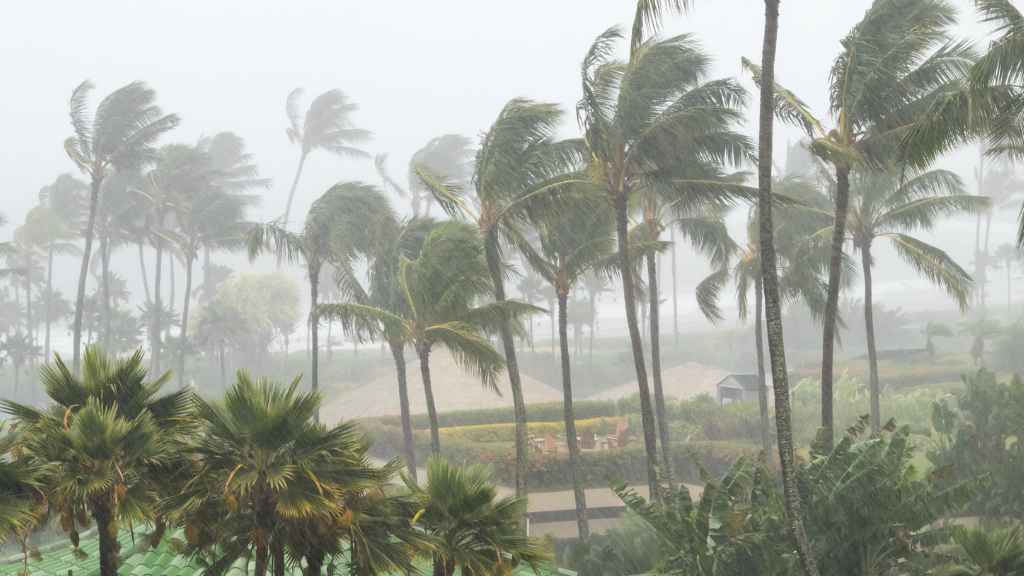
Sri Lanka Cyclone Ditwah damage has been estimated at US$4.1 billion, equivalent to nearly four percent of national output, underscoring the scale of destruction caused by the disaster and the economic strain on communities still recovering from recent financial shocks.
Sri Lanka Cyclone Ditwah damage equals 4 percent of GDP, World Bank finds
Sri Lanka Cyclone Ditwah damage has reached an estimated 4.1 billion US dollars in direct physical losses, according to a World Bank assessment, highlighting the severe impact of the storm on infrastructure, housing, agriculture, and livelihoods across the island. The damage represents around four percent of Sri Lanka’s gross domestic product, raising concerns about the country’s capacity to absorb another major shock as it emerges from a prolonged economic crisis.
The assessment found that all 25 districts in Sri Lanka were affected by extreme rainfall and flooding triggered by Cyclone Ditwah, with several regions suffering particularly heavy losses. Kandy District was identified as the hardest hit, recording damages of approximately 689 million dollars, largely due to widespread flooding and, to a lesser extent, landslides. Puttalam and Badulla followed, with estimated damages of 486 million dollars and 379 million dollars respectively. Together, these three districts accounted for nearly 40 percent of total district-level losses.
Infrastructure sustained the largest share of damage, with losses estimated at 1.735 billion dollars, or about 42 percent of the total. Roads, bridges, railways, and water supply networks were severely affected, disrupting transport links, access to markets, and the delivery of essential services. In central areas, landslides further complicated response and restoration efforts, delaying recovery and isolating vulnerable communities.
Residential buildings and household contents also suffered extensive damage, with losses estimated at 985 million dollars. The widespread impact on housing has raised urgent questions about land-use planning, flood control measures, and construction standards. The World Bank noted that rebuilding efforts must consider safer locations and resilient designs capable of withstanding high winds and flooding to reduce future disaster risks.
Agriculture emerged as another sector facing significant losses, with damages estimated at 814 million dollars. Paddy fields, vegetable crops, subsistence farming, maize production, livestock, and agricultural infrastructure were all affected. The destruction has heightened concerns about food security and rural incomes, particularly in communities that rely heavily on farming for survival. Damage to inland fishing further compounded these risks, threatening nutrition and livelihoods in already fragile areas.
Beyond physical damage, the assessment highlighted the deep social vulnerabilities exposed by the cyclone. Gevorg Sargsyan, World Bank Group Country Manager for Sri Lanka and the Maldives, said the disaster revealed how pre-existing conditions intensified the impact on certain populations. In districts such as Badulla, Kegalle, and Puttalam, many households were already living in poverty before the cyclone and have now suffered some of the highest housing losses.
In Kandy and Nuwara Eliya, demographic factors added another layer of vulnerability. The World Bank noted that around half of households in these districts are headed by women or older persons, groups that often face greater challenges in accessing resources and rebuilding after disasters. Thousands of women and girls have been displaced or remain in unsafe homes, underscoring the need for targeted recovery strategies that address protection, housing security, and access to services.
The timing of Cyclone Ditwah has further complicated recovery prospects. The disaster struck as Sri Lanka was still grappling with the social and economic consequences of a severe currency collapse in 2022, which followed earlier episodes of instability in 2015 and 2018. These crises pushed many households into poverty, leaving limited savings or coping capacity when the cyclone hit.
The World Bank conducted the assessment using its Global Rapid Post-Disaster Damage Estimation (GRADE) methodology, which enables a rapid, remote evaluation of disaster impacts within approximately two weeks of an event. The methodology focuses on estimating direct physical damage to buildings, infrastructure, and other assets, providing timely evidence to inform emergency response, recovery planning, and financing decisions.
While the current estimate focuses on direct physical damage, the World Bank cautioned that the total economic impact of Cyclone Ditwah is likely to be significantly higher once indirect losses and reconstruction costs are taken into account. Disruptions to production, lost incomes, and the long-term effects on human capital could extend the economic burden well beyond the immediate aftermath of the disaster.
Districts including Badulla, Nuwara Eliya, Kandy, Kegalle, and Puttalam face particularly complex recovery challenges, as high housing losses coincide with elevated levels of multidimensional poverty. Analysts warn that without sustained and inclusive recovery efforts, affected households in these areas may struggle to rebuild livelihoods and regain stability.
As Sri Lanka Cyclone Ditwah damage assessments inform policy decisions, experts stress the importance of linking reconstruction with resilience-building measures. Investments in flood control, climate-resilient infrastructure, and community-based recovery programmes are seen as critical to reducing future disaster risks and protecting the most vulnerable populations from repeated shocks.