

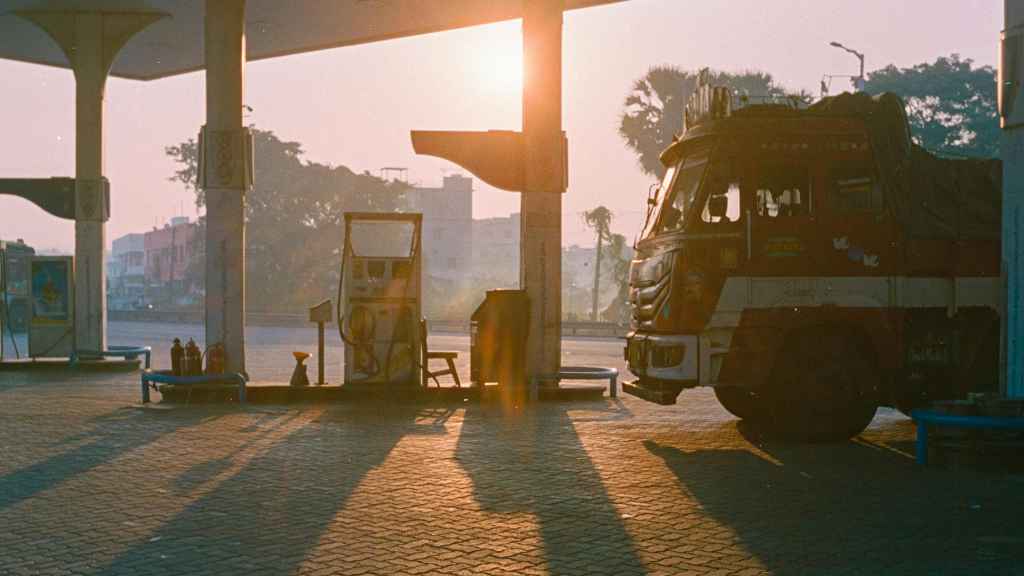
Sri Lanka diesel deal has been finalized as the Cabinet awards 1.4 million barrels of fuel to Singapore’s Trafigura. The agreement marks a significant step in securing long-term energy supplies for the country.
Cabinet approves Sri Lanka diesel deal with Singapore’s Trafigura for 1.4 million barrels
Sri Lanka’s Cabinet of Ministers has officially approved a major diesel procurement, awarding Singapore-based Trafigura Pte. Ltd. the contract to supply 1.4 million barrels of diesel in five shipments over seven months starting November 15. The contract, designed to support the state-run Ceylon Petroleum Corporation (CPC), represents a strategic effort to stabilize the country’s fuel supply amid fluctuating global energy markets.
The decision follows recommendations from the High-Level Standing Procurement Committee, which reviewed bids submitted by seven competing firms. The Cabinet’s approval reflects confidence in Trafigura’s capacity to deliver under long-term contractual obligations and adhere to stringent operational standards.
Minister of Power and Energy presented the proposal to the Cabinet, emphasizing that the diesel deal is essential to meet the island nation’s growing energy demands. According to government sources, the agreement ensures predictable delivery schedules and reinforces Sri Lanka’s energy security over the contract period, which spans late 2025 to mid-2026.
Trafigura, a global commodity trading company headquartered in Singapore, has extensive experience in international energy supply contracts. The company’s selection underscores Sri Lanka’s preference for suppliers with proven logistics capabilities and reliable delivery records. Government officials highlighted that the procurement process adhered strictly to national regulations, ensuring transparency and fairness throughout the bidding and evaluation stages.
The diesel supplied under this contract will be utilized primarily by the Ceylon Petroleum Corporation, which oversees fuel distribution across the island. Reliable diesel availability is critical for transportation, electricity generation, and industrial operations, making the timely delivery of these shipments a priority for both the government and private sector stakeholders.
By awarding the contract to Trafigura, Sri Lanka aims to mitigate potential supply disruptions caused by global price volatility, logistical challenges, and unforeseen geopolitical events that often impact fuel availability. Officials noted that the structured long-term agreement provides greater predictability compared with spot-market purchases, reducing operational risk for CPC and ensuring consistent service to consumers.
The Cabinet’s decision also reflects broader energy policy objectives, including securing multiple sourcing channels and enhancing resilience in the domestic fuel sector. Analysts say that maintaining stable diesel imports is vital for sustaining economic activity, particularly in sectors dependent on reliable energy inputs such as manufacturing, transport, and public services.
While the deal has been positively received by industry observers, government officials continue to emphasize adherence to procurement best practices and accountability standards. By leveraging competitive bidding and high-level oversight, authorities aim to balance cost-effectiveness with quality assurance, ensuring that public resources are managed efficiently.
Energy experts have noted that the diesel deal positions Sri Lanka to navigate potential short-term supply shocks while maintaining confidence among commercial operators and international investors. The predictability offered by this contract is expected to reduce disruptions to key services, strengthen operational planning, and support economic stability in the coming months.
Trafigura’s participation in the Sri Lanka diesel deal also highlights the country’s growing engagement with reputable global partners. The collaboration aligns with ongoing efforts to integrate Sri Lanka more deeply into international energy networks, which could have long-term benefits for trade, investment, and technological know-how in the energy sector.
As deliveries commence in mid-November, authorities plan to monitor the import schedule closely to ensure that all shipments arrive as contracted. The successful execution of this agreement could serve as a model for future procurements, reinforcing the government’s commitment to strategic, transparent, and efficient fuel management practices.
The finalized diesel deal represents more than a commercial contract—it is a vital component of Sri Lanka’s energy security strategy. By securing reliable supplies through Trafigura, the government demonstrates proactive planning to address domestic fuel needs, stabilize market prices, and support continuous industrial and transportation operations.
In conclusion, the Cabinet-approved Sri Lanka diesel deal signals a significant step toward ensuring sustainable fuel access. By combining competitive procurement, global partnerships, and long-term supply contracts, Sri Lanka positions itself to meet immediate energy requirements while laying the groundwork for future resilience in the sector.