

Sri Lanka economic growth is forecast to rise steadily over the next two years, according to the latest IMF assessment. The organization expects reforms to drive a durable and confidence-boosting recovery.
IMF outlook sees Sri Lanka economic growth stabilizing with reform-driven momentum
Sri Lanka is pushing ahead with one of its most important recovery phases in recent history, as the International Monetary Fund projects the country will return to a long-term growth path by 2026. The latest IMF outlook estimates a 3.1 percent expansion that reflects not just a rebound from crisis, but a shift toward a more sustainable and resilient economic environment.
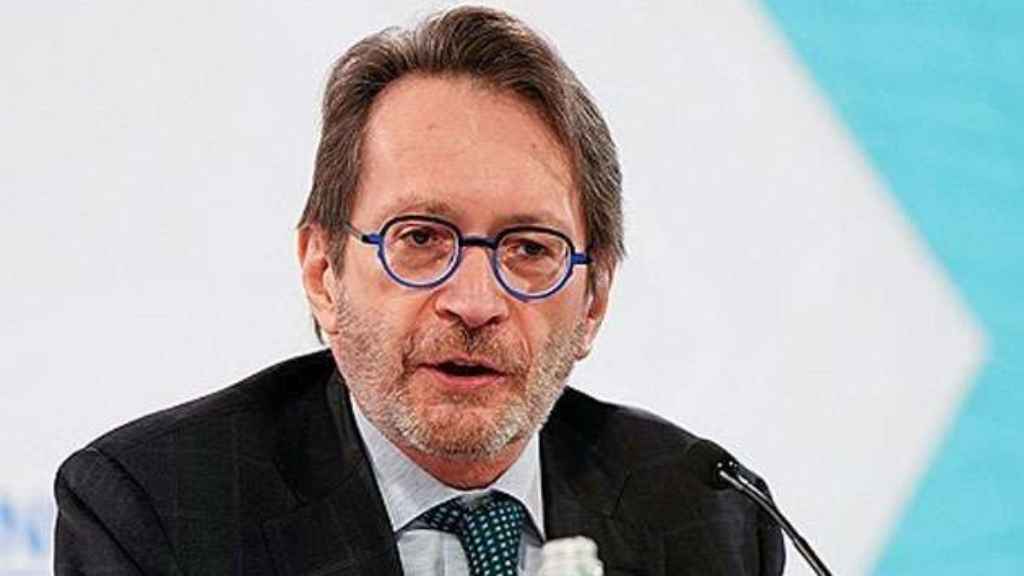
The projection arrives at a time when global investors, businesses, and citizens are closely tracking the country’s progress after years of instability. According to Thomas Helbling, Deputy Director of the IMF’s Asia and Pacific Department, Sri Lanka’s economic performance has exceeded expectations throughout 2024 and the first half of 2025. Speaking at a press briefing on regional economic conditions, he highlighted that the reform program currently underway with IMF support has delivered tangible, measurable gains. Economic growth reached 5 percent last year and continued at 4.8 percent across the first six months of 2025, signaling an unmistakable shift in momentum.
Helbling noted that part of the sharp rebound came from the return of normal business operations after a period of severe contraction. Supply chains resumed, fuel queues vanished, and sectors such as tourism, apparel, and construction regained essential continuity. The other part of the growth story is tied to deeper reform-based improvements that have encouraged investors, stabilized the currency, and restored confidence in financial markets.
Although the country remains in recovery mode, the IMF sees the trend line flattening into a stable upward trajectory by 2026. A 3.1 percent growth rate may appear modest compared to the rapid surge seen recently, yet it represents a meaningful milestone. It indicates that Sri Lanka is no longer depending on short-lived boosts or crisis bounce-backs, but instead progressing with deliberate, long-term discipline.
The IMF’s projection underscores the importance of ongoing policy efforts. Revenue measures, governance enhancements, debt restructuring, and responsible fiscal management have all played crucial roles in re-establishing macroeconomic balance. These reforms aim to strengthen institutions and reduce vulnerabilities that once exposed the nation to extreme shocks.
Sri Lanka economic growth going forward depends heavily on how firmly these improvements are maintained. Analysts widely agree that reforms must continue beyond the IMF program to create fresh investment opportunities, inspire innovation, and build a more inclusive economic system. A stable environment encourages entrepreneurs to scale businesses, banks to increase lending, and foreign investors to view the country as a reliable partner.
Tourism, a sector that dramatically amplifies foreign income, is poised to be a major engine of recovery through 2026. Visitor arrivals have surged ahead of pre-crisis benchmarks, reflecting renewed international trust. Manufacturing exports are steadily rising as companies adjust to global market changes while benefiting from improved cost structures at home. Meanwhile, inflation has moderated from historic peaks, providing relief to consumers and boosting purchasing power.
Helbling emphasized that the progress so far is not guaranteed to continue without consistent focus. Risks remain, including high global interest rates, shifting trade dynamics, and the delicate balance of political transitions. Domestic productivity must advance to ensure wage growth keeps pace with living conditions and that social protections support those who struggled most during the downturn.
In the eyes of the IMF, however, the direction is right. Economic governance has improved. Critical reforms are moving from planning to execution. Growth is stabilizing after an initially explosive leap. The ability to sustain that positive movement will define Sri Lanka’s next decade.
The return to a long-term growth trend suggests something more significant than numbers on a chart. A functioning economy strengthens daily life. Households regain security. Businesses feel confident hiring and expanding. Foreign partners recognize the potential for shared success. Stability seeds optimism that can lift an entire nation forward.
If the government continues its reform-first approach and markets respond with investment and productivity, Sri Lanka can transform this phase of stabilization into a durable era of prosperity. The IMF’s projection for 2026 is more than a forecast; it is a benchmark that shows the recovery is real and moving in the right direction.