

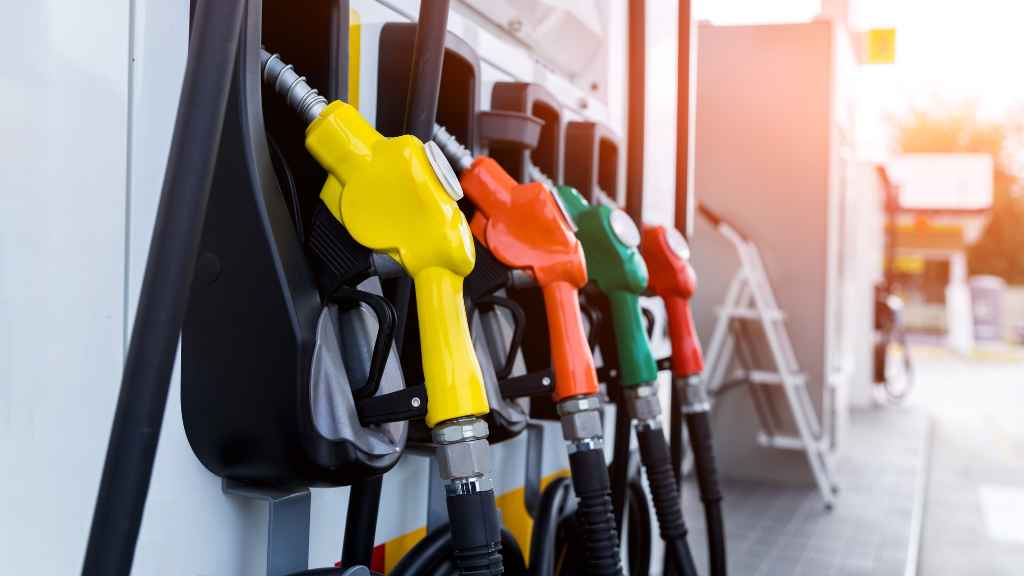
Sri Lanka fuel prices were marginally reduced after the Ceylon Petroleum Corporation announced cuts to diesel and petrol, reflecting easing global oil prices despite recent pressure on the rupee.
Sri Lanka fuel prices reduced despite weak rupee trend
Sri Lanka’s state-run Ceylon Petroleum Corporation (CPC) has reduced fuel prices by Rs. 2 per litre for two of the country’s most widely used products, citing falling global oil prices.
With effect from the latest price revision, the price of White Diesel has been lowered to Rs. 277 per litre, while Octane 92 petrol has been reduced to Rs. 292 per litre. The adjustment comes amid a softer trend in international crude prices toward the end of 2025, even as domestic currency pressures persist.
Global oil markets experienced a prolonged bearish phase in December 2025, with prices recording their lowest monthly averages since early 2021. Market conditions during the period were shaped by a substantial global supply surplus, which outweighed geopolitical risks and seasonal demand factors.
Analysts note that excess production and weaker-than-expected consumption in key economies contributed to the sustained downward pressure on prices. Despite ongoing geopolitical concerns in parts of the Middle East, supply fundamentals remained the dominant driver through year-end.
By late December 2025 and into early January 2026, oil prices showed modest upward movement as geopolitical tensions between the United States and Iran intensified. However, the broader structural surplus in global oil markets continued to limit any sharp rebound in prices.
In contrast to global price trends, Sri Lanka’s rupee remained under pressure during December, continuing a gradual depreciation against major currencies. Currency weakness typically raises the local cost of fuel imports, partially offsetting the benefit of lower international oil prices.
The CPC determines domestic fuel prices based on an automatic pricing formula designed to reflect global price movements, exchange rate fluctuations, and other cost factors. The formula was originally introduced to enhance transparency and encourage competition within the local fuel market.
However, despite the presence of multiple fuel retailers, pricing adjustments tend to move in tandem across the sector. Other licensed operators, including Lanka IOC and Sinopec, typically align their prices with revisions announced by the CPC, limiting price differentiation at the retail level.
The latest reduction, while modest, offers marginal relief to consumers and businesses at a time when fuel costs remain a key factor influencing transport expenses and inflation expectations. Fuel prices play a critical role in Sri Lanka’s cost structure, given the economy’s reliance on imported energy.
Market observers expect future fuel price movements to remain sensitive to both global oil market dynamics and domestic currency trends. With global supply conditions still relatively loose, further price stability may be possible, though sustained rupee weakness could constrain the scope for deeper reductions.