

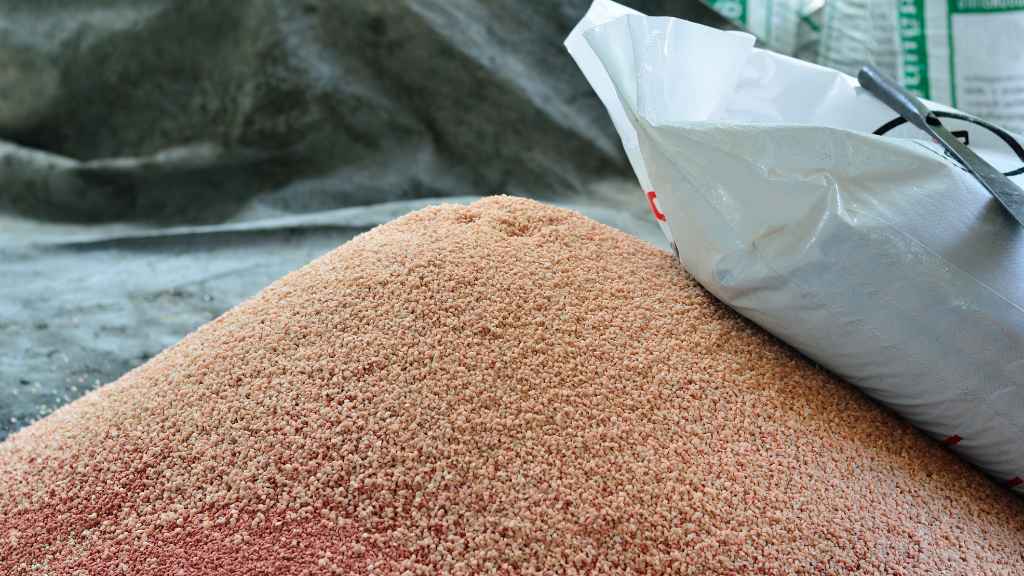
Sri Lanka phosphate value addition project entered a decisive phase after Cabinet approval to invite formal project proposals, signalling a policy shift toward higher value creation, private sector participation, and stronger domestic utilisation of strategic mineral resources.
Sri Lanka phosphate value addition project opens door to investors
Sri Lanka has taken a significant step toward strengthening its industrial base after Cabinet approval was granted to call for project proposals for a phosphate value addition initiative under a public-private partnership framework. The decision marks a move away from exporting or minimally processing raw materials toward generating higher economic returns through domestic processing.
The announcement was made by Cabinet Spokesman and Minister Nalinda Jayatissa, who confirmed that the government had authorised the next phase of the project following an earlier call for expressions of interest from potential investors. According to the Minister, 14 expressions of interest were received, indicating strong private sector appetite for participation in the proposed venture.
Following an evaluation of these initial submissions, qualified investors will now be invited to submit detailed project proposals. This step is intended to ensure that the selected partner or partners possess the technical capability, financial strength, and operational experience necessary to implement the project successfully.
At the centre of the initiative is Lanka Phosphate Company Ltd, a state-owned enterprise responsible for extracting rock phosphate from the Eppawala deposit, one of Sri Lanka’s most strategically important mineral resources. The deposit has long played a critical role in supporting the country’s fertilizer requirements, particularly for agriculture.
Historically, Lanka Phosphate has focused primarily on producing chemical fertilizer for domestic use. However, policymakers have increasingly recognised that greater value can be derived from the resource by expanding downstream processing. The Sri Lanka phosphate value addition project is designed to convert raw phosphate into higher-value products, reducing reliance on imports while improving export potential.
Officials have indicated that the public-private partnership structure is expected to bring in advanced technology, managerial expertise, and investment capital that may not be readily available within the public sector alone. By sharing risk and responsibility with private investors, the government aims to accelerate implementation while ensuring long-term operational sustainability.
The move aligns with broader national economic objectives focused on import substitution, export diversification, and improved efficiency in state-owned enterprises. Value addition within the fertilizer and mineral processing sector is also seen as a means of stabilising supply chains, particularly at a time when global commodity markets remain volatile.
The Cabinet decision underscores the government’s intent to adopt a more structured and competitive approach to strategic investments. Rather than direct negotiations, the invitation of project proposals allows for transparent evaluation and comparison, ensuring that the most suitable investor is selected based on clearly defined criteria.
Analysts note that successful implementation of the Sri Lanka phosphate value addition project could generate multiple economic benefits. These include improved productivity in agriculture through consistent fertilizer supply, reduced foreign exchange outflows, job creation in industrial processing, and potential export earnings from specialised phosphate-based products.
Environmental and regulatory considerations are also expected to form part of the evaluation process. Given the sensitive nature of mining and chemical processing, adherence to environmental standards and sustainable practices will be a key factor in project approval and long-term operation.
The government has previously stated that reforming and modernising state-owned enterprises is essential for economic resilience. Introducing private sector participation in selected ventures is viewed as a pragmatic approach to achieving this goal without relinquishing state oversight of critical national assets.
While timelines for the submission and evaluation of project proposals have not yet been disclosed, officials indicated that the process will move forward once the shortlisted investors are formally notified. The expectation is that a final selection will pave the way for detailed feasibility studies and implementation planning.
As Sri Lanka continues to recalibrate its economic strategy, initiatives such as the Sri Lanka phosphate value addition project reflect a growing emphasis on leveraging domestic resources more effectively. If executed as planned, the project could serve as a model for future public-private collaborations in resource-based industries, reinforcing value creation within the national economy.