

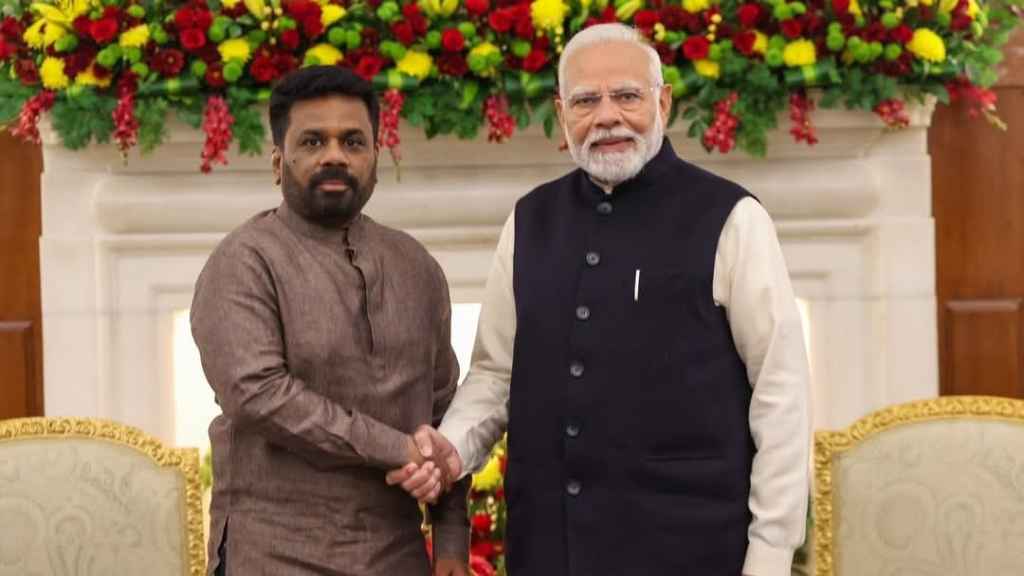
Sri Lanka President AI Summit visit has been confirmed for next week, as President Anura Kumara Dissanayake travels to New Delhi for a major global technology forum. The invitation from India signals deepening regional engagement on artificial intelligence and digital cooperation.
Sri Lanka President AI Summit visit to New Delhi highlights regional tech diplomacy
Sri Lanka President AI Summit visit marks a significant diplomatic and technological milestone, with President Anura Kumara Dissanayake scheduled to attend the India–AI Impact Summit 2026 in New Delhi from February 16 to 20. The invitation was extended by Indian Prime Minister Narendra Modi, underscoring the importance India places on Sri Lanka’s participation in shaping global conversations around artificial intelligence.
The summit, organized under the banner of “India–AI Impact Summit 2026,” will convene global leaders, policymakers, innovators, and subject-matter experts to deliberate on the evolving role of artificial intelligence in economic growth, governance, and sustainability. According to the Indian High Commission in Colombo, the forum will be anchored in three guiding principles—People, Planet, and Progress—described as India’s strategic framework for international cooperation on AI.
The Sri Lanka President AI Summit visit comes at a time when artificial intelligence is rapidly reshaping global economies. From digital governance tools to predictive analytics in healthcare and agriculture, AI has become central to development planning. For Sri Lanka, participation in such a high-level summit signals an intent to remain engaged in emerging technological ecosystems while strengthening bilateral ties with India.
President Dissanayake will be among approximately 20 global leaders invited by Prime Minister Modi. Notably, Sri Lanka is one of only two South Asian nations included in the summit lineup, despite India’s longstanding “Neighbourhood First” foreign policy approach. This selective invitation highlights Colombo’s strategic relevance within the region’s evolving digital and geopolitical landscape.
The guest list reflects broad international representation, including leaders from Bhutan, Brazil, France, Finland, Greece, Kazakhstan, Mauritius, Spain, Switzerland, Netherlands, and the United Arab Emirates, among others. The diversity of participants underscores the summit’s ambition to foster cross-continental collaboration on AI governance standards, ethical frameworks, and innovation pathways.
India has positioned itself as a major player in the global AI landscape, combining its vast digital public infrastructure with a growing startup ecosystem. By hosting the summit in New Delhi, the Indian government aims to consolidate its leadership role in shaping inclusive and responsible AI adoption. The “People, Planet, Progress” framework reflects a dual focus on economic advancement and sustainability, aligning technological innovation with environmental and social priorities.
For Sri Lanka, the visit offers both diplomatic and practical implications. On the diplomatic front, high-level engagement strengthens bilateral cooperation across sectors, including trade, infrastructure, and digital services. On the technological front, exposure to global AI policy discussions may inform domestic regulatory frameworks, data governance strategies, and innovation ecosystems.
Sri Lanka has been exploring digital transformation initiatives across public administration and private enterprise. Participation in the summit could open avenues for partnerships in AI-driven solutions, capacity building, and investment flows. As the global economy increasingly integrates AI into core processes, countries that actively engage in shaping norms and standards stand to benefit from enhanced competitiveness and resilience.
The Sri Lanka President AI Summit visit also reflects a broader trend of smaller economies seeking strategic positioning in emerging technology arenas. Rather than remaining passive adopters, nations like Sri Lanka are recognizing the value of contributing to international dialogue on ethical AI, cybersecurity safeguards, and equitable access to digital infrastructure.
Geopolitically, the visit reinforces Sri Lanka’s balanced engagement strategy. By participating in a high-profile Indian initiative, Colombo signals continued cooperation with a key regional partner while maintaining its broader global outreach. In a period marked by rapid technological transformation and shifting economic alignments, such diplomatic gestures carry both symbolic and substantive weight.
As the summit approaches, attention will turn to the outcomes of the deliberations and any bilateral discussions held on the sidelines. Whether through memoranda of understanding, joint research initiatives, or investment announcements, the tangible results of the engagement will determine its long-term impact.
The Sri Lanka President AI Summit visit therefore represents more than a ceremonial appearance. It situates Sri Lanka within a dynamic global conversation on artificial intelligence, technological governance, and sustainable progress—issues likely to define economic and diplomatic agendas for years to come.