

The Sri Lanka SEC has announced an ambitious capital market reform plan aimed at transforming the Colombo Stock Exchange and driving financial innovation. The move signals a new era for the nation’s capital market development.
Sri Lanka SEC reveals strategic capital market reform plan, including CSE demutualisation
The Securities and Exchange Commission of Sri Lanka (SEC) has officially unveiled a sweeping capital market reform plan designed to modernize and expand the country’s financial ecosystem. The strategic 12-step agenda places a strong focus on the demutualisation of the Colombo Stock Exchange (CSE), positioning Sri Lanka’s capital markets for stronger growth and greater investor participation over the coming decade.
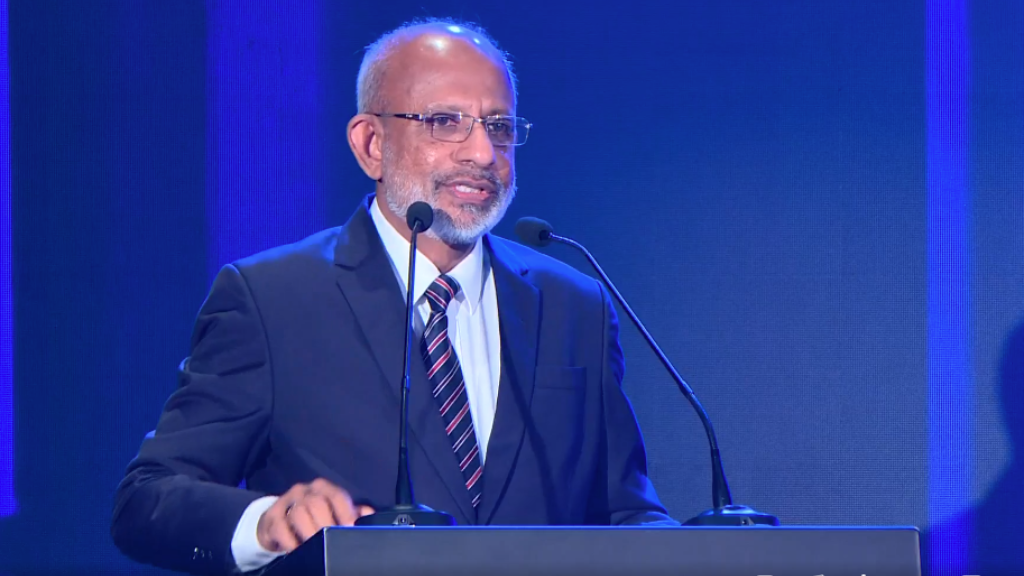
Speaking at the launch, SEC Chairman Hareendra Dissabandara said the reform framework comprises twelve meaningful initiatives. These include the demutualisation of the CSE, expansion of the corporate debt and collective investment schemes industry, the introduction of new financial instruments, and the establishment of a multi-asset class derivatives exchange. He described this as a crucial step toward building a more inclusive and vibrant capital market.
“We must have a vibrant capital market for the next generation,” Dissabandara stated, emphasizing the SEC’s vision for innovation and modernization. “Not just shares and bonds — we should be able to deal with digital assets. People are more into cryptocurrency now, so we must facilitate that area.”
The SEC’s long-term strategy is anchored in twelve key regulatory and developmental priorities. These are designed to achieve three main outcomes: fostering continuous innovation to ensure the market remains relevant and responsive, enhancing infrastructure and services to boost efficiency and accessibility, and creating a diversified ecosystem that strengthens competitiveness and resilience.
A central pillar of the capital market reform plan is the demutualisation of the Colombo Stock Exchange. This structural transformation aims to separate ownership and management of the exchange, paving the way for stronger governance, better investor protection, and more transparent operations. Many emerging and advanced markets have adopted similar models to boost liquidity and attract foreign investment.
Another major priority is to expand the corporate debt market and collective investment schemes. By introducing new financial instruments, the SEC hopes to deepen market participation, offering investors a broader range of products beyond traditional equity and bonds. This shift aligns with global financial trends and positions Sri Lanka to better integrate with international capital markets.
Dissabandara also stressed the importance of embracing digital innovation. With cryptocurrency and digital assets gaining traction globally, the SEC aims to ensure Sri Lanka remains competitive and well-regulated in this evolving financial landscape. “People are more into crypto now, and we must facilitate that area,” he noted.
The SEC’s strategy further focuses on addressing critical market gaps, particularly low participation. According to Dissabandara, less than 1% of the population is currently engaged in capital markets. “Of 22 million people, there are only varying numbers between 9,000 to 60,000 active participants in the market,” he revealed. Enhancing financial literacy and building trust among retail investors will be key to reversing this trend.
To support this transformation, the SEC plans to implement educational initiatives and strengthen infrastructure to make the capital market more accessible and reliable. A vibrant capital market, experts say, can play a pivotal role in driving economic growth, attracting foreign investment, and funding new industries and innovation.
Market analysts welcomed the capital market reform plan, noting that demutualisation and diversification could enhance transparency, improve governance standards, and stimulate stronger investor interest. If successfully implemented, the reforms are expected to boost liquidity, broaden product offerings, and help Sri Lanka position itself as a competitive financial hub in the region.
The SEC’s move comes at a time when the country is focusing on structural economic reforms and financial market modernization. With global markets evolving rapidly, creating a regulatory and operational framework that can accommodate both traditional and digital assets will be crucial for Sri Lanka’s long-term growth.
As Sri Lanka looks to the next decade, the capital market reform plan represents more than just policy change. It signals a broader strategic shift — one that seeks to create an inclusive, diversified, and forward-looking financial ecosystem capable of supporting the nation’s development goals.