

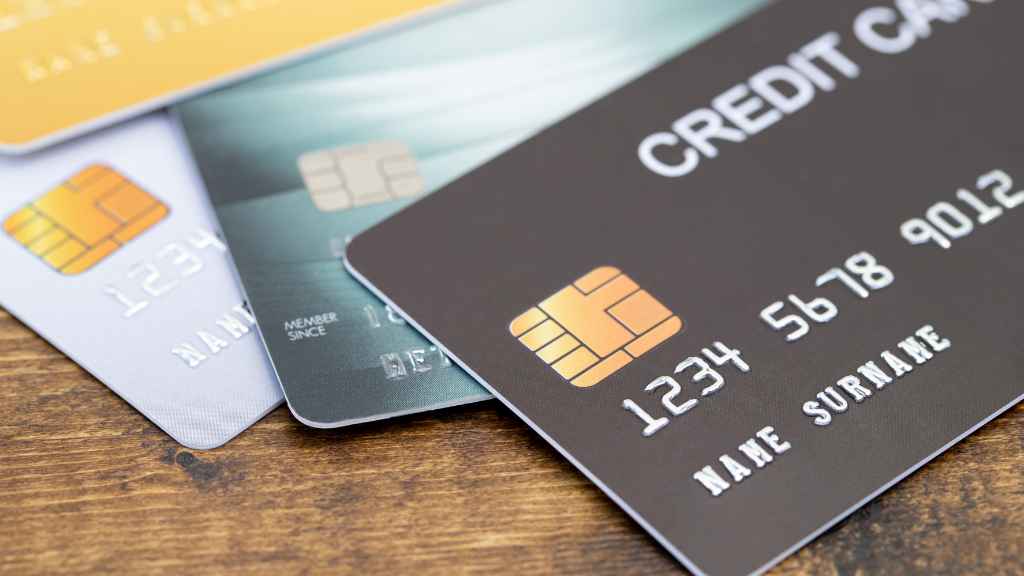
Sri Lanka sees 10,113 new active credit cards in January 2026, reflecting a steady rise in consumer confidence as lower interest rates and improving economic conditions continue to support spending activity across the island.
Sri Lanka sees 10,113 new active credit cards in January 2026 amid recovery
Central bank data showed that the total number of active credit cards rose to 2,176,299 by the end of January, up from 2,166,186 in December, marking a 0.5% month-on-month increase. The latest figures reinforce a broader trend of gradual recovery in Sri Lanka’s financial sector following the economic crisis that peaked in 2022.
The increase in credit card usage is closely tied to easing monetary conditions. Analysts note that falling interest rates have made credit facilities more attractive to consumers, encouraging both new sign-ups and increased usage among existing cardholders. Financial institutions have also intensified promotional campaigns, particularly through partnerships with supermarkets and retail vendors, further driving adoption.
This upward momentum builds on strong growth recorded over the past two years. Active credit cards expanded by 7.8% in 2025, adding 157,730 cards, while 2024 saw a 4.8% increase, equivalent to 91,371 new cards. The consistent rise highlights improving liquidity conditions and renewed consumer appetite for credit-based transactions.
The recovery marks a notable shift from the contraction observed in 2023, when active credit cards declined by 1.8%, or 39,991 cards. That downturn followed Sri Lanka’s sovereign default in 2022, which triggered a sharp tightening of monetary policy. The Central Bank responded with aggressive interest rate hikes in April 2022 to combat hyperinflation, significantly raising borrowing costs and dampening consumer spending.
During that period, high penalty interest rates on overdue credit card balances discouraged usage, prompting some customers to cancel their cards altogether. However, with the subsequent easing cycle, many of these users appear to be returning to the market, either by reactivating existing cards or applying for new ones.
Analysts point out that Sri Lanka’s economic recovery has been stronger than initially anticipated, supported by improved macroeconomic stability, declining inflation, and a more predictable policy environment. These conditions have restored a degree of financial confidence among households, enabling them to resume discretionary spending.
Inflation dynamics have played a key role in this transition. After peaking during the crisis, inflation slowed significantly, even turning into deflation by September 2024 before stabilizing and returning to positive territory in August last year. This shift followed a series of monetary policy adjustments, with the Central Bank cutting key policy rates eight times since June 2023.
Lower borrowing costs have reduced the financial burden on consumers, making credit cards a more viable tool for managing short-term expenses. At the same time, banks have leveraged the improving environment to expand their credit card portfolios, offering incentives such as cashback deals, installment payment options, and discounts on essential goods.
The Sri Lanka sees 10,113 new active credit cards in January 2026 milestone also underscores the evolving role of credit cards in the country’s payment ecosystem. As digital transactions gain traction, credit cards are increasingly being used not only for large purchases but also for everyday spending.
Industry observers suggest that the current trajectory could continue if macroeconomic conditions remain stable. However, they caution that sustained growth will depend on responsible lending practices and prudent consumer behavior, particularly in managing revolving credit.
Looking ahead, the outlook for credit card usage in Sri Lanka appears cautiously optimistic. Continued economic stabilization, coupled with supportive monetary policy, is likely to encourage further expansion in the sector. At the same time, financial institutions are expected to maintain competitive promotional strategies to capture a larger share of the market.
Overall, the latest data highlights a gradual normalization of financial activity, with credit cards serving as a key indicator of consumer sentiment. The steady increase in active cards signals that households are regaining confidence in the economy, even as the country continues its path toward long-term recovery.