

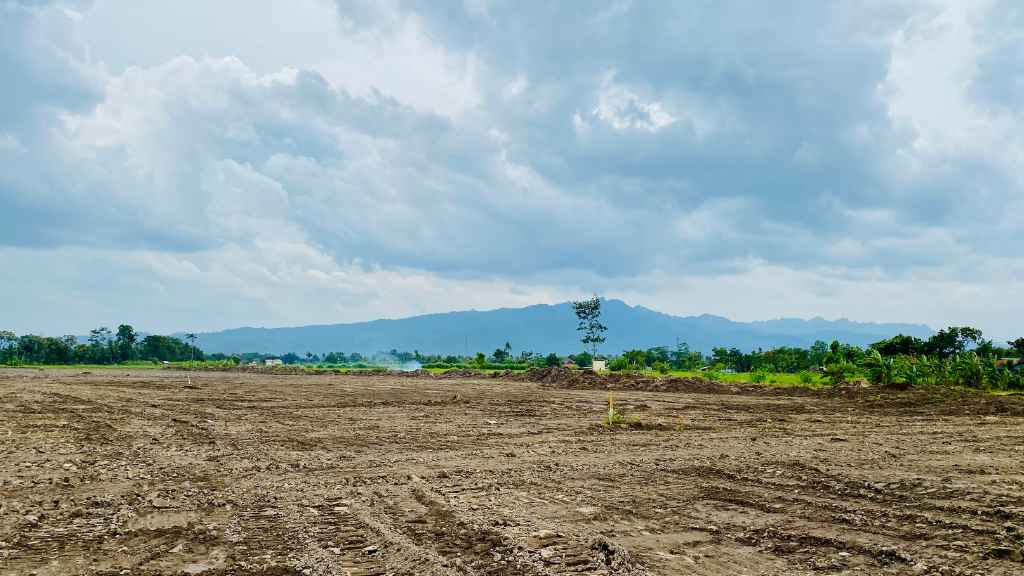
Sri Lanka to lease Kerawalapitiya land to MAS Consolidated subsidiary under a 30-year agreement approved by the Cabinet of Ministers. The project will establish a dedicated supply and storage warehouse facility, strengthening logistics infrastructure near Colombo’s industrial corridor.
Sri Lanka to lease Kerawalapitiya land to MAS Consolidated subsidiary for logistics hub
Cabinet approval formalizes the long-term lease of a 3-acre, 2-rood and 25.63-perch land parcel in Kerawalapitiya to MAS Freight Wave Terminal, a subsidiary of MAS Holdings operating under MAS Consolidated. The lease carries a total upfront value of 305.99 million rupees, payable in two installments, alongside an annual nominal ground rent of 90,000 rupees.
Minister Vijitha Herath confirmed the decision, noting that the entity was established in accordance with the regulatory framework of the Board of Investment of Sri Lanka to implement the proposed logistics project. Structuring the venture under BOI regulations provides fiscal clarity, investment protection assurances, and streamlined administrative processes—factors critical for capital-intensive warehousing and freight operations.
The strategic relevance of Kerawalapitiya lies in its proximity to Colombo’s port-linked infrastructure and key arterial road networks. Logistics economics depend heavily on minimizing last-mile transportation costs and optimizing supply chain throughput. By positioning a warehouse facility within this industrial belt, MAS Freight Wave Terminal can reduce cargo dwell time, consolidate freight operations, and enhance distribution efficiency across domestic and export markets.
The financial architecture of the lease reflects a hybrid public–private asset utilization model. A long-term 30-year tenure allows the investor to amortize capital expenditure over an extended horizon, improving project viability. Meanwhile, the State retains land ownership while generating structured revenue through upfront lease payments and recurring nominal rent. Although the annual ground rent is symbolic in scale, the principal economic value arises from the capital investment, employment generation, and downstream multiplier effects.
From a supply chain management perspective, centralized warehousing enables inventory optimization, demand forecasting integration, and improved cold-chain or specialized storage capabilities if required. MAS Holdings, primarily recognized as a leading apparel exporter, has increasingly integrated logistics capabilities to streamline vertical operations. Expanding freight and storage capacity enhances resilience against external shocks, including shipping delays, port congestion, and global demand fluctuations.
Sri Lanka to lease Kerawalapitiya land to MAS Consolidated subsidiary also signals policy continuity in encouraging private-sector-led infrastructure expansion. Rather than direct state construction of warehousing assets, the government leverages land as a strategic input while private capital finances and operates the facility. This reduces fiscal burden while accelerating asset deployment.
The scale of 3 acres and over 2 roods provides sufficient footprint for a mid-sized warehouse complex, potentially incorporating container yards, loading bays, inventory management systems, and administrative facilities. If designed with modern automation and digital tracking systems, the facility could improve cargo traceability and operational transparency—an increasingly important factor for export-oriented industries facing compliance scrutiny from global buyers.
Regulatory alignment under BOI oversight implies that the project may qualify for investment incentives tied to export facilitation and logistics enhancement. Such frameworks typically include tax concessions, customs facilitation, and expedited approvals, all aimed at strengthening Sri Lanka’s competitiveness as a regional supply chain node.
Economically, logistics infrastructure exerts indirect yet powerful effects on trade performance. Efficient warehousing reduces working capital requirements, shortens order fulfillment cycles, and enhances responsiveness to buyer demand. For an export-driven conglomerate like MAS, integrating freight wave operations can compress production-to-shipment timelines, thereby improving customer retention and margin stability.
However, the long-term success of the project will depend on macroeconomic stability, port efficiency, and transport connectivity upgrades. Land leasing alone does not guarantee productivity gains; complementary investments in road access, customs digitization, and port throughput capacity are equally essential. If these ecosystem elements align, the Kerawalapitiya facility could evolve into a logistics anchor within Colombo’s industrial zone.
Sri Lanka to lease Kerawalapitiya land to MAS Consolidated subsidiary illustrates a calibrated industrial policy approach: targeted land allocation, private capital mobilization, and regulatory facilitation. The 30-year horizon signals confidence in sustained trade flows and industrial activity, even amid global supply chain realignments.
In the broader context of economic restructuring, logistics modernization supports export diversification and value-chain integration. As Sri Lanka seeks to strengthen foreign exchange earnings and stabilize its external sector, efficient storage and freight systems become foundational enablers rather than peripheral assets.
The Cabinet’s approval therefore represents more than a routine land transaction. It reflects a strategic alignment between state-owned land resources and private-sector operational capability, potentially reinforcing Sri Lanka’s logistics backbone while supporting one of its leading export conglomerates.