

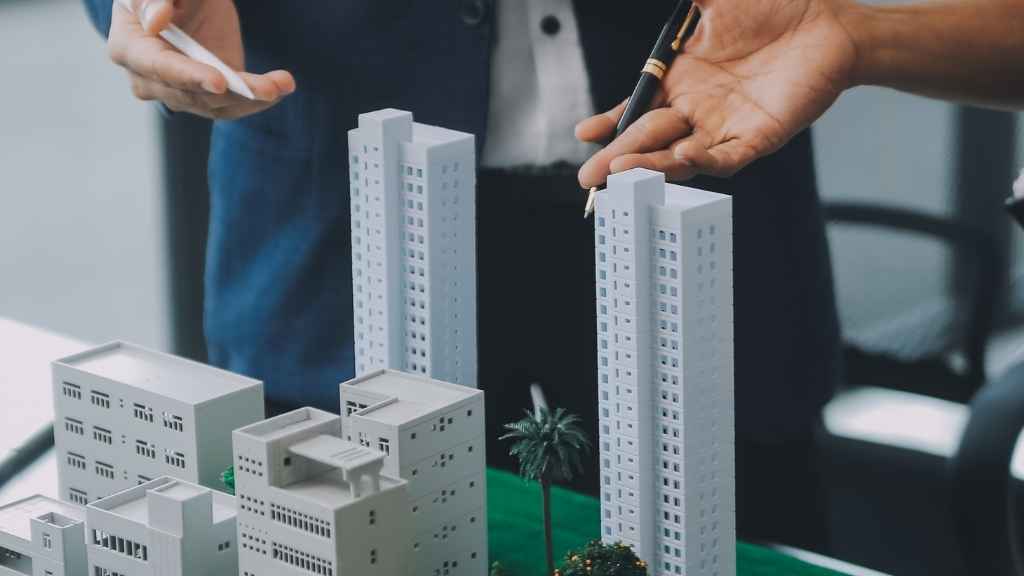
Krrish Tower in Colombo is set to resume construction as authorities push to revive stalled high-rise projects across Sri Lanka. The initiative aims to transform incomplete structures into functional developments, addressing urban blight and enhancing city infrastructure.
Sri Lanka’s Krrish Tower revival set to resume, addressing stalled urban developments
Sri Lanka is moving forward with plans to restart Krrish Tower, a stalled high-rise in the capital, alongside six other unfinished real estate projects, according to officials from the Ministry of Housing, Construction, and Water Supply. The initiative is part of a broader effort to address the growing number of incomplete urban developments that have become eyesores across major cities.
The Krrish Tower project, initially initiated by an Indian group, has been embroiled in litigation and is under criminal investigation for alleged misappropriation of funds. Despite these challenges, the government is committed to reviving the construction under a framework of public-private partnerships, ensuring both accountability and effective completion.
Secretary to the Ministry, L.B. Kumudu Lal, confirmed that six stalled projects were already restarted last year, and the remaining five—including Krrish Tower—will commence once valuations are finalised. “We have cabinet approval, and once the valuation is complete, we can begin work on the rest as public-private partnerships,” Kumudu Lal said. The ministry emphasises that thorough due diligence will be undertaken to prevent past irregularities from recurring.
Among the other stalled developments set to resume is the Destiny Mall & Residency project in Slave Island, which involves Pakistani investment. These high-profile projects, linked to the Urban Development Authority, have been stalled for years, contributing to urban blight and lost economic opportunities in Colombo and surrounding areas.
Urban planners and housing experts argue that reviving these stalled projects is critical not only for restoring the cityscape but also for addressing housing shortages and stimulating local economic activity. With real estate prices rising and urban demand growing, completing these projects can attract investment, create jobs, and enhance the city’s appeal to both residents and tourists.
The Krrish Tower revival is particularly symbolic. Once completed, it will stand as a marker of Colombo’s resilience in overcoming challenges in urban planning, governance, and real estate development. Authorities are keen to ensure that the project’s completion adheres to international standards, with strict monitoring and reporting mechanisms to prevent irregularities similar to past issues.
However, the projects do face logistical and financial hurdles. Accurately assessing the value of stalled developments is a major challenge, particularly when construction has been paused for extended periods. Fluctuations in construction costs, regulatory compliance requirements, and existing legal claims all complicate the process. Officials have stated that finalising valuations is a priority to unlock funding and begin reconstruction in earnest.
Public-private partnerships are expected to play a key role in these revivals. By leveraging private sector expertise and investment, the government aims to accelerate construction timelines while ensuring transparency and accountability. These partnerships are also expected to introduce modern construction practices and improve the overall quality and sustainability of the developments.
The initiative aligns with broader urban renewal strategies in Sri Lanka, which aim to revitalise underutilised spaces, reduce visual pollution from abandoned projects, and increase access to modern housing and commercial facilities. Successfully completing Krrish Tower and other stalled projects could serve as a blueprint for addressing similar challenges nationwide.
Authorities emphasise that community engagement and stakeholder participation will be integral to the success of these projects. Local residents, investors, and civil society groups will be consulted to ensure that redevelopment plans meet public expectations while supporting urban growth and economic development.
In summary, the restart of Krrish Tower and other stalled developments represents a strategic effort by the Sri Lankan government to address long-standing urban and housing challenges. Through structured public-private collaborations, meticulous planning, and transparent execution, these projects aim to transform Colombo’s skyline and provide renewed economic and social benefits to the capital.