

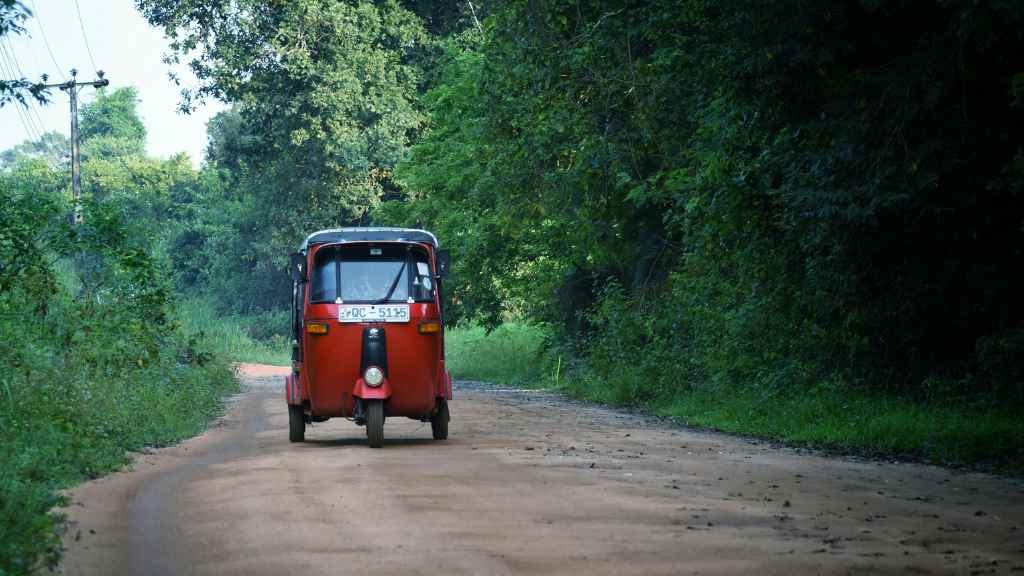
Sri Lanka tuk-tuk gangs have come under renewed scrutiny after authorities pledged equal enforcement of the law amid rising violence and intimidation against ride-hailing drivers, raising concerns over fair competition and the country’s reputation as a safe tourism destination.
Sri Lanka tuk-tuk gangs challenge fair competition and tourism image
Sri Lanka’s government has pledged equal treatment under the law as concerns mount over organised intimidation by tuk-tuk gangs targeting drivers affiliated with ride-hailing platforms such as PickMe and Uber. The issue, which has escalated in several tourist hotspots, has prompted warnings that unchecked violence and collusive pricing could undermine both the rule of law and Sri Lanka’s carefully rebuilt tourism brand.
Information and Media Minister Nalinda Jayatissa said authorities would not tolerate the use of force or intimidation to suppress competition, stressing that economic rivalry must operate within legal boundaries. He acknowledged that violence and threats allegedly used by organised groups of three-wheeler drivers against those charging lower fares were unacceptable and confirmed that police had begun taking action.
The problem has been most visible in popular tourist destinations, where some regional tuk-tuk associations have sought to prevent drivers working through ride-hailing apps from operating freely. These drivers, many of whom charge lower, transparent fares to both locals and foreign visitors, have reportedly been threatened, assaulted, or driven out of certain areas. Such incidents have sparked public criticism, particularly on social media, where victims allege selective law enforcement and complicity by individual officers.
PickMe, one of Sri Lanka’s largest ride-hailing platforms, has publicly raised concerns that complaints lodged with police have not always resulted in swift or consistent enforcement. While the minister indicated that at least one or two arrests had been made, critics argue that sporadic action has failed to deter organised intimidation. Allegations have also surfaced that some officers may have conflicts of interest, as they or their families own three-wheelers operating outside app-based systems.
At the centre of the dispute is pricing. Protectionist tuk-tuk associations in several regions have staged protests claiming a right to charge what they describe as “area-based” fares, which often exceed market-driven rates. Drivers operating via apps, even those from the same towns, have been pressured to abandon lower fares in favour of uniform, higher prices determined informally by local groups.
The practice of collusive pricing first gained prominence in the hill-country town of Ella, a major tourism hub, before spreading to other destinations. In some areas, drivers who attempted to charge between 85 and 90 rupees per kilometre after fuel prices fell were reportedly threatened and forced to raise fares to around 100 rupees per kilometre. For tourists, the disparity is far greater, with some being charged three to five times the standard rate.
One widely shared video appears to show a tuk-tuk gang advocate telling a police officer that his group charges 1,500 rupees for a short trip near a popular attraction, while app-based drivers charge only 550 rupees. The footage intensified public debate, as it highlighted the gap between regulated enforcement and market-based pricing.
The issue has revived memories of Sri Lanka’s earlier transport policies. The introduction of taxi meters once encouraged a shift from buses to three-wheelers by ensuring affordability and transparency. However, the economic crisis and sharp currency depreciation disrupted pricing structures, creating space for informal fare-setting and coordinated price announcements by associations through press conferences, effectively sidelining competition.
Against this backdrop, the government’s proposal to establish a dedicated three-wheeler regulator has drawn mixed reactions. Critics argue that additional regulation risks expanding an already bloated state apparatus and could entrench price controls rather than promote fair competition. Minister Jayatissa said he was not fully briefed on the status of the proposed regulator and would seek clarification from the transport ministry.
Analysts caution that Sri Lanka’s experience with regulators has often resulted in de facto price control agencies that erode quality and stifle innovation. They warn that imposed fare structures could unintentionally legitimise collusive pricing while driving out ride-hailing platforms that rely on efficiency, technology, and dynamic pricing to lower costs. App-based models reduce idle time, limit empty return journeys, and shift demand away from peak periods, delivering consumer benefits without subsidies.
The tactics used by tuk-tuk gangs have drawn comparisons to protectionist practices in other sectors, where lobbying and restrictions have limited competition. Just as import bans and duties have shielded domestic producers in industries such as ceramics and processed food, localised intimidation is now being used to block “outsider” drivers from other towns or districts.
In one viral clip from Ella, a police officer is heard telling a driver from a coastal area to operate his ride-hailing service elsewhere, implying that local vehicle owners should be protected because they carry finance leases. Critics argue that such reasoning undermines equal treatment before the law and sends a damaging signal to tourists and investors alike.
As Sri Lanka works to strengthen its post-crisis recovery, policymakers face growing pressure to ensure that competition is protected through enforcement rather than accommodation. For many observers, the handling of Sri Lanka tuk-tuk gangs has become a test case for whether the rule of law can prevail over informal power structures in a sector critical to tourism and daily mobility.