

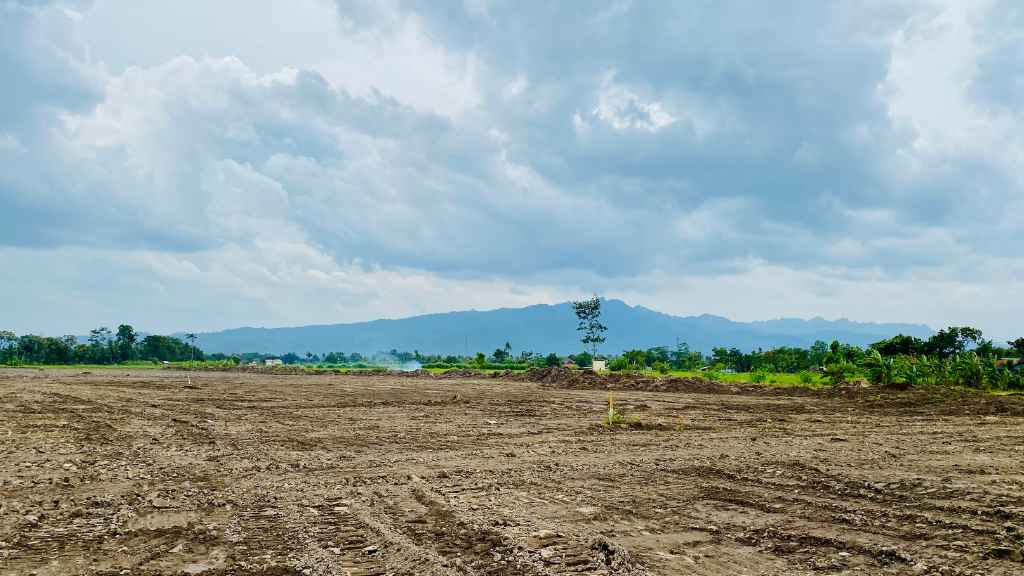
Urea restricted to paddy to preserve stocks as Sri Lankan authorities move to safeguard fertiliser availability during the 2026 Yala cultivation season, prioritising rice production amid global supply uncertainties linked to the Middle East crisis.
Urea restricted to paddy to preserve stocks amid Middle East crisis
The decision, announced by the Department of Agrarian Development, limits the distribution of unmixed urea fertiliser exclusively to paddy cultivation. Officials said the measure is intended to ensure that available stocks are utilised efficiently to support the country’s staple food production at a time of heightened external risk.
Under the directive, all urea fertiliser allocated for the Yala season will be distributed through Agrarian Service Centres, with strict controls in place to prevent diversion to other crops. The move reflects growing concern over potential disruptions to global fertiliser supply chains, as geopolitical tensions in the Middle East continue to influence energy and commodity markets.
Urea restricted to paddy to preserve stocks is being implemented alongside a structured allocation mechanism. Agrarian Development Officers across the country have been instructed to release fertiliser based strictly on the extent of land cultivated by individual farmers. This approach aims to align fertiliser distribution with actual cultivation needs, minimising waste and ensuring equitable access.
Authorities have indicated that fertiliser issuance will be guided by determinations made during seasonal cultivation meetings or through direct verification of paddy fields. The system will rely on existing farmer data records to validate land use and ensure that allocations correspond accurately to cultivated acreage. This data-driven approach is expected to improve transparency and accountability in fertiliser distribution.
The policy comes at a time when Sri Lanka’s agricultural sector remains highly sensitive to input availability and price fluctuations. Urea, a key nitrogen-based fertiliser, plays a critical role in boosting paddy yields, making its availability essential for maintaining domestic rice production. Any disruption to supply could have significant implications for food security and rural livelihoods.
By prioritising paddy cultivation, policymakers are seeking to stabilise the production of rice, which remains the country’s primary staple. Ensuring adequate fertiliser for paddy fields is seen as a strategic necessity, particularly as Sri Lanka continues to recover from previous agricultural disruptions and economic challenges.
Urea restricted to paddy to preserve stocks also reflects broader efforts to manage limited resources amid uncertain global conditions. The Middle East crisis has contributed to volatility in energy markets, which in turn affects fertiliser production costs and availability worldwide. As fertiliser manufacturing is heavily dependent on natural gas, any sustained increase in energy prices can lead to supply constraints and higher import costs.
Officials have emphasised the importance of efficient stock management to avoid shortages during the cultivation season. Agrarian officers have been directed to carefully monitor existing inventories and ensure that distribution is carried out in a timely and controlled manner. The goal is to prevent both under-supply and overuse, which could undermine agricultural productivity.
Farmers, meanwhile, are being encouraged to adhere to recommended fertiliser application practices to maximise efficiency. By using urea judiciously and in accordance with agronomic guidelines, cultivators can achieve optimal yields while conserving limited resources. Extension services are expected to play a key role in guiding farmers on best practices during the Yala season.
The restriction may have implications for other crop sectors, which will need to rely on alternative fertiliser sources or adjust cultivation plans accordingly. However, authorities maintain that the prioritisation of paddy is necessary to safeguard national food security in the current environment.
Urea restricted to paddy to preserve stocks underscores the government’s focus on ensuring continuity in rice production despite external challenges. The measure is part of a broader strategy to strengthen resilience in the agricultural sector, balancing immediate needs with long-term sustainability.
Looking ahead, the effectiveness of the policy will depend on close coordination between government agencies, agrarian officers, and farmers. Timely distribution, accurate data management, and adherence to guidelines will be critical in ensuring that the Yala cultivation season proceeds without disruption.
As global uncertainties persist, Sri Lanka’s approach to fertiliser management highlights the importance of proactive planning and resource prioritisation. By directing limited inputs toward essential crops, authorities aim to mitigate risks and support stable agricultural output in the months ahead.