

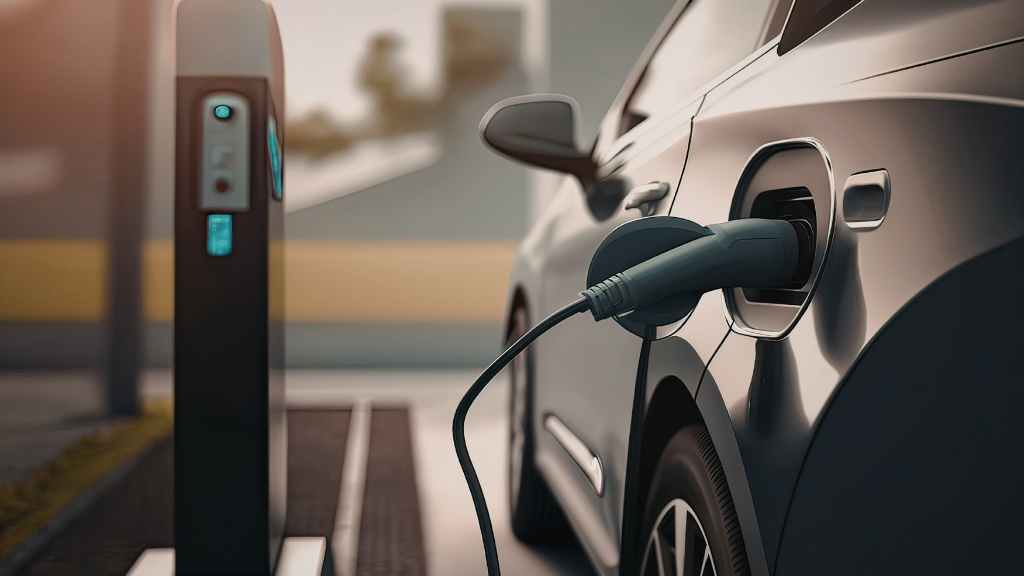
Sri Lanka’s electric cars running on coal and diesel!? has emerged as a growing concern as policymakers reassess the environmental and economic implications of the country’s rapid shift towards electric mobility.
Sri Lanka’s electric cars running on coal and diesel!? amid energy crisis concerns
In a recent address to the nation, Anura Kumara Dissanayake highlighted a critical contradiction at the heart of Sri Lanka’s electric vehicle (EV) push: while EVs are promoted as environmentally friendly, the electricity powering them is largely generated from fossil fuels, including coal and diesel. This dynamic, he warned, is placing increasing strain on the national grid at a time of heightened energy insecurity.
Since the lifting of the vehicle import ban in February 2025, Sri Lanka has witnessed a sharp surge in EV adoption. Official figures indicate that nearly 10,000 electric cars have been registered within a year, accounting for over 10 percent of total vehicle imports. In addition, 36,860 electric scooters and motorcycles and more than 49,000 hybrid vehicles have entered the market, further increasing demand for electricity.
The Sri Lanka’s electric cars running on coal and diesel!? issue is most evident during peak hours. Authorities have reported a 300-megawatt spike in electricity demand between 6 p.m. and 10 p.m., largely attributed to EV charging. To meet this surge, the country is compelled to operate coal-fired power plants and diesel generators at full capacity, undermining the environmental benefits typically associated with electric mobility.
This reliance on fossil fuel-based electricity generation reflects a structural gap in Sri Lanka’s energy transition. While renewable energy capacity—particularly solar—has expanded in recent years, the absence of large-scale battery storage systems limits the ability to utilise excess daytime generation during peak evening hours. As a result, the grid defaults to thermal power sources to maintain supply stability.
The government has indicated that reforms are underway to address this imbalance. Plans are being developed to introduce time-based tariffs for EV charging, incentivising users to charge vehicles during daylight hours when solar generation is abundant. Additionally, authorities are considering allowing private sector participation in developing battery storage infrastructure, a move seen as essential for integrating renewable energy more effectively.
However, beyond environmental concerns, the Sri Lanka’s electric cars running on coal and diesel!? debate also raises significant economic questions. Electric vehicles are generally more expensive than conventional petrol or diesel-powered cars, resulting in higher outflows of foreign exchange for imports. At the same time, the tax structure heavily favours EVs, with substantially lower duties compared to internal combustion engine vehicles.
This has created a fiscal imbalance. While high taxes on petrol and diesel vehicles contribute significantly to government revenue, EV imports generate comparatively lower tax income. Moreover, ongoing fuel consumption provides a steady stream of revenue through taxes on petrol and diesel sales—Rs 118.67 per litre of petrol and Rs 97.92 per litre of diesel, according to recent data. In contrast, EV users rely on electricity, which is often subsidised, further reducing potential state earnings.
The cumulative effect is a shift in revenue dynamics, where traditional fuel users continue to support government finances, while EV adoption, despite its environmental promise, contributes less to fiscal stability. This is particularly relevant as Sri Lanka seeks to strengthen its public finances in the aftermath of economic challenges.
The Sri Lanka’s electric cars running on coal and diesel!? concern also extends to infrastructure readiness and safety. The rapid increase in EV numbers has outpaced the development of supporting systems, including emergency response capabilities. The Colombo Fire Brigade has reportedly requested specialised equipment from EV importers to manage potential vehicle fires, which differ significantly from conventional car fires.
Fire officials have noted that, unlike in some other countries where EV importers are required to provide safety tools such as master switches and specialised firefighting equipment, there has been limited response from local importers. This gap raises concerns about preparedness in the event of accidents involving electric vehicles.
Energy experts and policymakers are increasingly calling for a more integrated approach to EV adoption—one that aligns vehicle import policies with energy infrastructure development, fiscal considerations, and safety regulations. Without such coordination, the current trajectory risks creating unintended consequences that could offset the intended environmental and economic benefits.
Despite these challenges, electric vehicles remain a key component of global decarbonisation strategies. For Sri Lanka, the transition to cleaner transport will depend not only on increasing EV adoption but also on transforming the underlying energy mix to reduce dependence on fossil fuels.
As the country navigates an evolving energy landscape, the Sri Lanka’s electric cars running on coal and diesel!? debate underscores the importance of policy coherence. Balancing environmental objectives with economic realities and infrastructure capacity will be critical to ensuring that the shift to electric mobility delivers sustainable, long-term benefits.