

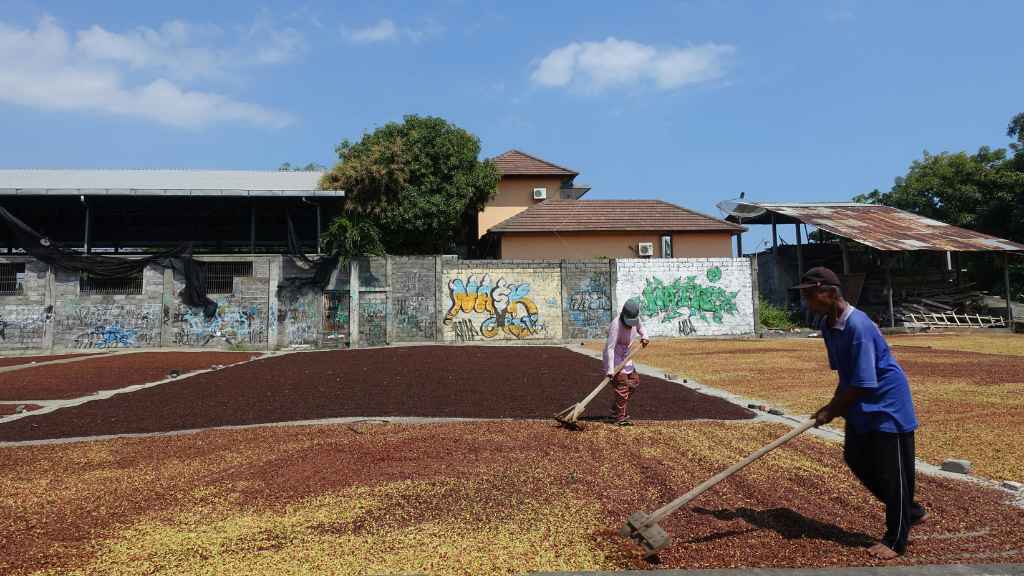
Organised cash crop theft hurting plantations has emerged as a growing concern for Sri Lanka’s plantation sector, with the Planters’ Association of Ceylon (PA) warning that escalating thefts are undermining investment, reducing export competitiveness and threatening the livelihoods of growers across the country.
Organised cash crop theft hurting plantations threatens exports and investment
The Planters’ Association of Ceylon has urged the Government to treat the systematic theft of high-value agricultural crops as a serious economic issue rather than isolated criminal incidents. According to the Association, organised thefts involving pepper, cinnamon, cardamom, ginger, vanilla, avocado and other valuable crops have reached levels that are discouraging investment and causing substantial financial losses for both Regional Plantation Companies (RPCs) and smallholder farmers.
Industry representatives say the damage extends well beyond the value of stolen produce. Companies are increasingly forced to allocate significant resources to security, reducing profitability and limiting their ability to expand cultivation or compete in international markets.
One Regional Plantation Company is reportedly spending around Rs. 20 million over a three-month period to safeguard a single crop. The Association noted that such recurring costs are not reflected in national measures of agricultural competitiveness but directly affect producers already facing competition from lower-cost exporters such as Vietnam, India and Kenya.
The Association estimates that sector-wide losses are likely to amount to millions of rupees, although it is currently collecting verified data from members to determine the full economic impact. It stressed that the financial burden includes not only stolen harvests but also lost investment opportunities, reduced production and lower tax revenue for the State.
According to industry reports, theft operations are becoming increasingly organised. Estate managers have observed that many incidents occur around the full moon, when natural light enables groups to harvest crops without attracting attention through artificial lighting. Well-coordinated teams can reportedly strip large sections of cinnamon plantations within a few hours or harvest substantial quantities of pepper before daybreak.
Once stolen produce enters informal trading channels, tracing its origin becomes extremely difficult, making recovery and prosecution challenging under existing systems.
The impact has been particularly evident in crops with strong agricultural exports potential. The Association said several growers who had begun investing in commercial pepper cultivation have abandoned expansion plans after experiencing repeated thefts. Similar challenges have affected cardamom cultivation, with one company reportedly discontinuing plans to expand an 18-hectare project after years of maintaining costly security measures.
The Planters’ Association of Ceylon argued that Sri Lanka’s ambition to increase agricultural exports cannot be achieved if growers continue to face unacceptable commercial risks. It warned that investor confidence is being eroded as businesses question the viability of cultivating high-value crops under current conditions.
Although agricultural theft is already a criminal offence under Sri Lankan law, the Association believes existing penalties fail to reflect the economic damage caused. It argued that fines are often significantly lower than the value of stolen crops, providing little deterrence for repeat offenders and encouraging organised criminal activity.
Technology has also proven insufficient as a standalone solution. Plantation companies have introduced surveillance cameras, biometric access controls, drones and fencing, but many of these measures have been undermined by power outages, challenging terrain or even theft of the security infrastructure itself.
The Association has therefore called on the Government to strengthen enforcement by revising penalties so they better reflect the value of stolen crops and create meaningful deterrents. It has also proposed introducing a national traceability framework for high-value produce to help authorities identify stolen goods after they enter informal supply chains.
In addition, the Association wants agricultural theft to be formally recognised within national agricultural policy, supported by dedicated enforcement resources and closer coordination between law enforcement agencies and industry stakeholders.
The PA is currently compiling verified information from both plantation companies and smallholder farmers to present to relevant Government ministries as part of its call for stronger policy action.
The Association maintains that Sri Lanka possesses the climate, expertise and natural resources needed to become a leading exporter of premium agricultural products. However, unless organised crop theft is addressed through stronger legislation, effective enforcement and improved traceability, the country’s efforts to expand agricultural exports and attract new investment into the plantation sector could face increasing obstacles.