

SLEIS 2026 will examine how Sri Lanka can strengthen its position within Asia’s expanding growth networks, with regional trade, investment, supply chains and economic corridors set to take centre stage at the upcoming summit.
SLEIS 2026 examines how Sri Lanka can strengthen trade, investment and regional value chains.
Organised by The Ceylon Chamber of Commerce, the Sri Lanka Economic and Investment Summit (SLEIS) 2026 will be held on 12–13 October under the theme ‘Positioning Sri Lanka in a Changing Global Economy: Resilience, Reform, and the Future of Economic Policy’.
One of the key sessions, titled ‘Linking Sri Lanka to Asia’s Growth Networks: Trade, Corridors, and Value Chains’, will explore how the country can deepen its integration with the wider Asian economy and build stronger connections with regional and global markets.
The session comes as Asia continues to account for a growing share of global economic activity, increasing the importance of regional connectivity, cross-border investment and participation in international production networks. For Sri Lanka, these developments present an opportunity to move beyond traditional export relationships and pursue a more integrated role in the region’s economic expansion.
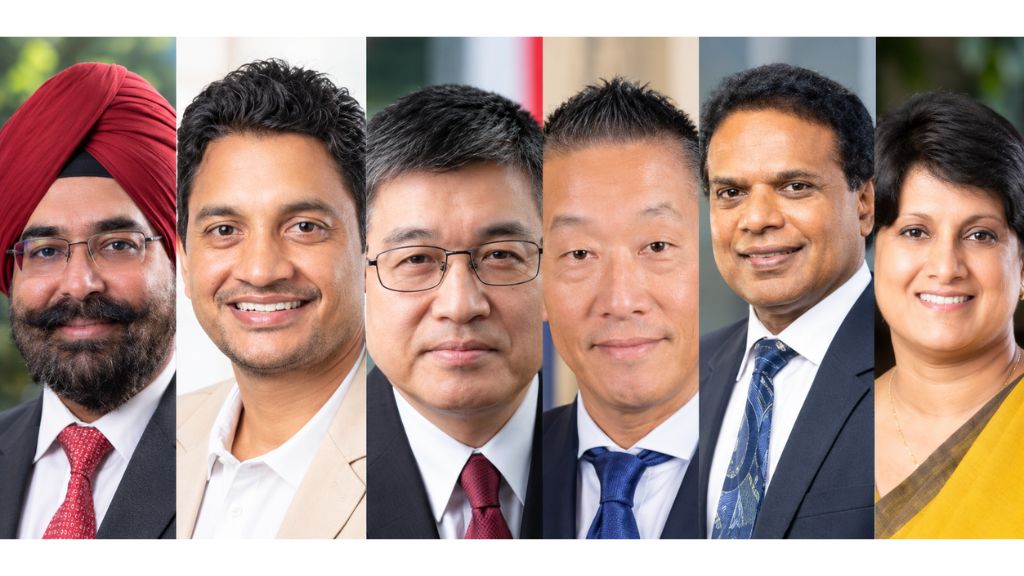
The keynote address will be delivered by P D Singh, Chief Executive Officer of India and South Asia at Standard Chartered Bank. His perspective is expected to provide insight into the changing investment and trade landscape across the region, as well as the factors influencing business decisions and capital flows.
The keynote will be followed by a panel discussion featuring Deputy Minister of Industry and Entrepreneurship Development Chathuranga Abeysinghe, Ambassador of Japan to Sri Lanka Akio Isomata, Toyota Lanka (Pvt) Ltd Chairperson Masaaki Kawabata and Maliban Biscuits (Pvt) Ltd Group Chief Executive Officer Ravi Jayawardena. The session will be moderated by Verité Research Research Director Subhashini Abeysinghe.
The discussion will focus on the practical steps Sri Lanka needs to take to strengthen its participation in regional supply chains and economic corridors. These include improving trade connectivity, attracting investment, enhancing the business environment and creating conditions that allow local companies to engage more effectively with regional and global value chains.
Stronger integration could create opportunities across several sectors, including logistics, manufacturing, export services and industries linked to international production networks. Improved connectivity and investment partnerships could also support the movement of goods, services, technology and capital, helping businesses access new markets and develop more competitive operations.
For Sri Lanka, the challenge is not simply to improve its geographic connectivity, but to convert that advantage into sustained economic activity. This requires policies and infrastructure that support efficient trade, predictable investment conditions and stronger links between domestic businesses and international companies.
The session will also draw on the experience of businesses and international institutions operating across Asia. Panel members will offer perspectives on how companies evaluate markets, establish supply chains and identify locations for investment. These insights are expected to help frame the opportunities and constraints Sri Lanka faces as it seeks to become a more competitive participant in regional economic networks.
As investment flows and supply chains are increasingly influenced by regional connectivity, the discussion will examine the partnerships and strategies needed to position Sri Lanka more effectively within Asia’s growth networks. This includes identifying areas where the country can build on existing strengths while developing new capabilities that support trade, innovation and investment.
The focus on regional value chains is particularly relevant as businesses seek more resilient and diversified production networks. Countries that can offer reliable infrastructure, skilled talent, efficient trade processes and a supportive regulatory environment are better placed to attract investment linked to regional manufacturing and services.
SLEIS 2026 will therefore provide a platform to consider how Sri Lanka can translate its strategic location and economic potential into stronger commercial relationships across Asia. The conversation is expected to connect policy priorities with the practical requirements of businesses and investors operating in an increasingly interconnected regional economy.
The session will take place on the second day of SLEIS 2026, reinforcing the summit’s broader objective of examining how Sri Lanka can respond to changes in the global economy through resilience, reform and forward-looking economic policy.