

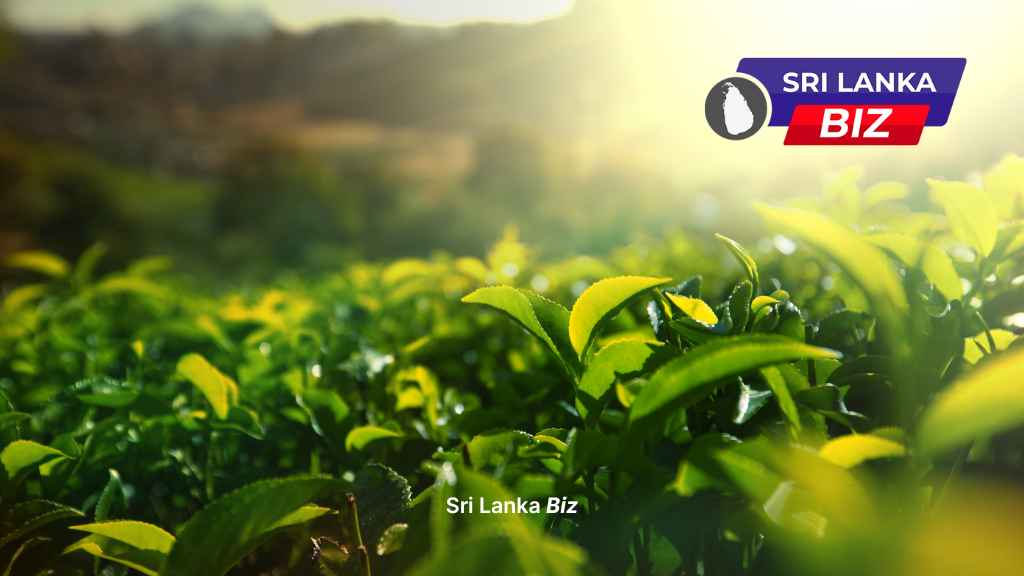
Ceylon Tea cold brew is emerging as a premium trend in 2026, redefining global consumption patterns. With its delicate floral notes and orthodox profiles, Sri Lanka is uniquely positioned to capitalize on the growing bubble tea and cold beverage markets.
Ceylon Tea cold brew adoption surges, positioning Sri Lanka as a premium tea leader
Sri Lanka’s Ceylon Tea cold brew is capturing international attention as the global beverage market increasingly embraces cold extraction techniques. Unlike traditional hot brews, cold brewing preserves the delicate aromatic and floral characteristics of orthodox Ceylon teas, creating a premium experience that mass-origin teas struggle to replicate.
Industry analysts, including Forbes and Walker Tea Brokers, highlight the rising demand for cold extraction beverages as a defining trend for 2026. The shift is being accelerated by the global expansion of bubble tea franchises, many of which now incorporate Ceylon Tea as a high-quality base ingredient. The tea’s natural richness and heritage appeal allow brands to differentiate their offerings in an increasingly competitive market.
For Sri Lanka, the opportunity comes at a pivotal time. As the country continues its recovery from Cyclone Ditwah in late 2025, which disrupted labor and infrastructure across High and Mid Grown tea regions, the industry has swiftly restored logistics and safeguarded quality. These efforts ensure that the Ceylon Tea supply chain remains resilient, reinforcing the tea’s role as both an economic stabilizer and a symbol of Sri Lanka’s global reputation.
The orthodox tea segment, in particular, is poised for growth amid a global supply shortage. Production data up to November 2025 indicate a worldwide deficit of approximately 45 million kilogrammes, driven largely by declines in African markets, as well as lower outputs in Bangladesh and Malawi. Sri Lanka, along with India, expects only marginal increases in overall production, placing its premium orthodox tea in a uniquely advantageous position.
Domestically, Sri Lanka’s 2025 crop, initially forecast at 280 million kilogrammes, is projected to reach 262–263 million kilogrammes, consistent with 2024 figures. Although this remains below the pre-2020 annual levels exceeding 300 million kilogrammes, industry experts argue that the next growth phase will focus on innovation, product premiumisation, and the reinvention of the traditional Ceylon Tea cuppa for modern consumers.
The strategic positioning of Ceylon Tea for cold extraction and bubble tea applications is also enhancing Sri Lanka’s export narrative. By leveraging the tea’s historic heritage and terroir-driven flavor profiles, exporters can command premium pricing and attract discerning international buyers seeking authentic, high-quality beverages. Marketing campaigns now emphasize the tea’s origin, quality, and sustainable cultivation practices, allowing global chains to distinguish their offerings from generic blends.
From January to March 2026, traders anticipate a buoyant period, coinciding with the traditional quality season of the Western Slopes. The combination of limited global supply, enhanced quality, and a surge in cold beverage innovation is expected to create a dynamic export environment, reinforcing Sri Lanka’s leadership in premium tea markets.
The embrace of Ceylon Tea cold brew represents not only a commercial opportunity but also a cultural export. By adapting traditional tea for modern tastes and global trends, Sri Lanka reinforces its reputation as a steward of high-quality tea while fostering innovation and sustainability within the sector.
As consumer preferences evolve, analysts note that continuous investment in research, quality assurance, and innovative brewing techniques will be essential to maintain a competitive edge. Cold extraction, bubble tea incorporation, and other premium applications are central to positioning Ceylon Tea as a versatile ingredient for diverse international markets.
Ultimately, Sri Lanka’s focus on premiumisation and innovation positions the nation to ride a new wave of global tea consumption, ensuring that the Ceylon Tea cold brew remains a defining product in 2026 and beyond.