

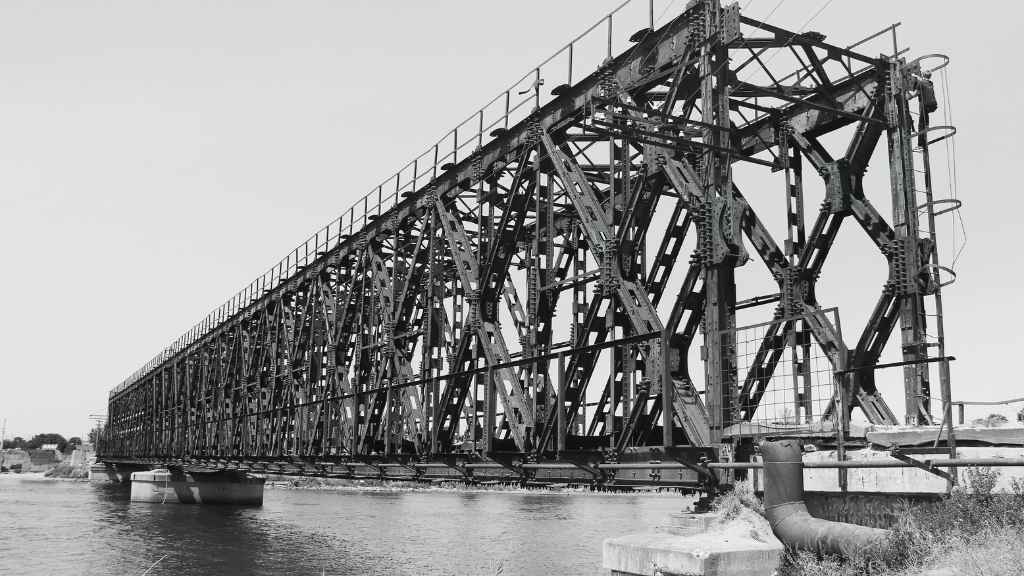
The Cyclone Ditwah bridge support effort gained momentum as India airlifted a full Bailey Bridge system to help Sri Lanka restore damaged transport links. The rapid deployment aims to strengthen mobility in areas cut off by landslides and flooding after the storm.
India accelerates Cyclone Ditwah bridge support to restore vital links in disaster-hit areas
Sri Lanka’s recovery from the devastating impact of Cyclone Ditwah reached a crucial turning point this week as India delivered a Bailey Bridge system to replace one of the many structures destroyed by the storm’s intense rainfall and widespread flooding. The assistance, which forms part of a broader regional cooperation effort, is expected to significantly improve access to isolated communities where road networks were severely disrupted. The Indian High Commission in Colombo confirmed that the bridge and an engineering team were flown into the capital aboard an Indian Air Force C-17 Globemaster, a heavy military transport aircraft commonly used for rapid-response missions in crisis zones.
Cyclone Ditwah, which swept across the island with destructive force, damaged at least 15 bridges according to the Road Development Authority. Many of these structures collapsed or became unsafe due to fast-moving floodwaters, mudslides and soil erosion. Transport officials said the loss of these routes had made it difficult for emergency teams to deliver supplies, reach affected families and restore essential services in several districts. The new Bailey Bridge system is expected to help ease that burden by providing an immediate replacement option that can be assembled quickly, even in difficult terrain.
The Indian High Commission said the prefabricated structure could be installed within hours, making it one of the fastest solutions available for emergency bridge replacement. Once assembled, the system will allow vehicles, relief convoys and emergency workers to move safely across areas where conventional bridges were destroyed. Engineers accompanying the shipment will lead the installation process, working closely with their Sri Lankan counterparts to identify the safest and most strategic location for deployment. Officials described the operation as a significant step toward restoring regional mobility in the aftermath of one of Sri Lanka’s most damaging weather events in recent years.
By December 3, authorities reported that 159 damaged roads had already been cleared and reopened for traffic. However, nearly 100 larger routes remained unusable, requiring heavy machinery and detailed technical assessments before repair work could begin. The Road Development Authority noted that while teams had made considerable progress, the absence of key bridges continued to restrict full mobility in several disaster-hit regions. The arrival of the Bailey Bridge is therefore expected to expedite travel and logistical operations, allowing supplies and emergency services to reach communities still suffering from the storm’s effects.
Bailey Bridges have long been recognized for their efficiency and versatility during emergencies. Invented during World War II by British civil servant Donald Bailey with technical input from engineer Ralph Freeman, the modular truss system was originally developed to support rapid troop movement and vehicle transport. Manufactured with prefabricated lightweight panels that lock into place, the design allows for quick assembly without the need for sophisticated equipment. Early production involved parts from Braithwaite and Company, which had a subsidiary in India later brought under government ownership. The bridge became a critical tool for Allied forces during wartime and has since been used widely in disaster response across the world.
The deployment of such a structure in Sri Lanka underscores its importance as a practical and time-tested engineering solution. Officials from both nations highlighted the durability and adaptability of the Bailey Bridge system, noting that it can support substantial loads while withstanding challenging conditions. In disaster recovery scenarios, these qualities make it an essential component of temporary infrastructure reconstruction, especially in regions where permanent repairs may take months to complete.
Sri Lankan authorities have expressed appreciation for the rapidly delivered assistance, describing it as a welcome boost at a time when many communities remain vulnerable. The international support comes as local engineers continue to assess long-term damage across multiple provinces, focusing not only on bridges and roads but also on hillside stability, culverts, drainage systems and the overall integrity of transport corridors.
The Cyclone Ditwah bridge support initiative is part of a continuing collaboration between India and Sri Lanka, reinforcing long-standing bilateral ties through practical, on-ground cooperation. As recovery efforts expand, transportation experts say the installation of a temporary but sturdy Bailey Bridge will accelerate both humanitarian aid and operational planning. With large portions of the transport network still under repair, the arrival of modular infrastructure brings much-needed relief and renewed connectivity to thousands of residents cut off since the storm.
For Sri Lanka, the path to full restoration will require extensive rebuilding, but officials remain optimistic. The swift delivery of the Bailey Bridge is expected to mark the beginning of a broader recovery strategy supported by domestic agencies and international partners. As engineers prepare for installation in the coming days, authorities hope the renewed access will allow both relief workers and affected communities to move forward with greater confidence as the nation continues to rebuild after Cyclone Ditwah’s destructive sweep.