

Digital veterinary health monitoring played a pivotal role in safeguarding the health of “Aloka,” the beloved dog accompanying a group of Buddhist monks on a historic peace walk across Sri Lanka, showcasing how technology can enhance modern veterinary care.
Digital veterinary health monitoring ensures Aloka’s wellbeing throughout historic Sri Lanka journey
The peace walk, led by Pannakara Thero, took place from Anuradhapura to Colombo via Kandy as a symbolic journey promoting compassion, harmony, and spiritual unity. The event attracted widespread public attention, with thousands of people gathering along the route to support the monks and their faithful canine companion.
To ensure Aloka remained healthy throughout the demanding pilgrimage, the Presidential Secretariat entrusted the Department of Animal Production and Health (DAPH) with coordinating the dog’s medical supervision during the journey. The initiative brought together government agencies, veterinary professionals, academic institutions, and local technology providers in a collaborative effort that demonstrated the growing role of Digital veterinary health monitoring in animal healthcare.
Former DAPH Director General Dr. K. K. Sarath subsequently sought the assistance of the Sri Lanka Veterinary Association (SLVA), which organised veterinary teams stationed along the route. These teams conducted regular clinical examinations, monitored Aloka’s physical condition, and ensured timely medical attention whenever necessary as the journey progressed through several districts.
A significant innovation was introduced through the involvement of Professor Ashoka Dangolla of the Peradeniya Veterinary Teaching Hospital (PVTH), who collaborated with Aurum HealthTech, the developer of the Dr. Paw digital veterinary platform currently used by the teaching hospital.
The Dr. Paw platform was specially adapted to support continuous Digital veterinary health monitoring throughout the peace walk. Veterinary teams recorded Aloka’s clinical observations, vital signs, and medical assessments at each checkpoint directly into the digital platform, allowing veterinarians at subsequent locations to instantly access the latest health information before conducting further examinations.
This seamless sharing of clinical data enabled continuity of veterinary care while reducing the risk of information gaps during the long-distance journey. The system also allowed healthcare professionals to monitor trends in Aloka’s condition and respond proactively should any health concerns arise.
One of the project’s most notable achievements was the creation of a comprehensive electronic health record (EHR) for Aloka. The digital record effectively served as a veterinary health passport, documenting every clinical examination, observation, and treatment provided throughout the pilgrimage.
The use of digital records demonstrated how modern veterinary technology can significantly improve the management of animal healthcare by providing accurate, accessible, and centralised medical information. Such systems also strengthen communication between veterinary teams working across different locations while supporting faster and better-informed clinical decisions.
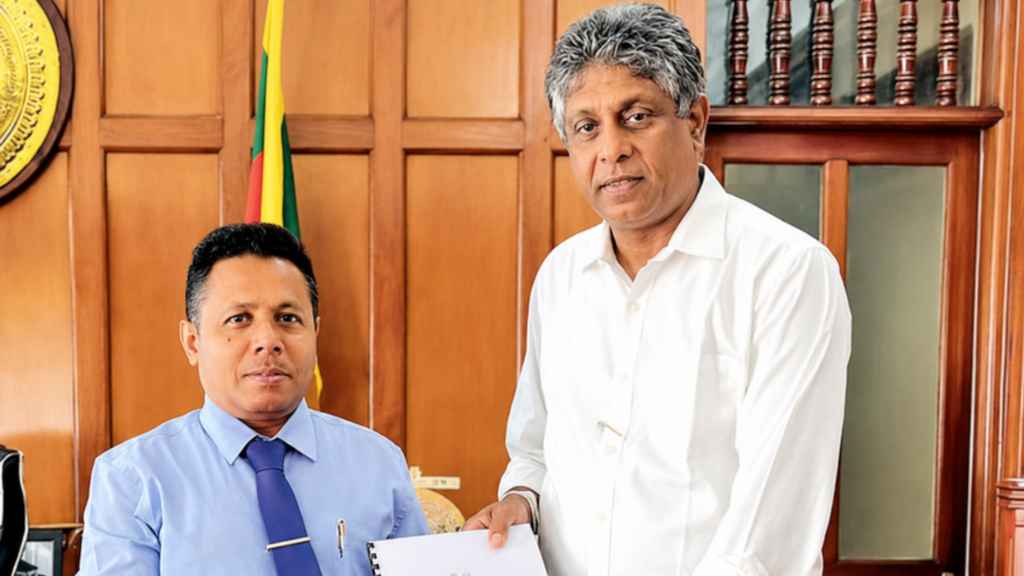
At the conclusion of the peace walk, the Dr. Paw team prepared a comprehensive digital health report summarising Aloka’s medical condition and care throughout the journey. The report was formally presented to Pannakara Thero, former DAPH Director General Dr. K. K. Sarath, current DAPH Director General Dr. Sanjika Perera, University of Peradeniya Vice Chancellor Prof. Terrance Madhujith, Sri Lanka Veterinary Association President Dr. Sugath Premachandra, and SLVA Secretary Dr. Uditha Wijesinghe.
The successful initiative highlighted the value of partnerships between public institutions, academia, professional veterinary organisations, and local technology companies in advancing animal healthcare services in Sri Lanka. It also demonstrated how digital innovation can be effectively integrated into veterinary practice to improve efficiency, continuity of care, and clinical outcomes.
Beyond supporting Aloka’s wellbeing during the nationally significant peace walk, the project serves as an example of how Digital veterinary health monitoring can contribute to the future of veterinary medicine in Sri Lanka. As digital healthcare technologies continue to evolve, similar solutions have the potential to enhance routine veterinary services, improve disease monitoring, strengthen animal welfare, and support more coordinated healthcare delivery across the country.
The initiative represents an important milestone in Sri Lanka’s veterinary sector, illustrating how innovation and collaboration can create practical solutions that benefit both animals and the professionals responsible for their care.