

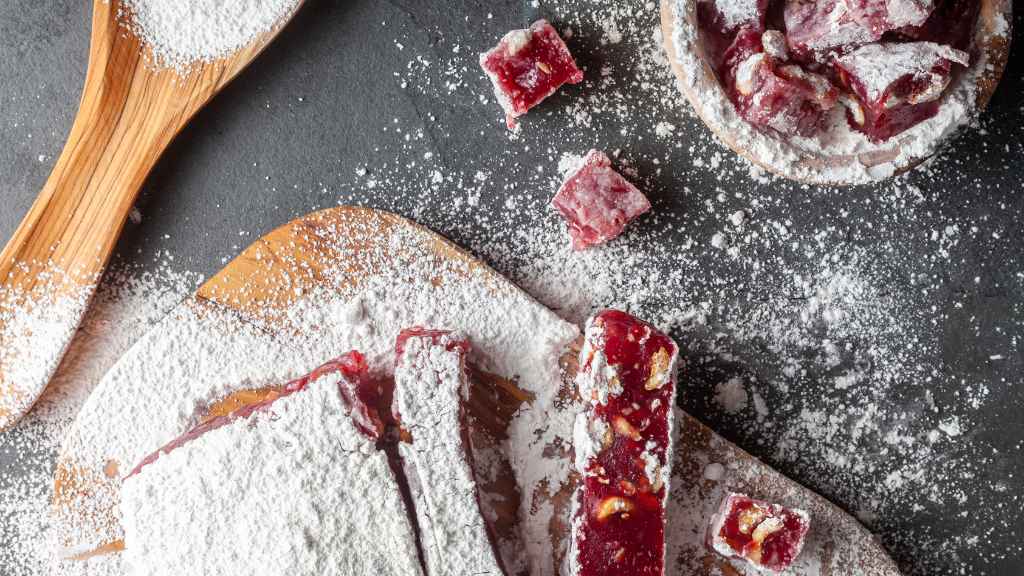
Local confectioners brace for bitter tariff squeeze as Sri Lanka’s planned tariff reforms raise concerns among domestic manufacturers that lower duties on imported confectionery could place local producers at a significant competitive disadvantage.
Local confectioners brace for bitter tariff squeeze amid Sri Lanka tariff reforms
While industry stakeholders have welcomed the government’s broader trade liberalisation agenda, they argue that reforms should also address the cost of importing essential raw materials to ensure fair competition.
Sri Lanka’s confectionery industry has expressed support for the government’s tariff modernisation programme and the economic reforms being implemented under the International Monetary Fund (IMF)-backed agenda. However, manufacturers caution that the current proposals could unintentionally favour imported finished products unless production inputs receive similar tax relief.
A senior industry source, speaking to Mirror Business on condition of anonymity, said local manufacturers are not opposed to increased competition but are concerned about maintaining a level playing field.
Under the proposed Sri Lanka tariff reforms, the removal of the CESS and the Ports and Airports Development Levy (PAL) is expected to reduce the cost of imported confectionery products entering the local market. At the same time, domestic manufacturers would continue paying import duties and levies on key production inputs, including sugar, corn starch, milk powder, cocoa products and flavouring ingredients.
According to the industry source, eliminating para-tariffs on finished confectionery without reducing duties on raw materials would significantly increase the competitive pressure on local manufacturers.
“If para-tariffs on finished confectionery are removed, it is equally important to remove or substantially reduce import duties and the Special Commodity Levy on essential raw materials used by local manufacturers,” the source said.
Industry representatives also highlighted the structural advantages enjoyed by manufacturers in countries such as India and China. These producers benefit from lower raw material costs, reduced electricity prices, more efficient logistics networks and significantly larger production volumes, allowing them to manufacture confectionery at lower costs and export competitively priced products.
Local businesses argue that Sri Lankan manufacturers cannot easily match those pricing advantages if production costs remain elevated through import taxes on essential ingredients.
The confectionery industry further warned that maintaining high levies on manufacturing inputs while reducing taxes on imported finished goods could discourage domestic value addition and undermine investments built over several decades.
Manufacturers stressed that their concerns are not rooted in protectionism but in ensuring consistent policy that promotes competitive local production.
“The industry is not seeking protection from competition. It welcomes fair competition. What it seeks is policy consistency that allows domestic manufacturers to compete on equal terms,” the industry source noted.
The sector plays a significant role in Sri Lanka’s manufacturing economy. It directly employs more than 30,000 people across production, sales, distribution and administrative functions while supporting thousands more through packaging, transport, advertising and retail supply chains.
Retail research firm PepperCube estimates that confectionery products are available in around 65 percent of Sri Lanka’s approximately 284,000 fast-moving consumer goods outlets, ranging from supermarkets to neighbourhood grocery stores. This broad retail presence underscores the industry’s importance to both manufacturers and consumers.
Beyond domestic sales, Sri Lankan confectionery manufacturers contribute billions of rupees annually through taxes while exporting products to more than 60 international markets. By supplying a substantial share of local demand, domestic producers also help reduce the country’s dependence on imported finished goods, thereby conserving valuable foreign exchange.
Industry leaders believe that lowering import duties on essential manufacturing inputs would improve competitiveness, encourage further investment, support employment and strengthen export growth.
As policymakers continue implementing Sri Lanka tariff reforms, manufacturers are urging the government to adopt a balanced approach that supports both trade liberalisation and domestic industrial development.
For the industry, Local confectioners brace for bitter tariff squeeze is more than a headline—it reflects growing concerns that tariff reforms should enhance Sri Lanka’s manufacturing base rather than unintentionally weaken businesses that contribute to employment, exports and long-term economic resilience.