

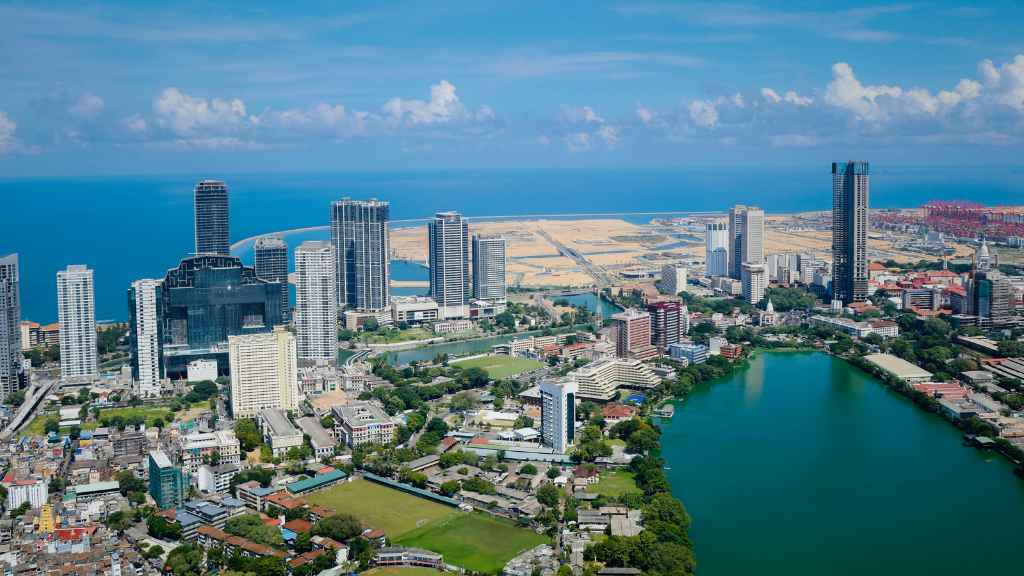
OIL SHOCK: CT Smith projects $ 11.1 b trade deficit as rising petroleum import costs are expected to widen Sri Lanka’s external trade gap, with higher global oil prices continuing to pressure the country’s import bill and economic outlook.
OIL SHOCK: CT Smith projects $ 11.1 b trade deficit amid rising petroleum imports
According to financial and capital markets advisory firm CT Smith Securities, the surge in fuel imports is likely to have a lasting impact on Sri Lanka’s balance of trade over the next two years despite expectations of stable export performance.
Speaking during a livestream presentation, CT Smith Securities Vice President of Equity Research Kugaprasath Thilagaratnam said the country’s petroleum imports have risen significantly during the first half of 2026, increasing their share of total imports compared with previous years.
Refined petroleum imports climbed 62 percent year-on-year to US$ 2.5 billion, accounting for around 20 percent of Sri Lanka’s total merchandise imports during the first six months of the year.
To illustrate the scale of the increase, Thilagaratnam noted that refined petroleum represented only 13 percent of total imports for the full year in 2025 and approximately 16 percent in 2024. The latest figures indicate a substantial increase in Sri Lanka’s dependence on imported fuel amid elevated international energy prices.
Data published in the Central Bank of Sri Lanka’s External Sector Bulletin for June 2026 further highlights the growing pressure on the country’s import bill. Total spending on petroleum products reached US$ 3.16 billion by the end of June, representing a 58.8 percent increase compared with the same period last year.
The rise in petroleum imports has contributed directly to the widening Sri Lanka trade deficit, which expanded to US$ 5.49 billion during the first half of 2026. This compares with a deficit of US$ 3.27 billion recorded during the corresponding period in 2025.
Based on current market conditions, CT Smith expects exports to remain broadly unchanged during 2026 before recovering modestly by around 2 percent in 2027. Imports, however, are forecast to increase by 15 percent this year before stabilising next year.
As a result, the firm projects the Sri Lanka trade deficit will widen to US$ 11.1 billion in 2026 before easing slightly to US$ 10.7 billion in 2027.
CT Smith’s baseline economic outlook assumes Brent crude oil prices remain between US$ 75 and US$ 85 per barrel. Under this scenario, Sri Lanka is expected to achieve around 4 percent GDP growth, while inflation is forecast to reach 7.5 percent by the end of the year.
The research team also expects the Sri Lankan rupee to trade within the Rs. 335 to Rs. 340 range against the US dollar under its base-case scenario, with listed corporate earnings growing between 3 and 5 percent.
However, the firm cautioned that the outlook could deteriorate if geopolitical tensions in the Middle East continue to disrupt global energy markets.
Under its bearish scenario, where Brent crude rises above US$ 90 per barrel, CT Smith forecasts Sri Lanka’s GDP growth slowing to between 2.5 and 3.5 percent, while inflation could move into double-digit territory. The rupee could weaken beyond Rs. 350 per US dollar, and corporate earnings may contract.
Conversely, a more favourable outcome remains possible if geopolitical tensions ease. Should Brent crude prices decline to between US$ 65 and US$ 75 per barrel, the firm believes Sri Lanka could achieve GDP growth of up to 5 percent, with inflation falling below 5 percent. In that scenario, the rupee could strengthen below Rs. 330, while corporate earnings would likely record high single-digit growth.
With energy prices continuing to influence Sri Lanka’s external accounts, OIL SHOCK: CT Smith projects $ 11.1 b trade deficit underscores the importance of global oil market developments for the country’s economic recovery. The pace of petroleum imports, export growth and international crude prices will remain critical factors shaping Sri Lanka’s trade balance and broader macroeconomic outlook in the coming years.