

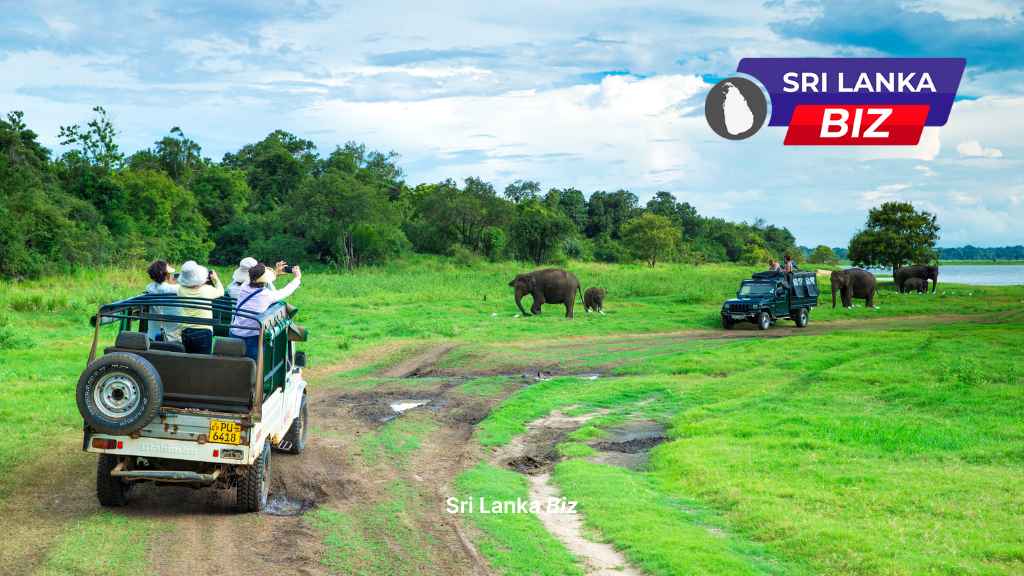
Sri Lanka tourism is preparing for a strong Winter season as authorities confirm minimal cyclone-related damage to core travel infrastructure. Industry leaders say the country remains fully capable of welcoming international visitors despite isolated disruptions.
Sri Lanka tourism shows strong recovery with minimal cyclone damage and renewed readiness for travellers
Sri Lanka’s tourism industry has reaffirmed its readiness to receive foreign travellers as the country recovers from the impact of Cyclone Ditwah. Despite the scale of the disaster, which claimed more than 450 lives and caused significant disruption in certain central districts, industry leaders emphasize that the majority of the island’s tourism infrastructure remains intact and operational. The message from authorities and sector stakeholders is clear: the island nation is open, prepared and eager to welcome visitors for the upcoming Winter peak season.
Speaking at a government-organized media briefing in Colombo, Asoka Hettigoda, President of The Hotels Association of Sri Lanka, explained that the country’s hospitality sector has demonstrated resilience amid the devastation. According to him, hotels across most regions are functioning normally, with only limited challenges in areas such as Kandy and Nuwara Eliya, two highland tourist hotspots that were among the regions most affected by landslides and road blockages. He noted that access to Nuwara Eliya is already partially restored via single-lane traffic, and full connectivity is expected within days.
Hettigoda added that the sector is currently maintaining occupancy levels of around 65 to 70 percent, despite a small number of cancellations following the cyclone. He stressed that these disruptions remain minor compared to overall tourist traffic and urged global travellers to continue planning trips to Sri Lanka. He also confirmed that no tourists have been stranded in the country and that essential services such as electricity, water and food supply remain uninterrupted in all major tourism zones.
Sri Lanka tourism authorities, while still assessing the full extent of localized hotel damage, have proposed a beneficiary support scheme aimed at helping affected accommodation providers recover. These efforts include providing targeted financial assistance to hoteliers whose properties experienced structural or operational setbacks due to the disaster. Industry representatives say this support will help ensure that the sector retains its capacity and readiness for the peak travel period.
Buddhika Hewawasam, Chairman of the Sri Lanka Tourism Development Authority, reinforced that the majority of the country’s key attractions remain open. Beaches, wildlife parks, cultural landmarks, forests and national reserves continue to operate normally. He emphasized that no tourists were harmed during the cyclone and that safety protocols remain active across all regions. According to Hewawasam, authorities responded efficiently to incidents involving stranded travellers, including 269 individuals who were rescued from affected zones with the assistance of the Sri Lanka Air Force.
Despite media reports of two British tourists facing shortages after being trapped by landslides in the hill country, officials clarified that every stranded visitor ultimately received assistance. The most challenging areas included Nuwara Eliya and Gampola, where access was hindered by debris and unstable terrain, but coordinated rescue efforts ensured that foreign visitors were moved to safety without major complications.
Sri Lanka Association of Inbound Tour Operators President, Nalin Jayasundara, expressed confidence that the winter travel season will perform better than the previous year, though he acknowledged a possible short-term dip in arrivals until mid-December. However, he emphasized that the cancellations received so far have been negligible and do not reflect broader travel sentiment toward Sri Lanka. Instead, operators expect demand to improve steadily as communication campaigns reassure travellers of the island’s stability and readiness.
The government and tourism bodies are also focusing on reinforcing international confidence in Sri Lanka as a resilient and secure travel destination. Collaborative efforts between private operators, local authorities and national agencies aim to highlight the country’s successful handling of the crisis, its rapid restoration of essential services and the continued availability of key tourism experiences. Many industry representatives believe that the transparency and efficiency of the response will strengthen global trust in the destination.
Sri Lanka tourism, which remains a vital pillar of the national economy, has already experienced steady recovery in recent months. The latest assurances from industry leaders suggest that this momentum will continue despite the temporary disruptions caused by Cyclone Ditwah. The nation’s network of beaches, tea estates, wildlife zones and cultural attractions remains largely unaffected, making it possible for travellers to experience the country without major limitations.
As recovery efforts continue, authorities are preparing to roll out additional communication initiatives aimed at informing international markets of the current situation. Their objective is to emphasize the island’s natural beauty, restored accessibility and uncompromised hospitality. In parallel, ongoing assessments will help determine the level of assistance required for hotels and tourism operators who suffered localized setbacks.
The collective message from industry organisations is one of resilience, readiness and optimism. With practical challenges being rapidly resolved, international connectivity intact and tourist safety prioritized, the country’s tourism sector is poised to maintain strong performance during the peak season. Visitors planning to explore Sri Lanka’s cultural landscapes, vibrant coastlines or natural wonders will find that the island remains both welcoming and well-prepared.