

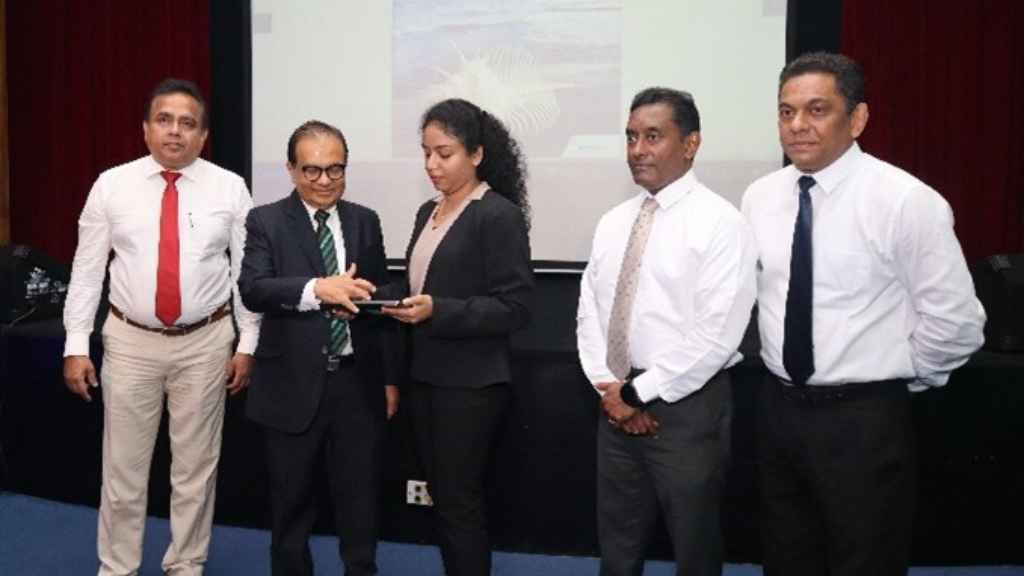
SLT-MOBITEL 2026 Calendar shines a spotlight on Sri Lanka’s seashell heritage, celebrating the nation’s coastal legacy through art and science. Dedicated to “Seashells of Sri Lanka,” the edition blends environmental awareness with cultural storytelling to inspire conservation.
SLT-MOBITEL 2026 Calendar honours Sri Lanka’s seashell heritage
SLT-MOBITEL has unveiled its 2026 Calendar with a thematic focus on seashells, positioning these marine treasures as enduring symbols of Sri Lanka’s coastal beauty, biodiversity, and ecological balance. Titled “Seashells of Sri Lanka,” the calendar continues the National ICT Solutions Provider’s long-standing tradition of using creative platforms to highlight the country’s natural heritage while fostering environmental responsibility among communities.
For more than two decades, SLT-MOBITEL’s annual calendars have gone beyond their functional purpose, serving as educational and cultural artefacts that bring attention to Sri Lanka’s environment, wildlife, and ecosystems. The 2026 edition reaffirms this commitment by turning attention to the ocean, encouraging the public to value marine life and recognise the urgent need to protect fragile coastal ecosystems.
Seashells, the external skeletons of marine molluscs, have held significance for centuries. Historically, they have been used as food, jewellery, decorative objects, and even currency. In more recent times, they have gained commercial value through the aquarium trade and shell-based crafts. However, the SLT-MOBITEL 2026 Calendar places emphasis not on exploitation, but on appreciation and understanding of their deeper ecological role.
Marine molluscs, including sea snails and clams, are vital to ocean health. Sea snails inhabit reefs, rocky shores, and sandy beaches, feeding on algae and smaller organisms, while clams act as natural filters, removing plankton and improving water quality. Together, these species contribute to sustaining marine ecosystems by providing food sources, shelter, and habitat structures for countless other organisms. Their presence helps maintain the delicate balance necessary for healthy oceans.
Artistically interpreted in the calendar, seashells are presented as symbols of renewal, harmony, and resilience. Through detailed illustrations, the collection invites viewers to pause and reflect on the interconnectedness between marine life and human wellbeing. The visual narrative encourages a sense of stewardship at a time when oceans face mounting threats from pollution, habitat destruction, and over-collection.
SLT-MOBITEL uses this creative medium to highlight pressing conservation challenges. Notably, twelve species of gastropod snails and one bivalve clam are already protected under Sri Lankan law, reflecting growing recognition of the vulnerability of certain marine species. Yet, seashell biodiversity in Sri Lanka remains relatively understudied. A provisional checklist published in 2020 documented 494 gastropod species across 73 families, a figure regarded as a minimum estimate rather than a complete inventory.
By drawing public attention to this rich but fragile marine heritage, the SLT-MOBITEL 2026 Calendar aims to bridge the gap between scientific knowledge and public awareness. Each illustrated shell is not merely an aesthetic choice but a conversation starter, highlighting the diversity that exists along Sri Lanka’s shores and beneath its waters.
The calendar features artwork by renowned artists Pulasthi Ediriweera and Nalin Jayarathna, under the guidance of marine naturalist Dr. Malik Fernando, MBChB (Bristol), a member of the Marine Subcommittee of the Wildlife & Nature Protection Society. Design direction was led by Sanjeevan Sathyajith, ensuring scientific accuracy is matched with visual elegance. Each month offers a curated glimpse into a distinct seashell species, complemented by scientific insights presented on the reverse, creating a balance between art and education.
The year-long collection includes illustrations of the Rose Branch Murex in January, Major Harp in February, Map Cowrie in March, Winding Stair Shell in April, Geography Cone in May, Persian Horse Conch in June, Reticulated Olive in July, Perry’s Triton in August, Triton’s Trumpet in September, Red-Mouth Frog Shell in October, Clover’s Lyria in November, and the Bull-Mouth Helmet Shell in December. Together, these shells form a cohesive celebration of marine biodiversity across the calendar year.
The educational purpose of the calendar is reinforced by SLT-MOBITEL’s broader engagement in marine research and conservation. It builds on the legacy of the 2024 Calendar, which highlighted mangrove ecosystems and sparked dialogue around sustainability and climate resilience. Beyond awareness, the company continues to support community-focused initiatives, including awards and scholarships for university students conducting research in mangrove restoration and marine conservation.
These efforts reflect a holistic approach that links knowledge sharing, preservation, and empowerment. By nurturing future researchers and environmental stewards, SLT-MOBITEL contributes to safeguarding Sri Lanka’s natural heritage while inspiring long-term action.
With seashells representing renewal and ecological harmony, the SLT-MOBITEL 2026 Calendar stands as a thoughtful tribute to the ocean’s hidden wonders. More than a visual showcase, it is a call to appreciate, protect, and take pride in Sri Lanka’s extraordinary marine legacy.