

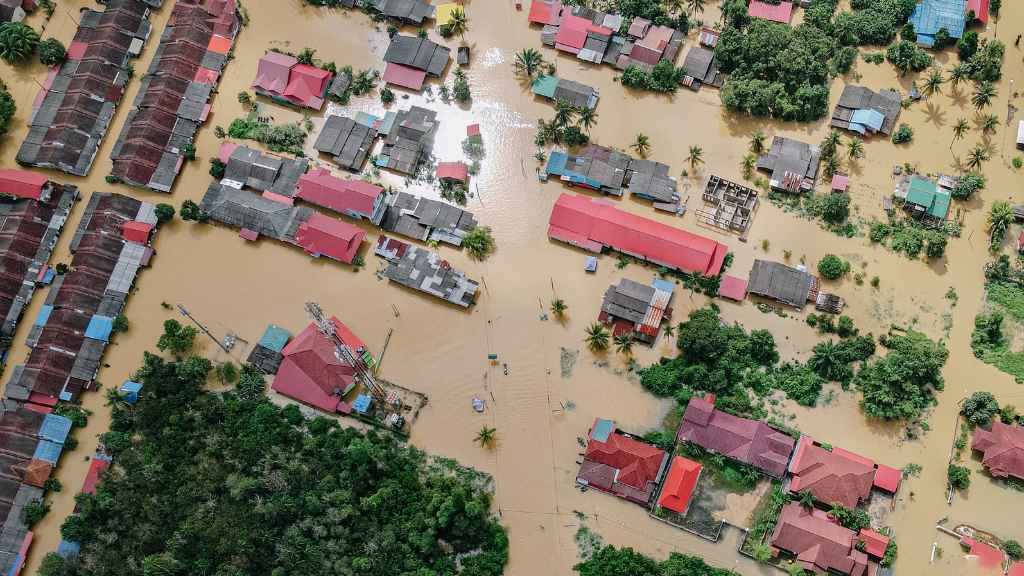
Sri Lanka Central Bank relief measures have been introduced to support individuals and businesses struggling after the destruction caused by Cyclone Ditwah. The newly issued framework aims to strengthen borrower protection while maintaining financial stability across the banking sector.
Sri Lanka Central Bank relief measures introduced to support disaster-hit borrowers
The Sri Lanka Central Bank relief measures unveiled this week mark one of the most extensive post-disaster financial support initiatives implemented in recent years. Following widespread economic disruption caused by Cyclone Ditwah, the Central Bank acted on the recommendations submitted by the Sri Lanka Banks’ Association (SLBA) and issued a detailed circular outlining temporary assistance mechanisms, new lending provisions, and safeguards intended to stabilize both borrowers and the broader financial system.
The directive has been sent to all licensed banks across the country, emphasizing an immediate need to extend practical and timely relief without jeopardizing the resilience of the financial sector. Under this new framework, banks are required to evaluate requests from affected borrowers submitted in writing or via electronic channels on or before January 15, 2026. This timeline ensures that individuals and businesses in disaster-hit regions have a reasonable window to secure support while also guiding banks to act promptly in their assessments.
A central component of the initiative involves temporary debt relief targeted at borrowers who cannot meet existing repayment commitments due to disaster-related losses. Banks have been instructed to suspend capital and interest repayments for a period ranging from three to six months. This suspension is to be applied on a case-by-case basis, taking into account the extent of losses and each borrower’s capacity to recover. In a move designed to prevent additional financial pressure, the Central Bank has clearly prohibited the charging of interest rates above the originally contracted terms during the suspension period. It has also required that deferred interest should not accumulate further interest, thereby limiting excessive cost burdens on borrowers.
Alongside temporary relief on existing loans, the Sri Lanka Central Bank relief measures provide a pathway for access to new credit facilities. Banks are permitted to issue new loans to affected individuals and businesses, provided they demonstrate a reasonable potential for repayment once normal economic activity resumes. To give borrowers time to regain stability, repayment of new loans must begin only after a grace period of at least three months following the end of the repayment suspension.
These new loans come with capped interest rates. Facilities with a tenor of up to two years must be offered at a fixed maximum interest rate of nine percent annually or at the borrower’s prevailing contractual interest rate—whichever is lower. For loans extending beyond two years, banks may revise interest rates after the initial two-year period, aligning them with movements in the Average Weighted Prime Lending Rate (AWPR) as stipulated in the loan agreement. This structure ensures predictability for borrowers while maintaining flexibility for banks.
In addition to credit relief, banks have been instructed to temporarily suspend several fee categories to soften the financial impact on customers. Charges related to cheque returns, stop payments, late payments, loan restructuring, and penal interest must all be waived until January 31, 2026. If any fees are automatically debited due to system processes, banks are required to refund the charges within three business days. This measure underscores the Central Bank’s commitment to ensuring fair treatment and operational accuracy during the relief period.
Transparency has been identified as a key principle in implementing these initiatives. Banks must provide borrowers with clear explanations of all terms, conditions, and cost components connected to any restructuring or rescheduling. Written or electronic confirmation from the borrower is required before final approval is granted. If a bank declines a request for relief, it must communicate the reasons in writing and inform the borrower of their right to appeal to the Director of the Financial Consumer Relations Department of the Central Bank. This appeals mechanism reinforces consumer protection and ensures accountability across the banking system.
The circular also addresses concerns about access to new credit. Banks have been specifically advised not to reject loan applications solely based on negative records from the Credit Information Bureau (CRIB), recognizing that disaster-related repayment challenges should not permanently penalize affected borrowers. This guidance aims to enable smoother economic recovery, especially for small enterprises and individuals whose livelihoods depend on timely access to financing.
The Central Bank noted that these measures complement the broader disaster-recovery initiatives already implemented by the Government of Sri Lanka. Together, the combined measures are expected to accelerate economic normalization in impacted regions and restore business operations disrupted by Cyclone Ditwah. As recovery efforts continue, the relief package offers a structured yet flexible mechanism to ease financial burdens while enabling long-term resilience across communities.