

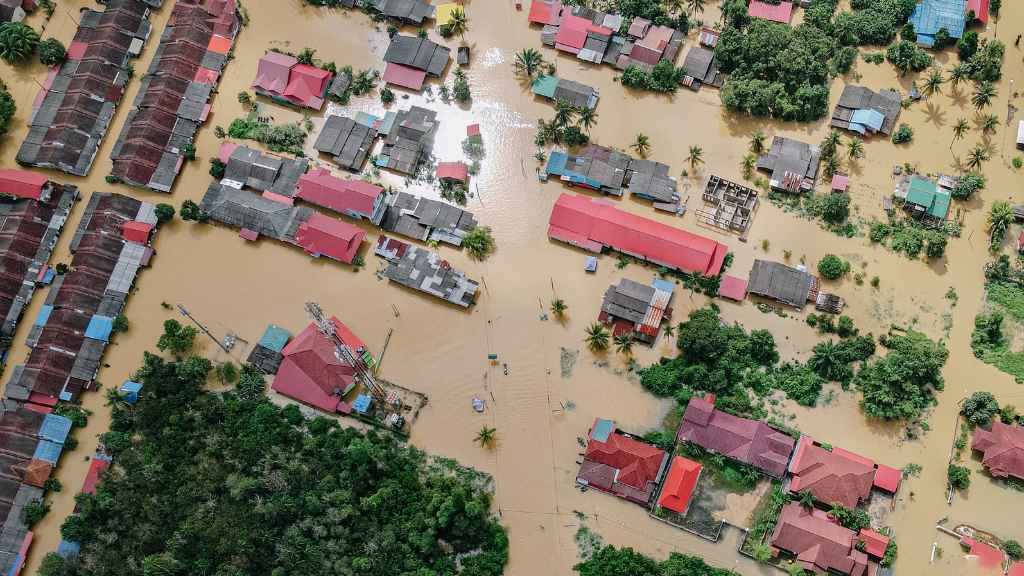
Sri Lanka disaster recovery fund is now being established to tackle the widespread devastation caused by Cyclone Ditwah. The Sri Lanka disaster recovery fund will involve public and private sector representatives, while the World Bank assesses the damage. This initiative ensures the Sri Lanka disaster recovery fund can efficiently mobilize resources for reconstruction and international support.
Sri Lanka disaster recovery fund to assess Cyclone Ditwah damage and rebuild
The Sri Lanka disaster recovery fund has been officially announced to coordinate the rebuilding of infrastructure and essential services affected by Cyclone Ditwah. This disaster recovery fund brings together government agencies, private sector leaders, and international organizations to manage recovery efforts effectively.
As part of this initiative, the World Bank will conduct the Global Rapid Post-Disaster Damage Estimation (GRADE) to assess the full impact of the cyclone and estimate the financial needs for reconstruction. The Sri Lanka disaster recovery fund will use this assessment to prioritize projects and mobilize both domestic and international funding. Authorities expect the GRADE report within two weeks, which will be crucial for the Sri Lanka disaster recovery fund’s strategic planning.
President Dissanayake highlighted that the visible damage represents only a fraction of the overall impact. He stressed that the Treasury alone cannot cover all costs, making the Sri Lanka disaster recovery fund essential for pooling resources from international partners, local businesses, and industrialists. The disaster declaration allows Sri Lanka to access global emergency funds, including the United Nations Central Emergency Response Fund, which supports the Sri Lanka disaster recovery fund’s objectives.
Cyclone Ditwah caused severe damage to roads, power networks, and agriculture. Roads in the hill country were destroyed by landslides, and several flood-prone areas lost transportation access. Power networks suffered widespread outages, leaving communities without electricity. Farmland was inundated, and livestock losses remain largely unreported. Residential and commercial properties were flooded, affecting food supplies and daily necessities. The Sri Lanka disaster recovery fund is central to restoring these critical services.
The government is actively working with friendly nations and international organizations to secure additional support for the Sri Lanka disaster recovery fund. Local business leaders are also encouraged to contribute to ensure timely reconstruction and build resilience for future disasters.