

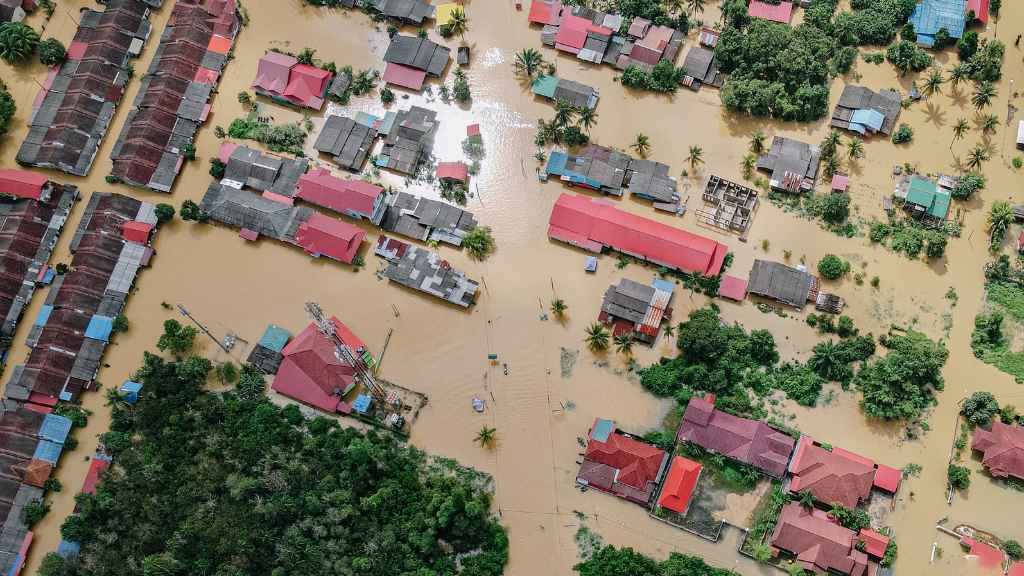
Sri Lanka disaster spending is set to increase through the reallocation of unused government funds, marking a strategic response to recent emergencies. The Treasury aims to release additional resources by adjusting existing ministerial budgets. Officials emphasise that the nation’s overall borrowing limits remain unchanged.
Government redirects funds for Sri Lanka disaster spending without altering the budget
Sri Lanka’s government has announced a decisive move to reinforce national disaster response efforts by reallocating 50 billion rupees from unspent ministerial budgets. This approach aims to ensure adequate funding for urgent recovery initiatives while maintaining the integrity of the 2025 national budget. Officials confirmed that a supplementary estimate will be presented to Parliament to formalise the reallocation and sustain a transparent budgetary process.
Deputy Treasury Secretary Ananda Seneviratne, addressing the Committee on Public Finance, explained that the proposal adheres to the government’s commitment to operate within predefined fiscal limits. Rather than expanding total expenditure or increasing borrowing, the Treasury has opted to optimise the existing budget framework. According to Seneviratne, parliamentary approval is required to access funds left unused across diverse ministries, making the process both systematic and accountable.
Details presented by Director of National Budget, June Nilukshan, revealed considerable unutilised allocations across several key ministries. The Ministry of Defence recorded approximately 15 billion rupees in unspent funds, while the Ministry of Highways and Transport held close to 50 billion rupees. Additional ministries each had between one and two billion rupees remaining from their approved budgets. Nilukshan clarified that these idle funds create the fiscal space needed to respond more effectively to disaster-related requirements without disturbing the overall spending ceiling set for the year.
The government had previously designated 3 billion rupees for disaster-related work under the Ministry of Defence for the current cycle. Given the scale of recent floods, landslides and climate-driven disruptions, an additional 11 billion rupees has already been distributed. The new reallocation will supplement this effort, ensuring that critical relief operations continue without interruption. Officials noted that initial allocations for disaster management often serve as placeholders, with additional financing supplied through Treasury miscellaneous provisions depending on the severity of events.
This recalibration of funds reflects a long-standing mechanism within Sri Lanka’s public finance architecture. Historically, the country saw an extensive use of supplementary estimates during the 1980s, particularly when economic instability led to inflationary pressures and disrupted fiscal planning. Those macroeconomic challenges strained national budgets, necessitating frequent financial adjustments to accommodate unforeseen expenses. However, the present environment remains relatively stable, and authorities emphasise that the new reallocation is not indicative of fiscal stress but a structured and prudent response to current disaster needs.
The global economic environment has also contributed to shifts in domestic budget management. Officials referenced the central bank’s inability to meet its 5 percent inflation target last year, partly due to international factors such as pressure on commodity prices including oil, coal and essential food imports. Despite these external pressures, the current reallocation strategy aims to protect Sri Lanka’s disaster relief operations while upholding fiscal discipline.
In the broader context, Sri Lanka disaster spending has become increasingly critical as climate-related events intensify. The nation continues to experience recurring floods, severe monsoon impacts and localized environmental emergencies. This has heightened the need for flexible financial mechanisms that can support rapid and efficient responses. By drawing from funds that would otherwise go unused, the government ensures that urgent relief efforts are not constrained by delays or resource shortages.
The Treasury’s decision also aligns with the ongoing effort to modernise public finance management. The practice of relying on internal reallocations instead of expanding fiscal deficits supports long-term economic stability. It demonstrates a commitment to responsible governance, especially as the country works to regain financial resilience following years of economic challenges.
Experts suggest that reallocation strategies such as this may continue to play a role in managing climate-driven risks. As disaster patterns evolve, the ability to move funding across ministries quickly and transparently will remain important. Authorities argue that ensuring adequate Sri Lanka disaster spending is essential not only for immediate relief but also for rebuilding public confidence in state-led recovery efforts.
With the supplementary estimate soon headed to Parliament, policymakers expect swift approval given the urgency of current disaster conditions. Once approved, the redirected funds will enable ministries and local authorities to expedite emergency repairs, supply support for affected communities and strengthen ongoing recovery projects. Government representatives maintain that the decision strikes an essential balance between fiscal responsibility and humanitarian necessity.