

Sri Lanka Environment Bill reforms are set to reshape the country’s environmental regulatory framework with stricter project monitoring, legally binding environmental management requirements, and a new load-based pollution charging system aimed at reducing environmental damage.
Sri Lanka Environment Bill introduces stricter monitoring and pollution fines
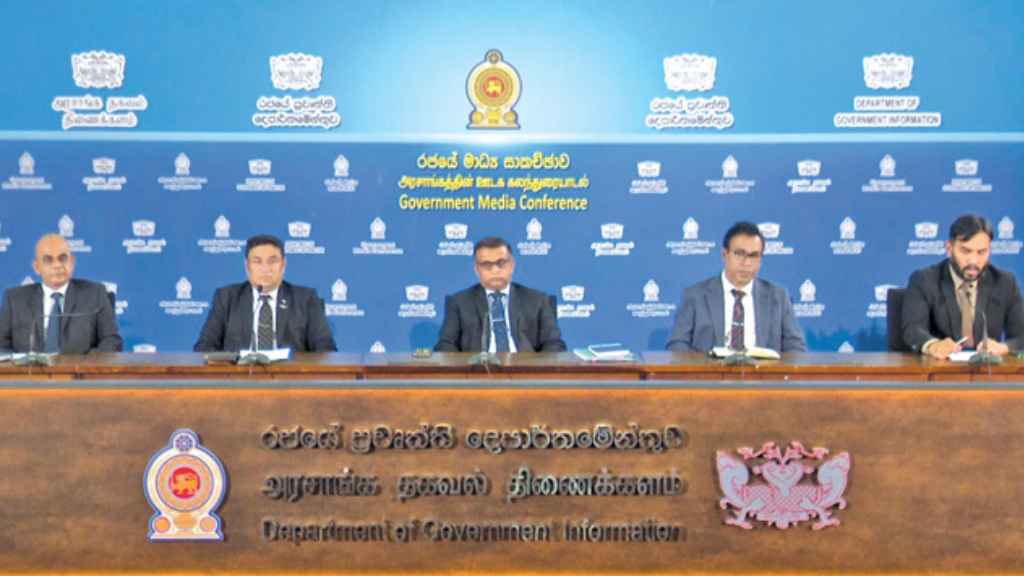
The proposed amendments to the National Environmental Act were outlined by Environment Minister Dammika Patabendi and senior officials from the Central Environmental Authority (CEA), who said the changes are intended to strengthen environmental governance and close long-standing regulatory gaps.
One of the most significant changes under the Sri Lanka Environment Bill is the introduction of load-based charging for pollutants. The system will calculate environmental fees based on the actual quantity of contaminants released into water sources and surrounding ecosystems rather than relying on fixed penalties or generalized estimates.
Officials say the move is designed to directly address growing concerns over industrial pollution and deteriorating water quality in several regions across the country. By linking charges to measurable pollution levels, authorities expect industries to adopt cleaner production methods and invest more heavily in waste management systems.
Kapila Rajapaksha, Director General of the Central Environmental Authority, said the amended legislation would also make it mandatory for industrial projects to obtain environmental recommendations before operations begin.
According to Rajapaksha, businesses planning to establish industrial facilities will be legally required to secure environmental clearance relevant to the selected location before project implementation. Authorities believe this will prevent environmentally unsuitable developments from proceeding without proper review.
The proposed legislation also formally incorporates Strategic Environmental Assessments (SEA) into the legal framework. This mechanism will require regional development plans, land-use policies, and major infrastructure proposals to undergo environmental evaluations during the planning stage rather than after projects have already commenced.
Environmental experts have long argued that the absence of legally enforceable SEA provisions weakened Sri Lanka’s ability to identify long-term environmental risks tied to rapid urbanization and large-scale infrastructure development. The new framework is expected to strengthen oversight of future development activities while improving accountability among investors and project developers.
The Sri Lanka Environment Bill further introduces tighter post-approval monitoring obligations for large-scale projects. Under the proposed amendments, investors will be required to submit an Environmental Management Plan (EMP) to the CEA within one month of receiving project approval.
Authorities say the EMP will become a legally binding document under the revised law. Project developers who fail to implement agreed environmental mitigation measures during the construction phase could face substantial financial penalties or imprisonment for up to two years.
Regulators believe the changes will help ensure that environmental commitments made during the approval process are actually implemented on the ground. Previously, concerns had been raised that some projects received environmental clearance but later failed to follow through on pollution control measures and ecological safeguards.
The bill also seeks to address weaknesses in Sri Lanka’s handling of hazardous chemicals and industrial waste. Although monitoring mechanisms already exist for certain chemical substances, officials acknowledged that enforcement powers have remained limited due to gaps in existing legislation.
Under the revised framework, a comprehensive licensing system will be introduced to regulate the entire lifecycle of chemicals. This includes the importation, storage, transportation, usage, discharge, and export of hazardous materials.
The strengthened legal powers are expected to improve the government’s ability to track potentially dangerous substances while reducing environmental and public health risks associated with improper disposal practices.
The proposed reforms come at a time when environmental concerns are receiving increased attention both locally and globally. Sri Lanka has faced mounting pressure to strengthen its environmental regulations Sri Lanka framework amid rising industrial activity, urban expansion, and climate-related challenges affecting water resources and ecosystems.
Industry observers note that while the proposed measures could increase compliance costs for certain businesses, the reforms may also encourage more sustainable industrial practices and improve investor confidence in environmentally responsible development.
Officials from the Central Environmental Authority maintain that the revised legislation aims to balance economic growth with environmental protection by creating a more transparent and enforceable regulatory system capable of supporting long-term sustainable development objectives.
If approved, the amendments would represent one of the most significant environmental policy overhauls in Sri Lanka in recent years, with authorities hoping the measures will strengthen environmental accountability while protecting natural resources for future generations.