

Sri Lanka experiential tourism should become the country’s next growth strategy as global travel demand faces fresh challenges from geopolitical tensions, aviation disruptions and rising travel costs, according to the Hotels Association of Sri Lanka (THASL).
Sri Lanka experiential tourism can boost visitor spending despite global travel challenges
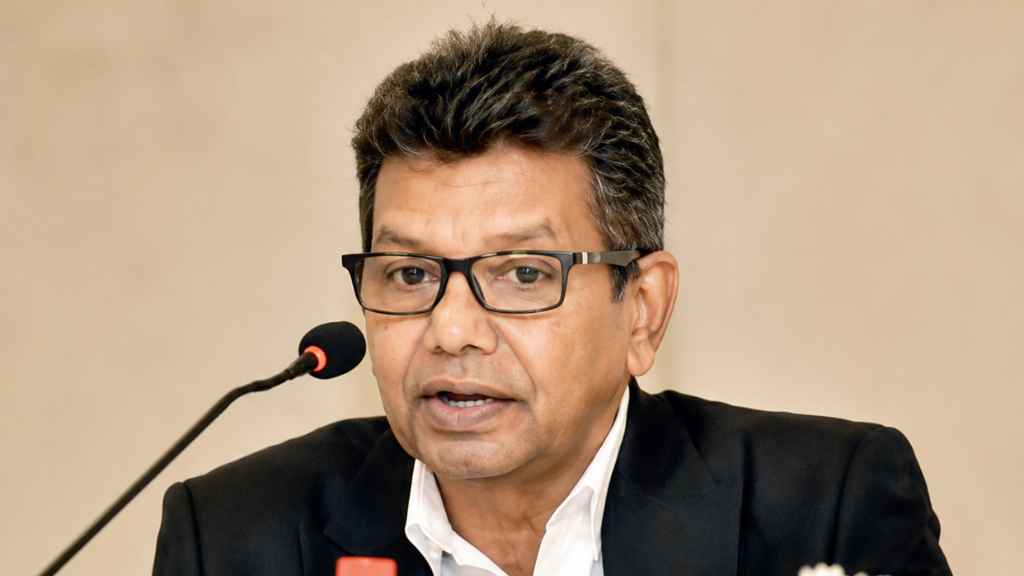
THASL Chief Executive Officer Priantha Fernando says the country must move beyond a strategy focused primarily on visitor arrivals and instead prioritise higher visitor spending by developing premium travel experiences and targeting resilient regional markets.
Fernando made the remarks as global tourism forecasts have been revised downward following the escalation of tensions in the Middle East, which has disrupted airline operations, increased fuel prices and encouraged travellers to choose shorter regional trips over long-haul holidays.
He noted that international tourist arrivals, initially projected to grow by between 3% and 4% this year, are now expected to increase by only around 1.5%. While global travel recorded 2.5% growth during January and February 2026, expansion slowed significantly to just 0.4% in March as aviation disruptions intensified.
Against this backdrop, Fernando believes Sri Lanka experiential tourism offers an opportunity to strengthen the country’s competitive position by focusing on high-value travel rather than volume alone.
He said nearby markets such as India and China should become priority targets, given their resilience and growing outbound travel demand. India, in particular, has emerged as one of the strongest regional tourism markets, helping neighbouring destinations offset slower arrivals from Europe.
Fernando recommended dedicated roadshows, customised travel packages and stronger partnerships with travel agencies and tour operators across Asia to increase regional visitor arrivals.
Although South Asia accounts for only a small share of the wider Asia-Pacific tourism market, it remains one of the fastest-recovering regions globally. He believes 2026 will be a crucial year for Sri Lanka to strengthen its position within this regional recovery.
Sri Lanka has already revised its tourism targets for 2026 to 2.5 million arrivals and approximately US$3.5 billion in tourism earnings, reflecting the impact of continuing global uncertainty.
Fernando warned, however, that delayed destination marketing campaigns are reducing the country’s ability to achieve even these revised targets. He argued that stronger promotional efforts would generate substantial returns for both the industry and the Government through higher visitor spending and increased tax revenue.
According to Fernando, tourism earnings of US$3.5 billion could generate around US$900 million in Government revenue, while more effective destination marketing could potentially increase that figure beyond US$1.2 billion.
He called for greater collaboration between tourism authorities, airlines, destination management companies, tour operators and hotel operators to strengthen international promotion of Sri Lanka tourism.
Looking ahead, Fernando identified MICE tourism as one of the country’s most promising growth segments. He believes Colombo has the potential to develop into a regional hub for meetings, incentives, conferences and exhibitions, particularly with the addition of new luxury developments such as the City of Dreams resort.
Beyond business travel, he said Sri Lanka should continue expanding wellness tourism, Ayurveda retreats, eco-tourism, wildlife experiences, hiking trails, spiritual tourism and heritage travel to attract higher-spending visitors seeking authentic experiences.
Sports tourism also presents significant opportunities, particularly through internationally recognised surfing destinations such as Arugam Bay and Weligama, as well as cricket-related travel linked to major international tournaments hosted in Sri Lanka.
Fernando emphasised that future tourism development should also benefit emerging destinations including Ella and Hiriketiya while maintaining environmental sustainability and encouraging greater community participation.
He further highlighted the importance of digital transformation within the tourism sector. Developing a unified digital platform covering visa processing, national park reservations and digital payment services would significantly improve the visitor experience.
In addition, stronger digital storytelling, influencer marketing campaigns and investments in workforce training would enhance Sri Lanka’s international competitiveness and service standards.
Fernando also stressed that improving airline connectivity remains essential. While the arrival of carriers such as Vietnam Airlines and Jetstar has helped restore some capacity, further route expansion will depend on creating sufficient market demand through sustained international promotion.
He concluded that coordinated efforts between the public and private sectors will be essential to position Sri Lanka experiential tourism as a premium destination capable of delivering higher visitor spending, stronger foreign exchange earnings and long-term sustainable growth.