

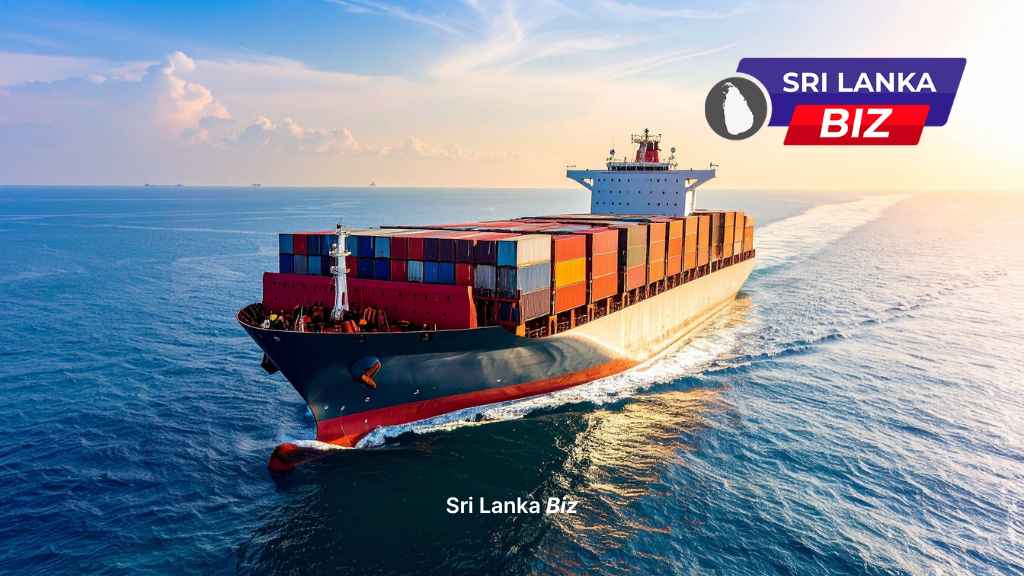
Sri Lanka exporters urge clear guidelines on forced labour import ban as the country moves to strengthen compliance with international labour standards, warning that unclear enforcement procedures could disrupt legitimate trade and increase costs for businesses.
Sri Lanka exporters urge clear guidelines on forced labour import ban to protect legitimate trade
The Exporters Association of Sri Lanka (EASL) has called on the government to introduce a transparent and risk-based implementation framework for newly gazetted regulations prohibiting the importation of goods linked to forced labour. While welcoming the government’s commitment to ethical trade and internationally accepted labour standards, the association stressed that the operational guidelines needed to implement the regulations have yet to be finalized.
According to the Exporters Association of Sri Lanka, the absence of detailed implementation procedures could create uncertainty for businesses involved in international trade. The association cautioned that without clear guidance, companies may face higher compliance costs, shipment delays, additional administrative requirements, and unnecessary disruption to legitimate commercial activities.
The EASL emphasized that Sri Lanka should adopt a risk-based enforcement model aligned with international best practices. Instead of requiring extensive documentation for every import transaction, the association recommended focusing regulatory efforts on high-risk products, supply chains, and jurisdictions where the likelihood of forced labour is considered greater.
Such an approach, the association argued, would allow authorities to effectively enforce the new regulations while minimizing unnecessary burdens on businesses that already comply with international standards. It would also help preserve the efficiency of supply chains and maintain Sri Lanka’s reputation as a reliable trading partner.
The Sri Lanka exporters urge clear guidelines on forced labour import ban appeal also includes a request for broader stakeholder engagement before operational procedures are introduced. The EASL urged the government to conduct structured consultations with exporters, importers, chambers of commerce, logistics service providers, and other industry stakeholders to ensure that implementation measures are practical and effective.
In addition, the association called on the Department of Customs to publish comprehensive operational guidelines before enforcement begins. These should clearly outline acceptable documentary requirements, verification procedures, compliance expectations, and reasonable transition arrangements that allow businesses sufficient time to adapt to the new regulatory framework.
EASL Chairman Nalaka Ratnayake said Sri Lanka’s exporters fully support ethical trade practices and the elimination of forced labour from global supply chains. However, he stressed that new compliance measures must be introduced in a manner that provides certainty for businesses and avoids unintended consequences for legitimate trade.
He noted that a transparent, practical, and internationally aligned implementation process would help achieve the objectives of the regulations while preserving Sri Lanka’s competitiveness as a trading nation. Clear guidance, he said, would also strengthen confidence among international trading partners and reduce operational uncertainty for exporters and importers alike.
As an export-oriented economy, Sri Lanka exports rely heavily on predictable trade policies, efficient customs procedures, and strong international credibility. Industry representatives say maintaining confidence in Sri Lanka’s regulatory environment is essential for attracting investment, supporting export growth, and ensuring continued access to global markets.
The EASL also highlighted the importance of protecting supply chains while ensuring the timely clearance of cargo through the Port of Colombo. Delays caused by unclear compliance procedures, it warned, could affect business operations, increase logistics costs, and weaken Sri Lanka’s competitiveness in regional and international trade.
The Sri Lanka exporters urge clear guidelines on forced labour import ban request reflects the private sector’s support for ethical and responsible trade while calling for regulations that are practical, transparent, and proportionate. The Exporters Association of Sri Lanka said it looks forward to continued dialogue with the government and relevant authorities as the implementation framework is finalized, ensuring the new regulations support both international obligations and sustainable growth in Sri Lanka exports.