

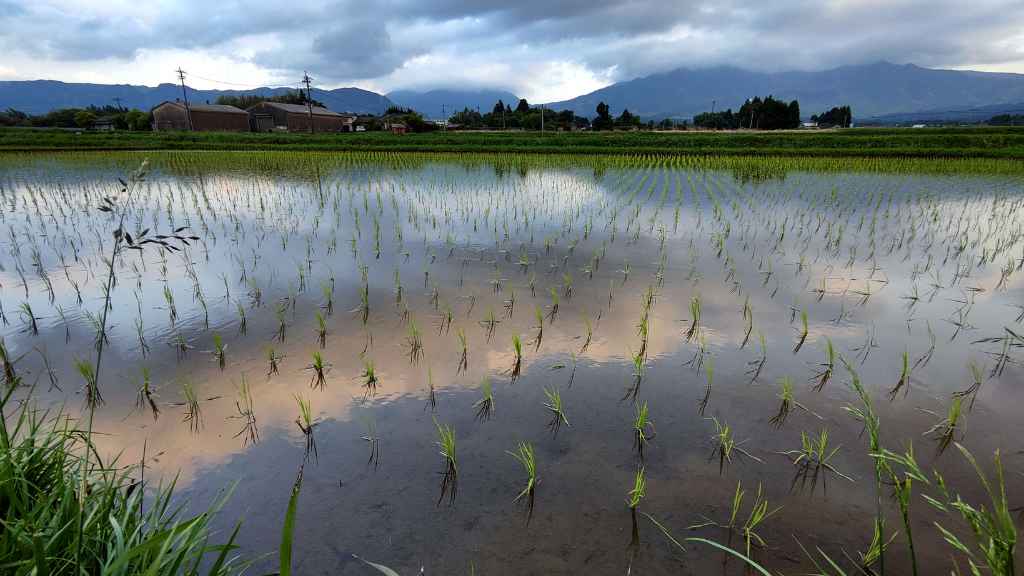
Sri Lanka farmers are confronting severe setbacks after widespread flooding during the Maha season, with large areas of cultivated land submerged following Cyclone Ditwah. The disruption has raised concerns about crop losses, seed availability, and the broader impact on food production. Early assessments indicate extensive agricultural and fisheries damage, affecting livelihoods across multiple districts.
Sri Lanka farmers struggle with crop damage and flooding impacts
Sri Lanka farmers had cultivated nearly 563,950 hectares of rice during the Maha season when Cyclone Ditwah triggered intense rainfall and widespread flooding, according to a Joint Rapid Needs Assessment by the United Nations and the Disaster Management Centre. The Maha season typically covers 800,000 to 850,000 hectares, and at the time of the cyclone, almost 775,000 farmers had already sown their paddy fields at different growth stages.
The assessment notes that substantial yield losses are expected as vast tracts of land remain submerged or waterlogged. While short-term flooding is common in Sri Lanka’s paddy fields, the extent of damage this time varies depending on the crop’s growth stage when the flooding began. In regions such as Ampara in the Eastern Province, where cultivation usually begins early, young plants are at higher risk of dying if fields remain inundated for prolonged periods. In addition to plant loss, some areas may also experience sand deposition or the washing away of newly sown fields.
Although there is time to re-cultivate the affected land, officials are increasingly concerned about the availability of seed paddy. Stocks stored in farming households have also been damaged by floodwaters, raising uncertainty about the scale of replanting that can be carried out this season. Sri Lanka farmers face longstanding regulatory restrictions that prevent the use of paddy land for alternative crops, adding further pressure. Past events have shown that farmers must navigate a complex approval process even to remove sand that accumulates on their own land after flooding.
Replanting will also require additional fertilizer inputs, further increasing production costs. Beyond paddy cultivation, about 95,799 hectares of other field crops and 13,463 hectares of vegetables have sustained heavy damage. The affected crops include maize, pulses, bananas, and a variety of vegetable varieties. According to Agriculture Department data cited in the assessment, flooding, wind impact, and extended waterlogging have all contributed to crop destruction.
The Food and Agriculture Organization (FAO), together with the Department of Agriculture and the Department of Agrarian Development, is conducting field-level verification to determine accurate district-level damage figures. These findings will guide recovery planning, the distribution of agricultural inputs, and early livelihood assistance for affected Sri Lanka farmers.
Losses have also extended to the livestock sector, where animals have drowned and shelters have been destroyed. Farmers are facing additional setbacks due to the loss of fodder, feed, and grazing land, with stored feed stocks damaged or contaminated by floodwater. Critical livestock infrastructure, including shelters and water points, has been compromised, reducing farmers’ ability to resume normal operations. Stagnant water and overcrowded conditions have increased the risk of disease outbreaks, while disruptions to supply chains are limiting access to markets, veterinary services, and transport.
The fisheries sector has reported significant damage as well. The Ministry of Fisheries, Aquatic and Ocean Resources states that nearly 200 outboard motor boats, as well as canoes, traditional crafts, and an undetermined number of multiday vessels, were damaged during the cyclone. Inland fisheries have suffered losses due to the destruction of reservoirs and the escape of stocked fish. Several fish-culture cages were washed away, further undermining local livelihoods.
Aquaculture operations, including shrimp farms, seaweed units, ornamental fish farms, and sea-cucumber sites, have also incurred major losses due to extensive inundation and infrastructure damage. For Sri Lanka farmers and fishing communities alike, the combined impact of agricultural and fisheries damage presents a significant challenge for recovery, food security, and economic stability in the months ahead.