

Sri Lanka food security faces a critical threat after Cyclone Ditwah devastated key agricultural regions. The cyclone’s heavy rains and strong winds have disrupted crops, jeopardizing production, farmer incomes, and national food supply well into 2026.
Assessing Sri Lanka food security and recovery measures post-Cyclone Ditwah
The year 2025 has been particularly challenging for Sri Lanka’s agriculture, with Cyclone Ditwah inflicting widespread damage across multiple agro-ecological zones. While infrastructure destruction was immediately visible, the deeper impact lies in the hidden agricultural toll, affecting food availability, household incomes, and long-term national food security.
The cyclone struck when the Yala crop harvest was complete and most Maha season crops were still in early developmental stages, leaving young plants, vegetables, and field crops highly vulnerable. Numerous paddy fields were submerged, seedlings were washed away, and fruit trees lost flowers and immature fruits, creating cascading effects on crop production.
The Hidden Agricultural Toll
Cyclone Ditwah severely damaged early-stage Maha season crops, including paddy, vegetables, and other field crops, producing both immediate and long-term production shocks. Even perennial crops like tea, rubber, coconut, and fruit trees experienced substantial losses due to strong winds, landslides, and prolonged waterlogging. Home gardens, which many households rely on for nutrition, were also heavily affected, often buried under mud and debris.
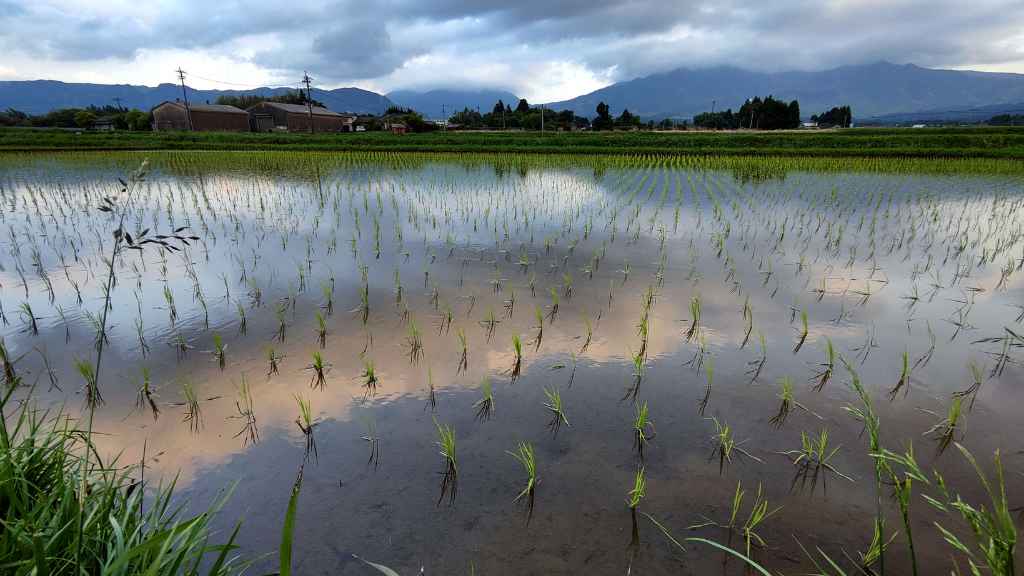
Paddy cultivations, at their most sensitive early stages such as transplanting and vegetative growth, were particularly impacted. Submerged or waterlogged fields delayed planting cycles and reduced the overall cultivated area, which is expected to depress yields in the upcoming harvest. Similarly, vegetable farms in both up-country and low-country regions faced significant destruction, including some under protective structures like greenhouses.
Based on historical patterns from the 2017 floods, plantation crops such as tea, rubber, and coconut are likely to experience similar or even greater damage. Strong winds and soil erosion can lead to premature dropping of flowers and immature nuts, reducing future yields and affecting farmers’ incomes for months ahead.
From Production Losses to Price Spikes
Sri Lanka’s paddy consumption requires roughly four million metric tons annually, with the Maha season contributing about two-thirds of total rice production. However, current reports from the Disaster Management Centre indicate that only 563,950 hectares have been sown, and most of these areas were heavily affected by Cyclone Ditwah. Production shortfalls will likely continue into 2026 unless urgent measures are taken to restore soil fertility and replant crops.
Vegetables and other field crops have suffered extensive damage, with 95,799 hectares of field crops and 13,463 hectares of vegetables affected, representing 64% and 74% of Maha 2024 areas respectively. As a result, local vegetable prices for crops such as carrots, green chilies, cabbage, beans, tomatoes, and pumpkins spiked by 100% to 350% in some markets, creating affordability challenges for low-income families and intensifying nutrition insecurity.
Vulnerable populations—including children under five, pregnant and lactating women, the elderly, and people with disabilities—are at heightened risk of malnutrition due to limited access to nutrient-rich foods. The reduction in domestic production, coupled with rising consumer prices, threatens to increase food insecurity nationwide and drive greater reliance on imports, which could strain foreign exchange reserves.
Key Action Areas for Recovery and Resilience
Immediate priorities include restoring food distribution networks, repairing rural roads, clearing debris, and improving access to wholesale markets in Colombo, Dambulla, and other major hubs. Emergency support packages—comprising seeds, tools, fertilizers, and financial aid such as grants or soft loans—are essential to help farmers replant crops and stabilize production.
Protective measures for vulnerable households, including temporary food subsidies and targeted assistance, can prevent further nutritional setbacks during periods of price volatility. Reinforced market monitoring is also necessary to curb hoarding and excessive price spikes.
Long-term climate resilience is critical for mitigating future cyclones and extreme weather events. Promoting climate-smart agriculture, including drip irrigation, protected cultivation, planting resilient crop varieties, and slope stabilization, is vital, especially in high-risk up-country regions. Integrating district-level disaster preparedness plans with early warning systems for landslides, flash floods, and severe storms will further enhance resilience across Sri Lanka’s agricultural sectors.
Investments in infrastructure, protective cultivation, and emergency preparedness will not only help restore current production but also safeguard future food security, ensuring that Sri Lanka’s communities can withstand similar climate shocks in the years ahead.