

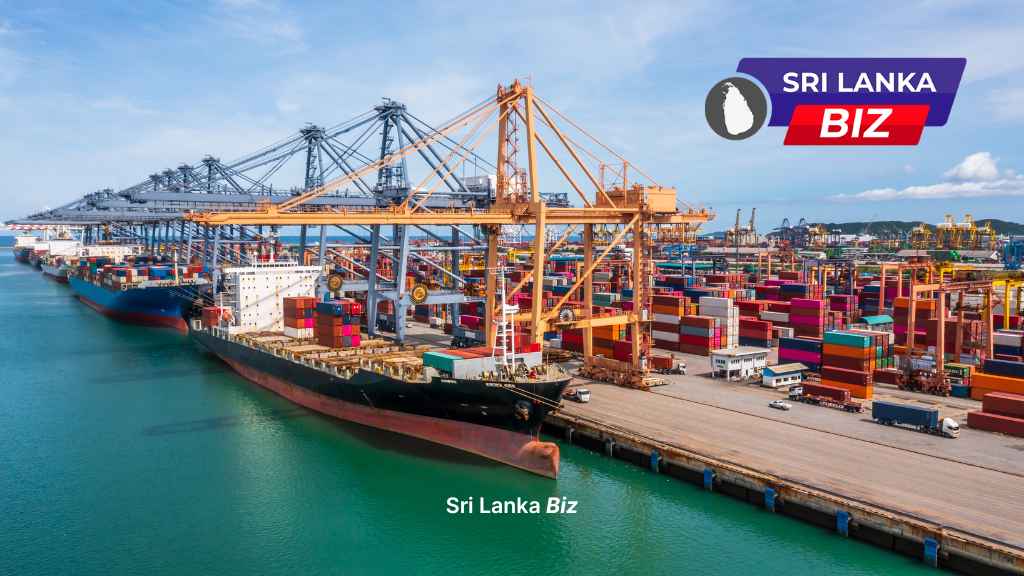
Sri Lanka humanitarian aid procedure has been updated to streamline the receipt and distribution of overseas relief consignments. The new Sri Lanka humanitarian aid procedure aims to expedite essential supplies to communities impacted by severe weather while ensuring compliance with national standards. Donors and organizations can now follow clear steps under the Sri Lanka humanitarian aid procedure for faster and more efficient support.
Sri Lanka humanitarian aid procedure ensures faster relief delivery to affected communities
The Sri Lanka humanitarian aid procedure has been officially announced to facilitate quicker clearance and distribution of overseas donations. Customs authorities have introduced simplified measures, waiving import duties and related levies on approved consignments to ensure relief supplies reach affected areas without delay. The Sri Lanka humanitarian aid procedure provides detailed guidance for donors on dispatching shipments, completing Customs clearance, and coordinating with local authorities for distribution.
The Ministry of Foreign Affairs has published a comprehensive list of required items, accessible at https://mfa.gov.lk/en/, to guide donors. Under the Sri Lanka humanitarian aid procedure, goods are subject to regulatory inspections to confirm quality, safety, and suitability for human consumption. Only compliant items receive clearance for delivery to affected households.
Eligible consignments can be sent by individuals, organizations, or through Government-to-Government channels. All shipments intended for duty-free clearance must be addressed to the Secretary, Ministry of Defence, Disaster Management Centre (DMC), Vidya Mawatha, Colombo 07. Donors are required to provide a detailed list of items, quantities, and estimated values to the DMC prior to shipment to facilitate smooth Customs processing.
The Sri Lanka humanitarian aid procedure categorizes relief shipments into Government-to-Government, diplomatic cargo, and individual or organizational donations. This structured framework ensures that critical supplies, including food, medical aid, and emergency equipment, are efficiently delivered to communities affected by natural disasters. By following the Sri Lanka humanitarian aid procedure, donors contribute effectively to relief operations while complying with national safety and regulatory standards.
These measures reflect the government’s commitment to improving disaster response capabilities and minimizing delays in humanitarian assistance. The Sri Lanka humanitarian aid procedure is expected to enhance coordination between Customs, the Disaster Management Centre, and overseas donors, ensuring that aid reaches those in need swiftly and safely.