

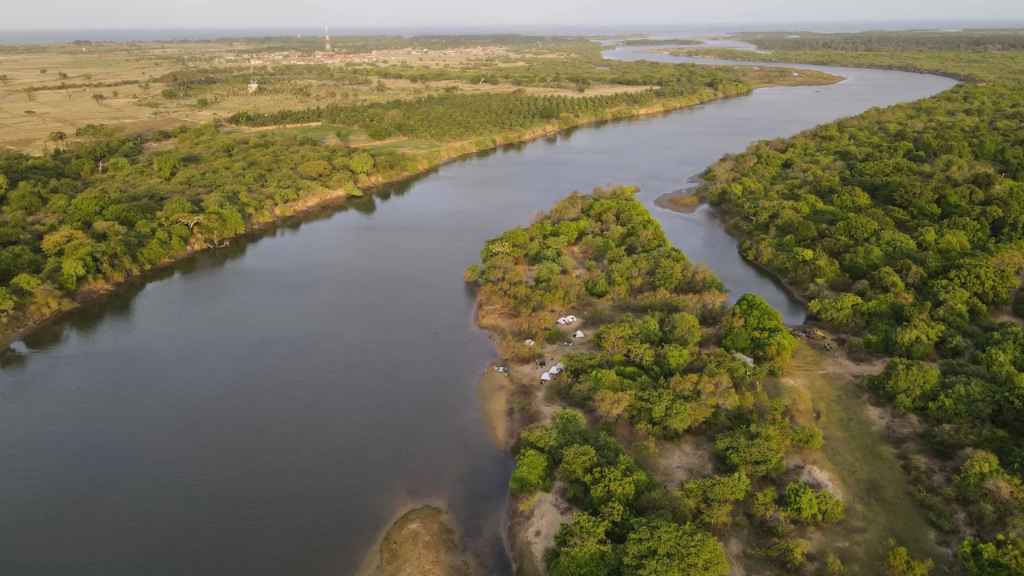
The Sri Lanka Malwathu Oya hydro project faces a staggering 106% cost increase since 2019. Resuming after delays caused by the pandemic and currency crisis, the multipurpose scheme underscores challenges in budgeting and infrastructure planning.
Revised costs highlight 106% increase for Sri Lanka’s Lower Malwathu Oya hydro project
Sri Lanka’s cabinet has approved the resumption of the Lower Malwathu Oya multipurpose hydro power project, which was halted during the Coronavirus pandemic and a currency crisis that culminated in sovereign default. Originally sanctioned in July 2019 with an estimated cost of LKR 22.9 billion, the project’s revised cost submitted to cabinet in December 2025 now stands at LKR 47.18 billion, marking a 106.02% increase over six years.
The sharp cost escalation reflects a combination of currency depreciation, inflation, and macroeconomic instability. Between July 2019 and December 2025, the Sri Lankan rupee plunged from 176 to the US dollar to 308, driven by aggressive rate cuts and open market interventions aimed at boosting economic output under the flexible inflation targeting framework. This depreciation indicates a domestic inflation effect of approximately 74% over the same period.
Comparatively, during July 2019 to September 2025, the US Consumer Price Index for All Urban Consumers (CPI-U) rose from 255.21 to 324.36 points, an increase of about 27%. These figures highlight the relative severity of Sri Lanka’s currency and inflation challenges versus global benchmarks, exacerbated by policy missteps and macroeconomic shocks.
The Malwathu Oya project aims to serve multiple strategic functions. It will enhance water supply to 24,450 acres under the Giant’s Tank, 6,230 acres under the Akitamuruppu Tank, and support irrigation for 2,000 acres of new farmland. Beyond agriculture, the project is designed to generate 4.28 GigaWatts of hydro power and provide 2 million cubic metres of drinking water, reflecting its importance for energy security and rural development.
Sri Lanka’s history of currency crises, particularly after the end of the 30-year civil war, has complicated large-scale infrastructure planning. Attempts to operate an independent monetary policy under a flexible inflation targeting framework without a clean currency float contributed to serial devaluations and rising costs for projects like Malwathu Oya. The interplay of rupee depreciation, imported inflation, and rising global commodity prices created a volatile budgetary environment, complicating cost forecasts and fiscal planning.
High inflation has transformed infrastructure budgeting into a complex exercise. Projects such as the Malwathu Oya hydro scheme become moving targets, as costs escalate faster than tax revenues can compensate, forcing policymakers to adopt sophisticated statistical modeling to project deficits. Historically, simpler fiscal mechanisms like tax hikes were sufficient to bring national budgets into surplus, but modern macroeconomic conditions demand more nuanced approaches to infrastructure finance.
The surge in project costs highlights broader challenges facing Sri Lanka’s infrastructure sector. Delays and rising expenditures underscore the risks associated with financing and executing large-scale projects amid economic uncertainty. Yet, the Malwathu Oya hydro project remains a critical initiative, providing energy, water security, and agricultural support to the northern and eastern regions of the country.
According to government projections, the resumption of the project is expected to enhance both rural livelihoods and national energy capacity. The scheme’s hydroelectric output of 4.28 GigaWatts will contribute to the national grid, while the expanded irrigation and water supply will support agriculture and domestic consumption, reinforcing the project’s multipurpose value.
As Sri Lanka navigates the aftermath of its economic crises, the Malwathu Oya hydro project symbolizes both the challenges and opportunities in large-scale infrastructure development. While cost overruns are significant, the long-term benefits for energy production, water security, and agricultural sustainability remain vital for national development goals.