

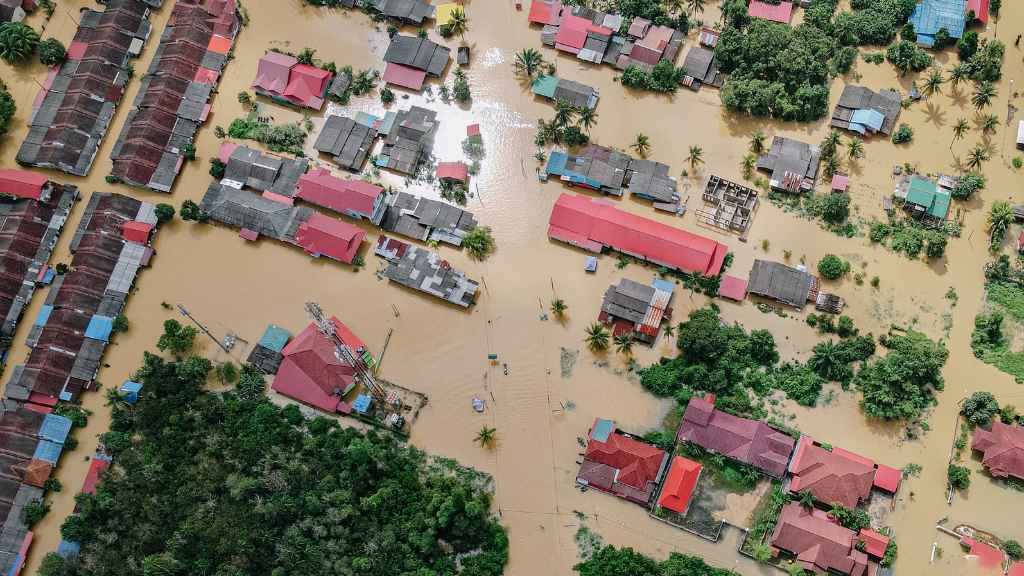
Sri Lanka post-default fiscal track is expected to face renewed pressure as Cyclone Ditwah imposes heavy recovery costs. Moody’s cautions that the nation’s consolidation efforts may slow as resources shift toward disaster response. The economic strain is likely to influence multiple sectors.
Cyclone Ditwah threatens Sri Lanka post-default fiscal track, warns Moody’s
Sri Lanka’s ongoing efforts to strengthen its post-crisis economic footing are poised for new challenges as Cyclone Ditwah amplifies fiscal pressures across the country. According to Moody’s Ratings, the Sri Lanka post-default fiscal track may experience notable setbacks due to the unexpected surge in public expenditure dedicated to repairing widespread damage caused by the severe storm. Although the government remains committed to the International Monetary Fund program and its structural reforms, the rating agency underscores that the additional burden of disaster-related spending will inevitably slow the country’s consolidation trajectory.
Cyclone Ditwah carved a path of destruction across the island, severely impacting essential infrastructure and disrupting economic activity in multiple regions. Road networks, bridges, rail lines and power grids suffered significant damage, leading to a nationwide slowdown in logistics, transport and industrial operations. Critical disruptions in power supply further intensified the economic strain, as businesses and manufacturing facilities grappled with prolonged outages and operational delays. The storm’s widespread footprint has created immediate reconstruction needs that demand substantial fiscal resources at a time when the government had been working to narrow deficits and strengthen revenue performance.
Moody’s notes that beyond the direct damage to physical infrastructure, the storm’s impact on critical economic sectors is a major concern. Tourism, already a fragile segment in the aftermath of the economic crisis, faced cancellations, transport disruptions and damage to coastal assets. Agriculture, which supports a significant portion of the country’s workforce, experienced crop losses, soil erosion and facility damage across multiple provinces. Manufacturing also encountered supply chain interruptions, reduced output and logistical bottlenecks. These combined effects signal broader consequences for employment, household incomes and sectoral recovery, placing additional pressure on fiscal planning and macroeconomic stability.
The rating agency contextualizes Sri Lanka’s situation within a broader regional trend of severe climate events affecting South and Southeast Asia. Nations such as Indonesia, the Philippines and Vietnam have all experienced heightened exposure to typhoons and depressions this year. While these countries face similar climate-related risks, Sri Lanka is in a more vulnerable fiscal position due to its limited capacity to absorb external shocks. Moody’s highlights that Sri Lanka’s restricted budgetary space makes it more susceptible to climate-driven setbacks than its regional counterparts with stronger balance sheets and more flexible fiscal buffers.
Another dimension underscored by Moody’s is governance capacity, which plays a central role in mitigating climate-related and economic risks. According to the rating agency, both Sri Lanka and Vietnam share governance issuer profile scores of 4, reflecting elevated exposure to governance-related vulnerabilities. Although Sri Lanka has undertaken significant reforms under the IMF-supported program, further improvements in institutional effectiveness, transparency and long-term resilience planning are essential to strengthening its climate and economic risk management capabilities. Governance quality often correlates with a country’s ability to respond effectively to natural disasters, allocate resources efficiently and build long-term protective infrastructure.
The expected slowdown in fiscal consolidation arises from a combination of higher spending obligations and reduced economic activity in key sectors. As the government channels funds into reconstruction, rehabilitation and emergency operations, planned consolidation targets may require adjustments. Revenue streams associated with tourism, agriculture and manufacturing could experience short-term declines, further narrowing the fiscal space needed for structural reforms. Recovery timelines for these sectors will significantly influence the country’s broader economic outlook and its ability to meet fiscal benchmarks established under IMF commitments.
Despite these challenges, Sri Lanka continues to reaffirm its commitment to the IMF program, maintaining focus on medium-term objectives such as revenue enhancement, public sector restructuring and debt optimization. However, Moody’s warns that the pace of progress may fluctuate as the immediate demands of rebuilding take precedence. The storm’s economic fallout underscores the importance of integrating climate resilience into national fiscal planning, especially for countries with limited fiscal capacity.
As Sri Lanka navigates the dual pressure of economic recovery and climate vulnerability, the government’s ability to balance long-term reforms with short-term disaster spending will be critical. The nation’s fiscal path will depend on effective governance, transparent policy implementation and targeted support for the most affected sectors. Moody’s assessment suggests that while the country remains on track with its reform commitments, the road ahead may be more turbulent as external shocks continue to test the resilience of its fiscal framework.