

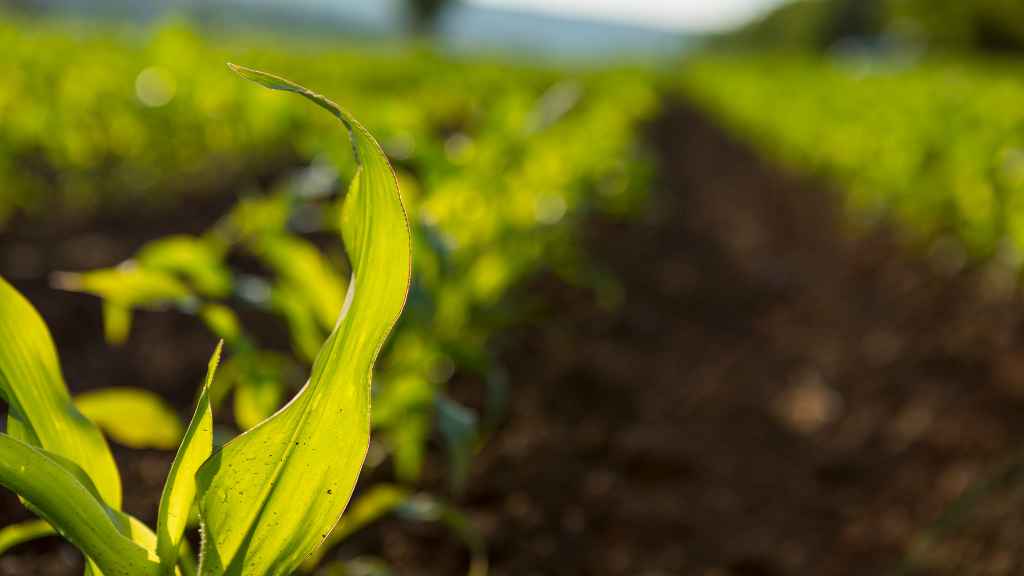
Sri Lanka secures €8 million EU grant to strengthen sustainable agriculture across rubber-growing regions, advancing green economic growth while promoting inclusive practices that engage youth and women in environmentally responsible farming.
EU grant supports Sri Lanka sustainable agriculture for green economic growth
Sri Lanka has successfully secured a €8 million grant from the European Union to advance sustainable agriculture, marking a significant step toward environmentally responsible farming and green economic growth. The Cabinet of Ministers approved the financial grant agreement on Monday, formally authorizing the implementation of the “Agri-Green Initiatives for Green Economic Growth through Sustainable Agricultural Initiatives” project.
The project, jointly prepared by the Plantation and Community Infrastructure Facilities Ministry, the Department of Rubber Development, and the Rubber Research Institute, will focus on promoting sustainable agricultural practices across key rubber-producing regions, including the Western, Sabaragamuwa, Uva, Eastern, Southern, Central, and North-Central Provinces. These regions have historically contributed significantly to Sri Lanka’s agricultural output, making them strategic for advancing eco-friendly and sustainable cultivation methods.
Under the initiative, the German International Cooperation (GIZ) has been appointed as the primary implementing authority, ensuring international expertise and best practices guide the project. GIZ’s involvement emphasizes the collaborative nature of this effort, combining global experience with local knowledge to deliver impactful outcomes for Sri Lanka’s agricultural sector.
The project aims to strengthen Sri Lanka’s transition toward a green economy by promoting sustainable production and consumption practices. This includes reducing the environmental footprint of agriculture, enhancing soil and water conservation, and introducing climate-resilient cultivation techniques. By integrating eco-friendly methodologies, the program seeks to improve food security while fostering sustainable livelihoods for farmers and communities across the country.
Special attention will be given to youth and women, empowering these groups to actively participate in sustainable production chains. By engaging younger generations and female farmers, the project encourages inclusive growth, skill development, and economic participation, ensuring that the benefits of green agricultural initiatives are widely distributed.
President Anura Kumara Dissanayake, in his capacity as the Finance, Planning, and Economic Development Minister, presented the proposal, highlighting the project’s alignment with national strategies for sustainable development. The initiative not only supports environmentally responsible farming but also contributes to long-term economic resilience by fostering value-added agricultural practices and strengthening rural economies.
The EU grant is expected to catalyze several complementary activities, including capacity building for farmers, technology transfer, and the introduction of sustainable agricultural standards. Training programs will focus on modern rubber cultivation techniques, eco-friendly pest management, and sustainable harvesting practices, ensuring farmers can maintain productivity while minimizing ecological impacts.
This funding also reinforces Sri Lanka’s commitment to international partnerships for sustainable development. By collaborating with the European Union and leveraging the expertise of GIZ, the country can implement internationally recognized sustainability standards and contribute to global climate goals while addressing local environmental challenges.
In addition to environmental benefits, the project will enhance economic opportunities for communities dependent on agriculture. Inclusive participation ensures that women and youth can access financial support, training, and market linkages, boosting income generation while maintaining ecological balance. This approach is expected to create a sustainable model of rural development that integrates social, economic, and environmental objectives.
The “Agri-Green Initiatives” project sets a precedent for future agricultural programs, demonstrating how strategic funding, international collaboration, and inclusive policies can drive transformative change in the sector. By combining financial support, technical expertise, and community engagement, Sri Lanka aims to strengthen the resilience of its agriculture, promote food security, and advance the nation’s green economic agenda.
With the grant officially approved, stakeholders are now moving forward with detailed planning and implementation. The collaborative efforts of government ministries, research institutes, and international partners ensure that the €8 million EU funding will be effectively utilized to achieve measurable outcomes in sustainable agriculture.
The initiative represents a milestone in Sri Lanka’s commitment to sustainable development, signalling both local and international communities that the country is ready to embrace innovative, inclusive, and environmentally responsible agricultural practices. By aligning economic growth with ecological stewardship, Sri Lanka positions itself as a regional leader in sustainable farming and green development.