

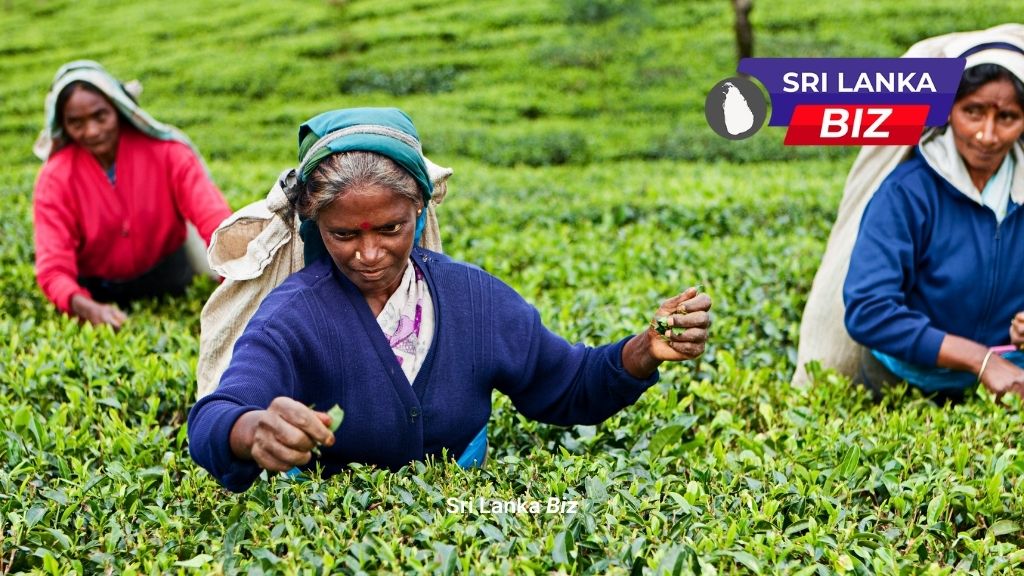
Sri Lanka tea exports fell sharply in July 2026, with volumes dropping 15.1 percent year-on-year as packeted and bulk tea shipments weakened, extending the decline recorded during the first seven months of the year.
Sri Lanka tea exports decline as packeted and bulk shipments fall sharply in July 2026
Data compiled by Forbes & Walker Research from Sri Lanka Customs figures showed that total tea exports fell to 20.41 million kilograms in July, from 24.04 million kilograms in the same month of 2025. The decline amounted to 3.63 million kilograms and was spread across most major export categories.
Packeted tea, Sri Lanka’s largest export category during the month, recorded a notable contraction. Shipments fell to 8.92 million kilograms from 10.77 million kilograms a year earlier. Bulk tea exports also declined, dropping to 8.59 million kilograms from 10.16 million kilograms.
Tea bag exports eased to 2.16 million kilograms from 2.24 million kilograms, while green tea shipments declined to 0.39 million kilograms from 0.56 million kilograms. Instant tea was the only major category to buck the broader downward trend, with exports increasing to 0.35 million kilograms from 0.30 million kilograms.
The decline in tea export volumes came despite an improvement in the average free-on-board (FOB) price when measured in Sri Lankan rupees. The average FOB value increased to Rs. 1,921.95 per kilogram in July, compared with Rs. 1,766.51 a year earlier. This represented an increase of Rs. 155.44 per kilogram.
However, the picture was different when prices were measured in US dollars. The average FOB value declined to US$5.72 per kilogram from US$5.87, indicating that the increase recorded in rupee terms was partly influenced by currency movements.
Green tea was the only export category to record an increase in its average FOB value in US dollar terms during July. The difference between rupee and dollar pricing highlights the importance of exchange-rate movements when assessing the underlying performance and competitiveness of Sri Lankan tea in international markets.
The July setback also weakened the industry’s cumulative performance. During the first seven months of 2026, Sri Lanka tea exports declined 4.9 percent to 143.51 million kilograms, compared with 150.85 million kilograms during the corresponding period of 2025.
Packeted tea accounted for a substantial share of the cumulative decline. Shipments during January to July fell by 4.69 million kilograms to 63.89 million kilograms. Bulk tea exports declined by a further 2.73 million kilograms to 59.92 million kilograms.
Tea bag and green tea shipments also recorded declines during the seven-month period. In contrast, instant tea continued to perform positively, with exports increasing by 479,020 kilograms to 2.43 million kilograms.
Export pricing provided some support during the period. The cumulative average FOB value increased in rupee terms to Rs. 1,826.16 per kilogram from Rs. 1,748.51 a year earlier. Yet, once again, the dollar-based measure moved in the opposite direction, falling to US$5.70 per kilogram from US$5.86.
All major export categories other than instant tea recorded higher average FOB values in rupee terms during the January-July period. In US dollar terms, green tea remained the only category to record an increase.
Destination markets also presented a mixed picture for the Sri Lanka tea industry. Türkiye emerged as the country’s largest tea export destination during the first seven months, with shipments reaching 24.76 million kilograms. This represented a substantial 138 percent increase from the 10.40 million kilograms recorded a year earlier.
Iraq remained the second-largest destination despite a 36 percent decline in shipments to 14.42 million kilograms. Russia ranked third, with exports increasing 2.6 percent to 13.35 million kilograms.
Azerbaijan recorded particularly strong growth, with shipments rising 49 percent to 7.14 million kilograms, placing it fourth among Sri Lanka’s tea export destinations. China followed with 5.59 million kilograms, although shipments to the market declined 8 percent from the previous year.
Libya recorded one of the steepest declines among major markets, with exports plunging 58 percent to 5.41 million kilograms.
Jordan, Chile, Saudi Arabia and Syria completed the top 10 destinations during the period, demonstrating the continued geographic reach of Sri Lankan tea despite the overall contraction in volumes.
The latest figures underline the challenges facing Sri Lanka’s traditional tea export model. While higher rupee-denominated prices are providing some support to exporters, declining physical volumes and weaker dollar-denominated prices point to pressure on export performance.
For Sri Lanka tea exports, the ability to strengthen higher-value categories, diversify destination markets and improve dollar-based returns will remain important as exporters navigate changing global demand and currency conditions. The July figures suggest that maintaining export earnings will increasingly depend not only on volumes, but also on the value generated from each kilogram shipped.