

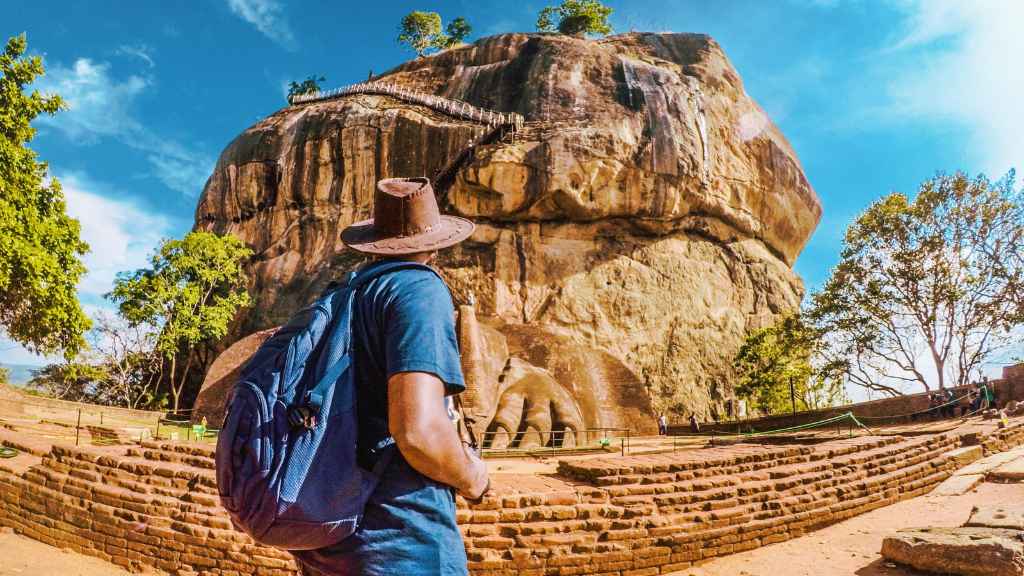
Sri Lanka Tourism ramps up Bangladesh outreach with first-ever Dhaka roadshow as authorities intensify efforts to capture a growing outbound travel market and strengthen bilateral tourism ties through targeted engagement and partnerships.
Sri Lanka Tourism ramps up Bangladesh outreach with first-ever Dhaka roadshow push
Sri Lanka Tourism ramps up Bangladesh outreach with first-ever Dhaka roadshow in a strategic move aimed at diversifying its tourist base and strengthening its presence in emerging regional markets. The initiative, led by the Sri Lanka Tourism Promotion Bureau (SLTPB) in collaboration with the Sri Lankan High Commission in Bangladesh, marks a calculated effort to position Sri Lanka as a preferred destination for Bangladeshi travellers.
Held on April 5 and 6 in Dhaka, the two-day engagement combined media outreach with direct business-to-business (B2B) interactions, reflecting a dual-channel strategy to influence both demand generation and distribution networks. The media networking session attracted 35 leading Bangladeshi journalists, creating a platform to shape destination perception, increase visibility, and communicate Sri Lanka’s tourism value proposition to a wider audience.
The strong participation and active engagement during the press conference indicate a growing curiosity among Bangladeshi travelers about Sri Lanka’s offerings. This is particularly relevant in the context of shifting travel patterns in South Asia, where short-haul destinations are gaining traction due to cost efficiency, convenience, and cultural familiarity. By targeting media stakeholders, Sri Lanka Tourism aims to amplify its brand narrative and generate organic demand through editorial coverage and digital content.
On the commercial front, the B2B roadshow served as a critical mechanism for building industry linkages. A total of 147 Bangladeshi travel agents engaged with 19 Sri Lankan tourism companies, facilitating direct dialogue on packages, pricing, and partnership opportunities. These interactions are expected to translate into tangible business outcomes, including increased tour bookings and collaborative marketing initiatives. The scale of participation underscores the potential of Bangladesh as an underpenetrated yet promising source market.
The significance of Sri Lanka Tourism ramps up Bangladesh outreach with first-ever Dhaka roadshow extends beyond immediate promotional gains. It reflects a broader strategic shift toward market diversification. Traditionally reliant on European and Western турист markets, Sri Lanka is increasingly recognizing the importance of regional travelers in ensuring stability and resilience. Markets such as Bangladesh offer several advantages, including geographic proximity, lower travel costs, and a growing middle class with rising disposable income.
Year-to-date figures further highlight the opportunity. Approximately 12,120 Bangladeshi nationals have visited Sri Lanka, accounting for around 2% of total arrivals. While this share remains modest, the growth potential is substantial given Bangladesh’s expanding outbound travel segment. By establishing early engagement and building brand familiarity, Sri Lanka positions itself to capture a larger share of this market in the coming years.
Connectivity also plays a pivotal role in this strategy. The participation of national carriers SriLankan Airlines and FitsAir in the roadshow signals a coordinated approach to strengthening air links between the two countries. Improved connectivity not only enhances accessibility but also supports competitive pricing, which is a key determinant of travel decisions in price-sensitive markets. Collaborative efforts between airlines and tourism stakeholders can further streamline travel experiences and improve overall market attractiveness.
The involvement of high-level stakeholders added strategic weight to the initiative. Representatives from both countries, including tourism authorities and industry associations, contributed to a comprehensive dialogue on expanding bilateral tourism flows. Such institutional engagement is critical for addressing structural barriers, aligning promotional efforts, and fostering long-term partnerships.
Importantly, Sri Lanka Tourism ramps up Bangladesh outreach with first-ever Dhaka roadshow also highlights the evolving role of destination marketing. Modern tourism promotion is no longer limited to advertising campaigns; it requires integrated strategies that combine media engagement, industry collaboration, and policy support. By leveraging multiple touchpoints, Sri Lanka aims to create a cohesive and compelling narrative that resonates with diverse traveler segments.
Looking ahead, sustaining momentum will be crucial. Continued engagement through follow-up events, digital campaigns, and joint marketing initiatives will be necessary to convert initial interest into sustained visitor growth. Additionally, tailoring tourism products to the preferences of Bangladeshi travelers—such as family-friendly packages, cultural experiences, and affordable luxury options—can further enhance market penetration.
The initiative ultimately reflects a proactive approach to navigating an increasingly competitive global tourism landscape. As destinations vie for attention in a crowded market, targeted outreach and relationship-building become essential differentiators. By investing in emerging markets like Bangladesh, Sri Lanka is not only expanding its турист base but also building resilience against external shocks that may affect traditional source markets.