

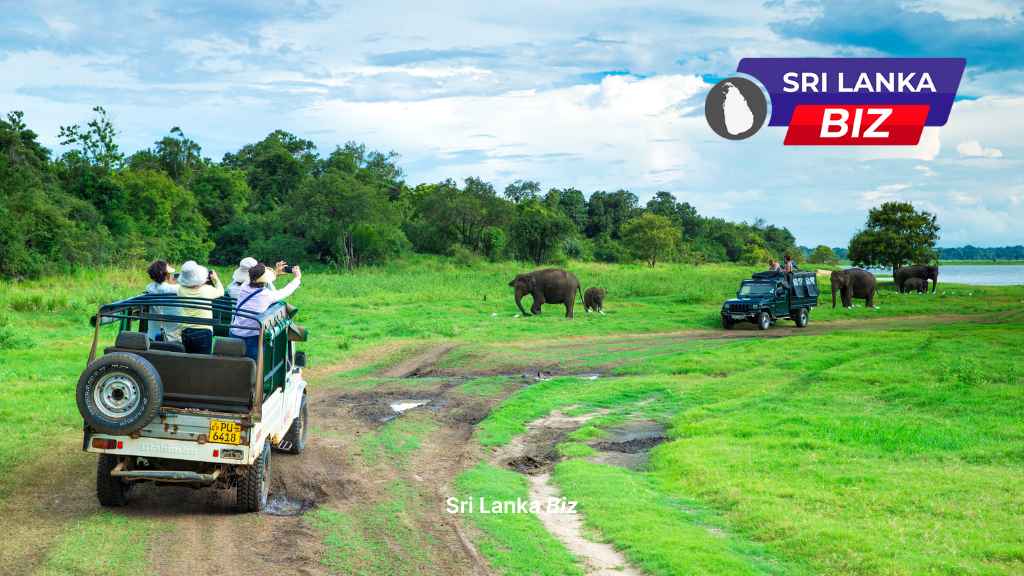
The Sri Lanka tourist arrivals alert reflects a sharp decline in early-December numbers, driven largely by disruptions following Cyclone Ditwah. Tourism authorities, however, anticipate a recovery after mid-December as key destinations reopen and stabilise.
Early-December data shows a decline as the Sri Lanka tourist arrivals alert prompts industry reassurances
Sri Lanka’s tourism sector has experienced a notable setback in the first eight days of December, with official data confirming a decline in average daily foreign visitors following the impact of Cyclone Ditwah. The disaster, which caused severe flooding, landslides, and widespread damage while claiming more than 600 lives, has temporarily disrupted travel patterns during what is traditionally one of the island’s strongest months for international tourism. The Sri Lanka tourist arrivals alert issued by authorities underscores the industry’s concerns, even as officials maintain confidence about a near-term rebound.
According to the Sri Lanka Tourism Development Authority, the average number of daily visitors during the first week of December dropped to 6,278. This marks a 21.7 percent decline compared to the daily average recorded across the full month of December last year, which stood at 8,019. The early-December figure is also 11.5 percent lower than the average recorded in November, indicating a short-term dip linked directly to the aftermath of the cyclone. Despite the downturn, industry leaders stress that the disruption is temporary and that key tourist destinations have resumed normal operations.
Tourism officials have highlighted that many cancellations occurred immediately after the cyclone, as travellers reviewed safety conditions and transport availability across affected regions. The central highlands, encompassing the popular districts of Kandy and Nuwara Eliya, saw some of the most significant damage, impacting both infrastructure and visitor confidence during the initial post-disaster period. These areas typically attract thousands of seasonal visitors, especially during the country’s peak tourism window from mid-November to mid-March.
Despite the short-term decline, there are signs of resilience within the broader market. A total of 50,222 foreign visitors arrived in Sri Lanka during the first eight days of December, representing a 6.5 percent year-on-year increase compared to the same period in the previous year. This indicates that while daily averages have been temporarily affected, overall travel interest in Sri Lanka remains strong. Industry representatives from the Inbound Tourists Association have expressed confidence that visitor numbers will rise after December 15, once travel conditions fully stabilise and broader recovery measures take effect.
Authorities have emphasised that major tourism attractions are operating as normal following rapid clean-up and restoration efforts. Hotels, tour operators, and transport providers have resumed full services, and promotional campaigns are underway to reassure travellers planning year-end and early-2026 trips. Officials say cancellations remain limited to around one percent, suggesting that overall confidence remains intact despite the initial slowdown. The Sri Lanka tourist arrivals alert is therefore being framed as a temporary caution rather than a signal of long-term industry challenges.
Sri Lanka’s tourism industry remains a critical pillar of the economy, ranking as the country’s third-largest source of export revenue after remittances and garment manufacturing. The sector contributes approximately three percent to national GDP and supports hundreds of thousands of direct and indirect jobs across hospitality, transport, retail, and related services. As such, maintaining momentum during the peak seasonal months is considered essential for the country’s broader economic stability.
Long-term performance indicators remain encouraging. Between January 1 and December 8 of this year, Sri Lanka recorded 2,153,815 tourist arrivals, surpassing the full-year total of 2,053,465 achieved in 2024. This milestone reinforces the industry’s recovery trajectory after years of pandemic-related disruptions and subsequent economic challenges. Tourism stakeholders expect this upward trend to continue, especially as global travel demand strengthens and Sri Lanka promotes new products and destination experiences.
Industry analysts argue that timely communication, robust safety assurance, and clear updates on accessibility will play a key role in reviving momentum throughout December. The combination of restored infrastructure, improved transport links, and transparent messaging is expected to encourage travellers who postponed or reconsidered their plans in the immediate aftermath of the cyclone. With peak-season demand typically rising sharply in the final two weeks of December, the outlook remains cautiously optimistic.
As the country works to strengthen resilience against natural disasters, stakeholders in both public and private sectors are calling for continued investment in early-warning systems, sustainable tourism development, and crisis-response protocols. These measures, they argue, are crucial to safeguarding the long-term stability of a sector that remains vital to national progress. For now, the emphasis is on rebuilding visitor confidence and ensuring a smooth rebound as the season continues.