

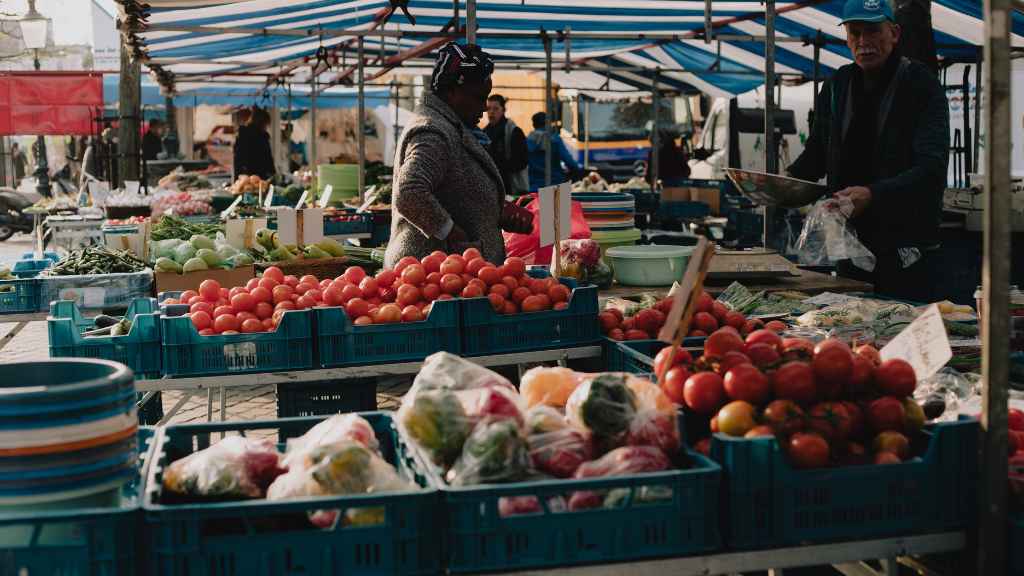
Sri Lanka’s vegetable prices have fallen sharply at the Dambulla fresh produce market after a temporary spike caused by Cyclone Ditwah. Farmers rushed to bring in supplies, leading to a surge in market availability and a sharp drop in prices. This sudden swing highlights the fragile balance between supply, demand, and market regulation in the country’s agricultural sector.
Oversupply drives Sri Lanka vegetable prices down as market normalizes post-Cyclone Ditwah
Vegetable prices in Sri Lanka have collapsed following a brief spike caused by Cyclone Ditwah, as farmers transported large quantities to the main fresh produce exchange in Dambulla. High prices earlier had incentivized farmers to harvest early and transport vegetables despite logistical challenges. As roads reopened in the hill country, the flood of produce quickly pushed prices down.
Traders reported dramatic price swings. Green chillies fell from 1,000 rupees per kilogram to 100 rupees, eggplant was 300 rupees, and carrots dropped from 5,000 rupees to 750 rupees per kilogram. Market participants attributed the decline to an oversupply of vegetables and insufficient buyers, demonstrating how quickly market forces respond once transport routes reopen.
Vegetables in Sri Lanka are mostly grown on high ground, while rice cultivation occurs in inundated lowlands. Cyclone Ditwah caused widespread destruction of newly sown paddy fields, and many hill country vegetables had been isolated from markets due to blocked roads and landslides. “In the last couple of days prices were high because there were no supplies. Today prices are normal,” a local shop owner noted.
The situation also highlights the role of government regulation. The Consumer Affairs Authority (CAA) has historically imposed price controls that disrupted agricultural markets, causing financial strain on farmers and transporters. During the COVID-19 pandemic and economic crises, such interventions forced poultry farmers to cull layer and broiler flocks, while collectors and hatcheries suffered losses. Industry observers warn that the CAA could again interfere with prices, potentially destabilizing recovery in flood-affected areas.
The recent price collapse underscores the vulnerability of Sri Lanka’s agricultural supply chains to extreme weather events and regulatory actions. It also emphasizes the importance of efficient market mechanisms to stabilize prices and maintain food security. While short-term spikes and collapses are common after natural disasters, sustainable agricultural policies and resilient logistics are essential to prevent prolonged market disruptions.