

Before sunrise on Sri Lanka’s coastline, the landscape can appear almost untouched. Waves move quietly along the shore, marine life returns to the water and, on some mornings, turtles complete one of nature’s oldest rituals by returning to the sea after nesting. Protecting these environments has become an increasingly important part of the responsibility carried by businesses that depend on the island’s natural beauty.
Sun Siyam Care is helping Sun Siyam Resorts connect hospitality with the long-term protection of Sri Lanka’s reefs, forests, elephants and surrounding communities.
Before sunrise on Sri Lanka’s coastline, the landscape can appear almost untouched. Waves move quietly along the shore, marine life returns to the water and, on some mornings, turtles complete one of nature’s oldest rituals by returning to the sea after nesting. Protecting these environments has become an increasingly important part of the responsibility carried by businesses that depend on the island’s natural beauty.
For Sun Siyam Resorts, that responsibility is expressed through Sun Siyam Care, the group’s sustainability platform covering environmental protection, community development, responsible sourcing and conservation initiatives across its properties.
The programme has developed from the recognition that sustainable tourism involves more than reducing a hotel’s environmental footprint. It also requires businesses to consider the health of the ecosystems, communities and wildlife that make destinations attractive to visitors in the first place.
Marine conservation is one of the most visible elements of this approach, particularly at Sun Siyam’s island and coastal resorts. Turtle nesting and hatchling release programmes, coral restoration and reef monitoring initiatives provide opportunities to support fragile marine ecosystems while allowing guests to better understand the environments surrounding their accommodation.
Beach clean-ups, efforts to reduce plastic use and collaboration with marine specialists further extend that work. For Sri Lanka, where coastal communities depend heavily on the ocean for livelihoods and tourism remains closely linked to beaches and marine attractions, maintaining healthy coastal ecosystems carries both environmental and economic significance.
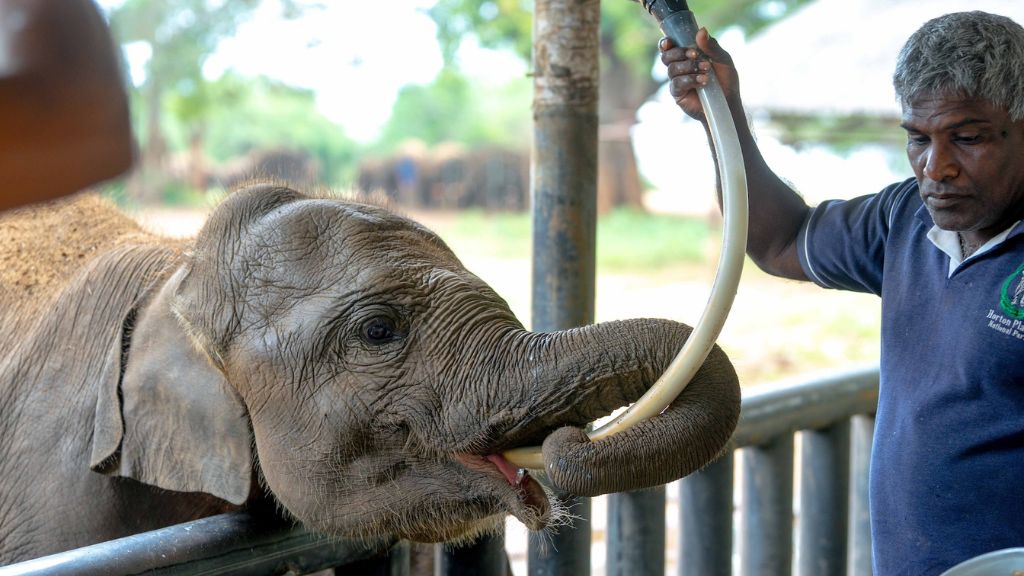
The group’s conservation efforts also extend inland, particularly through its involvement in the carePhant Project. Sri Lanka’s Asian elephant population faces growing pressure from habitat loss and the expansion of human activity into traditional wildlife areas. The resulting human elephant conflict remains one of the country’s most complex conservation challenges.
Sun Siyam’s support for the carePhant Project focuses on work intended to encourage safer coexistence between elephants and communities living close to their traditional corridors. Such efforts depend on sustained monitoring, community engagement, education and cooperation with conservation organisations and local authorities.
The approach reflects a broader understanding of conservation. Protecting wildlife is not simply about individual animals; it also involves safeguarding habitats and addressing the circumstances that bring people and wildlife into conflict.
Earlier this year, Sun Siyam achieved Travelife Gold certification, an international sustainability benchmark covering areas including environmental management, energy and water use, labour practices and community impact. The certification provides an external measure of the systems supporting the group’s sustainability efforts.
For the hospitality sector, such standards are increasingly relevant as travellers, investors and business partners pay closer attention to how tourism companies manage environmental and social responsibilities. Certification alone, however, does not determine the long-term impact of a sustainability programme. Consistent implementation across operations is what ultimately determines whether commitments translate into measurable outcomes.
Community engagement is therefore another important component of Sun Siyam Care. The group’s activities include local employment, skills development and partnerships involving village schools, artisans and smaller suppliers located around its resorts.
This model places surrounding communities closer to the centre of the tourism business. Rather than viewing local communities solely as recipients of charitable assistance, the approach recognises that their economic wellbeing is connected to the long-term health and resilience of the destinations where resorts operate.
Responsible sourcing similarly brings sustainability into areas of the business that guests may rarely notice. Supplier selection, waste management and operational practices can have a cumulative effect, particularly across a large hospitality portfolio.
That behind-the-scenes work is perhaps the less visible side of sustainable tourism. There are no dramatic photographs attached to many of these activities and no single initiative can resolve the environmental pressures facing Sri Lanka. Progress instead depends on systems, partnerships and decisions that are repeated consistently over time.
World Elephant Day provided an opportunity to highlight these issues, but the broader challenge extends well beyond a single awareness event. Sri Lanka’s natural heritage supports tourism, local livelihoods and biodiversity, while its protection requires participation from businesses, communities, government institutions and conservation organisations.
For Sun Siyam Resorts, Sun Siyam Care represents an effort to make that responsibility part of the operating model rather than a short-term campaign. Its focus on marine conservation, wildlife protection, community partnerships and responsible business practices reflects a longer-term proposition: that the future of hospitality in Sri Lanka is inseparable from the future of the natural environments and communities on which it depends.