

Sun Siyam Pasikudah is emerging as a distinctive wellness retreat on Sri Lanka’s eastern coast, combining Ayurvedic traditions, secluded beaches and personalised experiences as global demand for wellness travel accelerates in 2026.
Sun Siyam Pasikudah taps Sri Lanka’s growing wellness tourism appeal from a quieter eastern coast
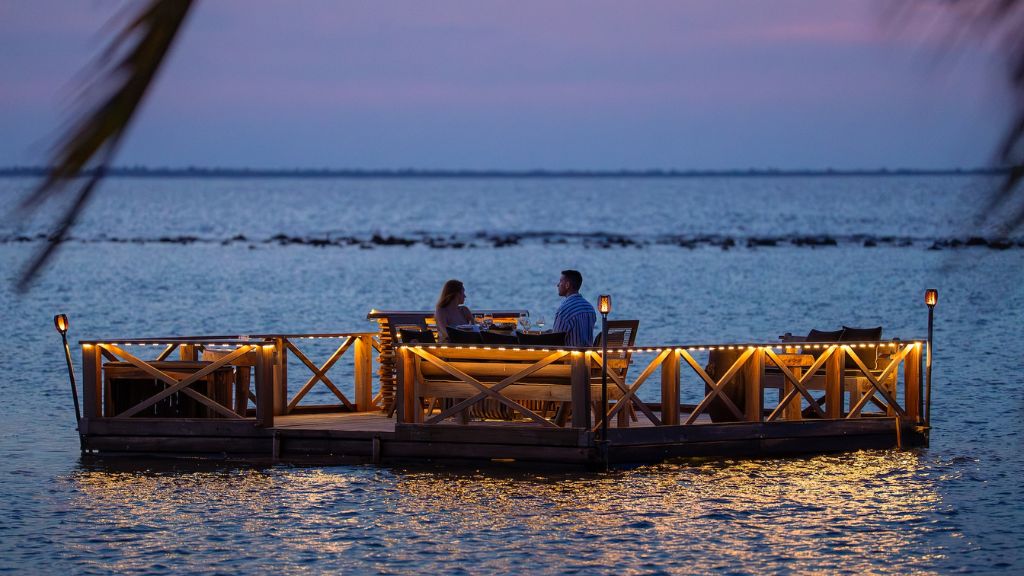
Located on the sheltered shores of Pasikudah, the resort offers a different interpretation of luxury tourism from the busier beach destinations associated with Sri Lanka. Its setting, characterised by white sand, calm waters and a relatively low-density coastal environment, has become an important part of its appeal.
The timing coincides with growing international interest in Sri Lanka as a wellness destination. According to the State of Retreats 2026 Report by BookRetreats.com, highlighted by TimeOut Asia, Sri Lanka recorded a 100% increase in global demand for wellness travel and ranked as the world’s top trending wellness travel destination for the year.
The wider wellness market is also expanding rapidly. A survey of 1,040 American travellers found that 49% planned to spend on wellness retreats in 2026, placing retreats ahead of categories such as spa treatments, supplements and gym memberships. Meanwhile, the Global Wellness Institute projects the global wellness tourism industry will reach US$1.4 trillion by 2027.
For Sri Lanka, the opportunity is supported by a long-established tradition rather than a newly created tourism proposition. The island’s Ayurvedic practices, including doctor-led approaches to holistic wellbeing, have developed over more than 2,000 years. That heritage gives the country a distinctive foundation as international travellers increasingly look for experiences centred on restoration, mindfulness and health.
Against this backdrop, Sun Siyam Pasikudah provides a particularly quiet expression of the trend. Part of the Sun Siyam Privé Collection, the resort comprises 34 suites located across garden and beachfront pavilions. Its design places emphasis on space and privacy, using warm timber, woven details and bold monochromatic interiors rather than an overtly decorative approach.
Several suites incorporate outdoor bathrooms and private plunge pools, while terraces overlook the surrounding coastline. A coral reef located offshore also gives guests relatively easy access to marine experiences, including snorkelling, adding another dimension to the resort’s connection with its natural surroundings.
The character of Pasikudah itself is central to the experience. Unlike some of Sri Lanka’s more heavily developed southern beach destinations, the eastern coast has retained a quieter atmosphere. Fishing communities, lagoons and coastal ecosystems remain closely connected to everyday life, while the sheltered bay is known for its calm waters during much of the year.
For a property positioned around wellness, that environment becomes more than a backdrop. The relative absence of urban noise and dense tourism development creates the conditions for a slower pace, allowing guests to structure their days around the coast rather than a fixed sightseeing itinerary.
Wellness at the resort is consequently built around rhythm and personalisation. Guests can begin their mornings with a beach walk or sunrise practice before moving into treatments at the property’s boutique spa. Ayurvedic programmes begin with a consultation with the resident doctor, allowing treatments to be tailored according to individual needs.
The spa menu includes treatments such as hot oil hair therapies, Ayurvedic hand massages and herbal soaks, alongside lymphatic drainage, Thai massage and body treatments. Guests can also use facilities including a hydrotherapy area, steam room, sauna and plunge pools when booking treatments.
The approach reflects a broader shift in Sri Lanka wellness tourism, where the emphasis is increasingly moving beyond conventional spa experiences towards programmes that combine traditional practices, nature and a stronger sense of place.
That philosophy extends into the resort’s food and cultural experiences. Cooking sessions allow guests to work alongside local cooks and resort chefs to prepare coconut-based curries, offering an introduction to regional ingredients and traditional techniques. Rather than simply observing a demonstration, guests participate in the preparation process and explore the balance of spice, acidity and richness characteristic of Sri Lankan cuisine.
Beyond the property, curated excursions connect visitors with the wider eastern region. Experiences can include visits to national parks, UNESCO heritage sites and fishing communities, providing opportunities to explore landscapes and traditions that remain relatively removed from mass tourism.
For Sun Siyam Pasikudah, the combination of wellness, privacy and location places the resort within a broader transformation in how travellers define luxury. Increasingly, luxury is associated not only with facilities or exclusivity, but also with time, space and experiences that feel authentic to their surroundings.
The resort’s position in Pasikudah gives it an advantage in this regard. The eastern coast can provide the sense of distance and quiet that wellness travellers increasingly seek, while Sri Lanka’s established Ayurvedic heritage adds depth to the experience.
The country’s growing international recognition as a wellness destination could further strengthen demand for properties that can connect traditional practices with contemporary hospitality. With wellness tourism becoming an increasingly significant part of the global travel economy, Sri Lanka has an opportunity to compete through authenticity as much as through infrastructure.
For travellers seeking a slower alternative to conventional beach holidays, Sun Siyam Pasikudah presents that proposition from one of Sri Lanka’s quieter coastal settings. Its combination of Ayurvedic treatments, nature, local culture and understated luxury reflects a tourism model in which the destination itself becomes part of the restorative experience.
As global wellness travel continues to evolve, Sri Lanka’s eastern coast may increasingly move from being an overlooked corner of the island to a destination in its own right. Pasikudah’s relative tranquillity, combined with the country’s longstanding wellness traditions, gives the region a compelling foundation for that next phase of tourism.