

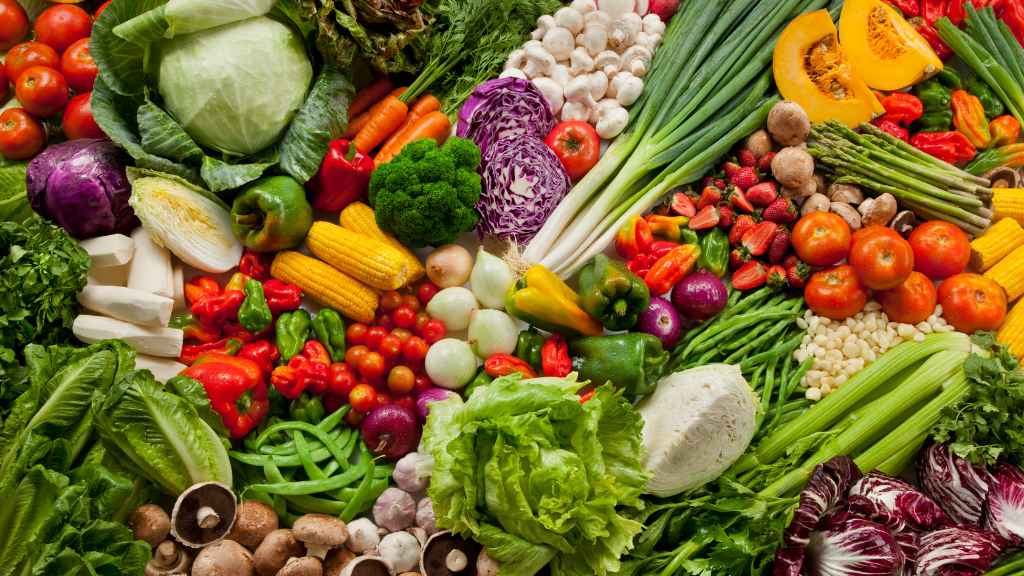
Vegetable demand in Sri Lanka has slumped in the aftermath of Cyclone Ditwah, as damaged crops and disrupted distribution chains affect supply. Farmers and markets are struggling to adjust while prices fluctuate across the country.
Sri Lanka faces vegetable market slowdown as Cyclone Ditwah disrupts production and sales
The aftermath of Cyclone Ditwah has hit Sri Lanka’s vegetable market hard, with demand collapsing despite lingering supplies. While initial prices surged due to transportation disruptions, a rapid decline followed once roads reopened and retail channels remained partially inactive.
In the Nuwara Eliya District, a key vegetable-growing region, 1,421 hectares of crops were damaged by floods, according to the Deputy Director of the Department of Agriculture. The area typically maintains around 6,000 hectares under cultivation annually, with a seasonal target of 8,085 hectares. The recent losses represent roughly 20 to 30 percent of expected production.
“The problem now is not supply but demand,” the Deputy Director explained in a televised briefing. “Yesterday, only 72,000 kilos left the area, compared with 150,000 kilos on a typical day. Retail markets in coastal cities are not fully operational, so prices are falling.”
Current prices illustrate the situation: carrots and leeks are being sold at 200 rupees per kilo, while cabbage is down to 130 rupees per kilo. Although production remains substantial, the inability of urban markets to absorb these vegetables has left farmers in a precarious position.
President Anura Kumara Dissanayake, who visited Nuwara Eliya to assess the situation, inquired whether transportation issues were still limiting distribution. Officials clarified that road access had largely normalized, pointing instead to the slow reopening of retail markets and limited consumer mobility in flood-affected areas.
Unlike Dambulla, an economic hub for vegetables where commission-agent–based auctions operate efficiently, other regions lack established mechanisms to quickly channel produce to markets. December and January usually see a seasonal price increase for vegetables, with another peak in June and July. However, this year prices remain near normal levels due to the combined impact of the cyclone and restricted market activity.
The broader context highlights the scale of Cyclone Ditwah’s disruption. By December 8, around 611,000 families, or close to two million people, were affected by the disaster, according to Sri Lanka’s Disaster Management Centre. Many were displaced to temporary shelters or relatives’ homes, while others focused on cleaning and restoring their properties.
The situation has also affected domestic and foreign tourism, both of which were already sensitive to environmental conditions. Domestic tourism has nearly stalled, while foreign arrivals are down approximately 20 percent compared to the previous year. Market closures, reduced retail activity, and the mobilization of people for relief efforts have collectively contributed to subdued sales in multiple sectors.
Village wet markets, or pola, were largely inactive immediately following the cyclone, further reducing consumer access to fresh vegetables. While urban supermarkets saw some items like dry rations and bottled water quickly bought up—largely for donation to affected families—other retail categories reported declines in regular sales.
Experts and local officials suggest conditions could improve as recovery progresses. As people return to daily routines and transportation systems fully stabilize, vegetable distribution is expected to normalize, and consumer demand may rebound. Until then, farmers and market intermediaries face uncertainty about prices, sales volumes, and the timing of market recovery.
The impact on vegetable production and sales underscores the broader vulnerabilities in Sri Lanka’s agricultural sector to extreme weather events. Cyclone Ditwah demonstrates how natural disasters can create cascading effects, affecting production, transport, retail, and consumer behavior simultaneously. Policymakers are closely monitoring the situation to provide support where possible, from repair of roads and infrastructure to emergency market facilitation and relief distribution.
For farmers and traders in Nuwara Eliya and other affected districts, the focus remains on minimizing losses and ensuring that as markets reopen, vegetables reach consumers efficiently. Seasonal expectations, combined with climate volatility, highlight the need for strategic interventions to stabilize supply chains and reduce economic disruption in Sri Lanka’s agriculture sector.