

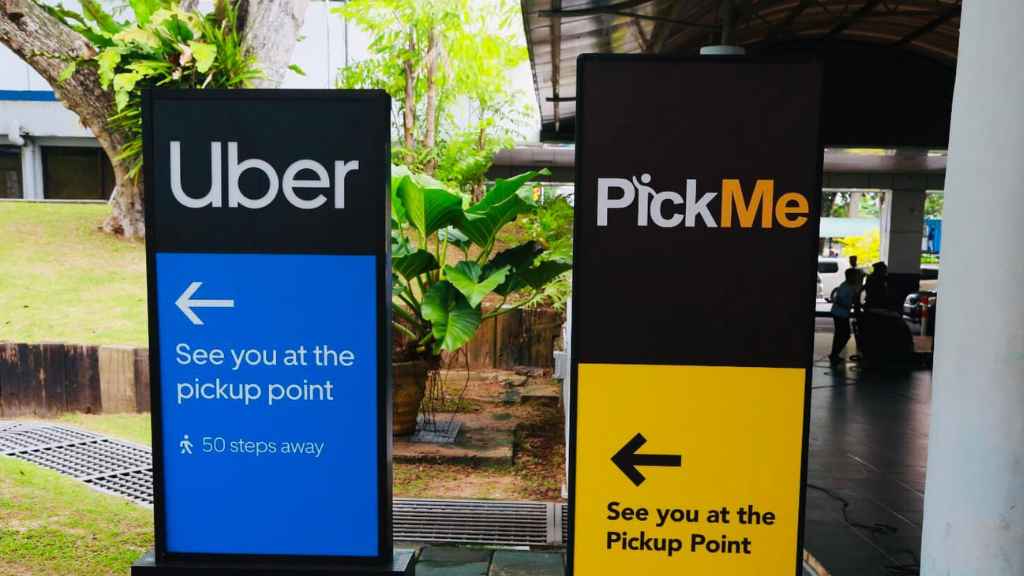
Uber and PickMe urge Govt. to allocate higher fuel quotas as Sri Lanka grapples with renewed fuel constraints, with the two ride-hailing platforms warning that existing allocations are insufficient to sustain essential transport and delivery services nationwide.
Uber and PickMe urge Govt. to allocate higher fuel quotas for drivers
In a joint statement, Uber and PickMe called on the Government to prioritise increased fuel access for their most active drivers and delivery partners, emphasising their critical role in maintaining day-to-day mobility and logistics across the country.
The companies acknowledged the Government’s recent decision to increase regular fuel quotas from 21 March, describing it as a positive step towards easing supply-side pressures. However, they stressed that the revised allocations remain inadequate given the scale of demand for ride-hailing and delivery services, particularly during periods of restricted fuel availability.
According to the platforms, drivers and couriers connected to their networks are instrumental in enabling access to essential services, including transport, food delivery, and last-mile logistics. As such, ensuring their operational continuity has broader implications for economic activity and public convenience. The companies noted that without enhanced quotas, service levels could decline, affecting millions of users who depend on these platforms daily.
The appeal comes at a time when Sri Lanka continues to manage fuel distribution through administrative controls, including a quota-based system. While these measures were initially introduced to address acute shortages, industry stakeholders argue that certain sectors—particularly those providing essential services—require more flexible and targeted allocations.
The joint statement highlighted that both platforms collectively facilitate millions of trips each week, supporting not only urban mobility but also critical delivery networks. With rising demand under constrained fuel conditions, the existing quotas limit the ability of drivers and couriers to meet customer needs effectively. This, in turn, risks creating bottlenecks in transportation and delivery services, particularly in densely populated urban areas.
The companies also underscored the economic dimension of the issue. Tens of thousands of Sri Lankans rely on ride-hailing and delivery platforms as their primary or supplementary source of income. Reduced operational capacity due to fuel constraints could therefore have a direct impact on livelihoods, especially at a time when many households are already facing financial pressures.
From a policy perspective, the request for higher allocations aligns with broader discussions around fuel quota Sri Lanka and the need for more efficient resource distribution. By prioritising sectors that enable shared mobility and consolidated delivery services, policymakers could potentially reduce the reliance on private vehicle usage, thereby improving overall fuel efficiency.
Uber and PickMe further indicated that they are prepared to support the efficient utilisation of fuel through data-driven mechanisms. By monitoring trip volumes, driver activity, and delivery demand, the platforms can help ensure that fuel allocations are directed towards the most productive and essential use cases. This approach, they argue, would maximise the impact of limited fuel supplies while minimising wastage.
In addition to their role in domestic mobility, the platforms highlighted their contribution to Sri Lanka’s tourism sector. Ride-hailing services are widely used by international visitors for convenient and reliable transportation, particularly in urban centres. Maintaining service continuity is therefore seen as important not only for residents but also for supporting the country’s tourism recovery.
The call for increased quotas also reflects the growing importance of the digital mobility ecosystem in Sri Lanka’s economic framework. As consumer behaviour shifts towards app-based services, platforms such as Uber and PickMe have become integral to everyday life, bridging gaps in traditional transport infrastructure and enabling more efficient movement of people and goods.
At the same time, the companies reiterated their support for Government efforts to manage fuel distribution under challenging global conditions. They emphasised that their request is intended to complement existing measures by ensuring that essential service providers are not disproportionately affected by blanket restrictions.
The issue also intersects with broader debates around ride hailing Sri Lanka and the role of platform-based services in national policy planning. As the sector continues to expand, there is increasing recognition of the need for regulatory frameworks that balance operational flexibility with equitable resource allocation.
Ultimately, the request by Uber and PickMe underscores a key challenge facing policymakers: how to allocate scarce resources in a manner that maximises economic utility while maintaining fairness. By advocating for targeted fuel access for high-impact sectors, the companies are positioning themselves as critical partners in sustaining mobility, supporting livelihoods, and ensuring continuity of essential services during periods of constraint.
As Sri Lanka navigates ongoing supply challenges, the outcome of such appeals could shape the future of fuel distribution policies and the operational landscape for digital mobility platforms in the country.