

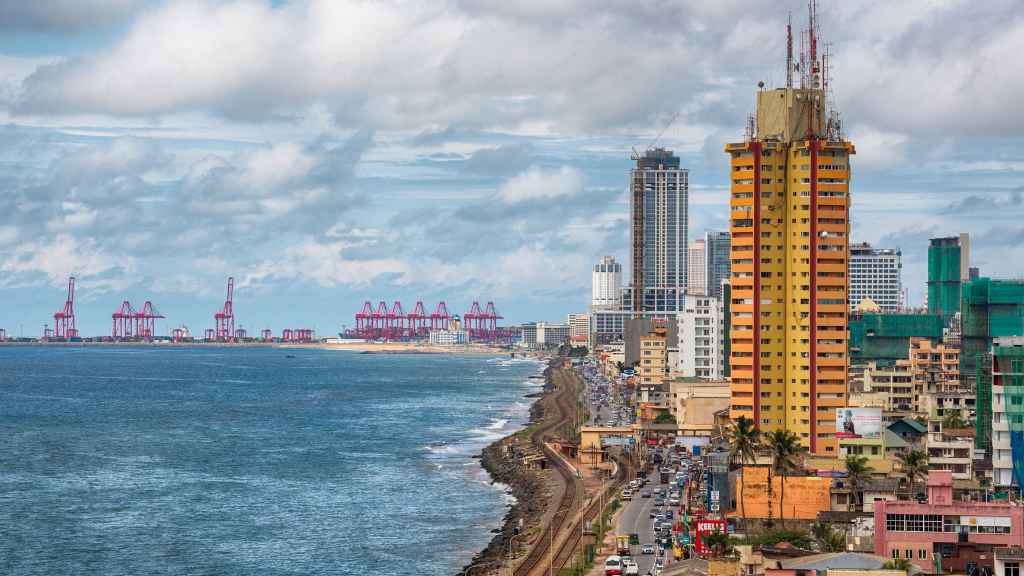
Port City, BOI eye Gulf-linked inflows as CoPF flags delays and policy gaps, as Sri Lankan authorities seek to capitalise on shifting regional dynamics while addressing structural bottlenecks in investment facilitation.
Port City, BOI eye Gulf-linked inflows as CoPF flags delays and policy gaps in approvals
Officials from the Colombo Port City Economic Commission and the Board of Investment of Sri Lanka told the Committee on Public Finance (CoPF) that ongoing geopolitical tensions in the Middle East could present a window of opportunity to attract foreign investment into Sri Lanka. The focus is particularly on businesses seeking alternative operational bases, including firms linked to the United Arab Emirates.
Initial outreach efforts are expected to target sectors such as business process outsourcing and disaster recovery operations, especially those connected to UAE-based companies. Authorities indicated that engagement would be conducted through the Ministry of Foreign Affairs and Sri Lanka’s diplomatic missions in Gulf countries, with the aim of positioning both Port City and the broader economy as viable investment destinations.
The Port City, BOI eye Gulf-linked inflows as CoPF flags delays and policy gaps strategy reflects an attempt to align Sri Lanka’s investment promotion efforts with evolving regional trends. However, members of CoPF raised concerns that delays in approvals and weak institutional coordination could undermine the country’s ability to seize these opportunities in a timely manner.
A key issue highlighted during the discussions was the absence of a formal coordination mechanism between the Port City Commission and the BOI. While officials acknowledged that interactions currently occur on a case-by-case basis, proposals have been put forward to establish regular engagement between the two agencies to improve efficiency and consistency.
Regulatory dependencies were also identified as a significant constraint. For instance, approvals for offshore banking operations require clearance from the Central Bank of Sri Lanka, while certain import-related approvals fall under other regulatory bodies. These multi-layered processes have contributed to delays that are often beyond the direct control of the Port City Commission or the BOI.
The Port City, BOI eye Gulf-linked inflows as CoPF flags delays and policy gaps discussions also pointed to administrative inefficiencies, including reliance on manual processes and repeated requests for documentation. Officials said steps are underway to introduce digitised workflows and single-window systems aimed at streamlining approvals and reducing turnaround times.
Policy clarity and institutional alignment emerged as additional areas of concern. CoPF members questioned the broader framework governing investment promotion, including the evolving role of the BOI under proposed reforms. They stressed the need for clearer coordination among agencies to ensure a coherent and investor-friendly policy environment.
Another issue under review is the interim provision that allows Port City-authorised businesses to operate outside the designated zone. This provision is set to expire on May 27, although Cabinet approval has already been obtained for a two-year extension, pending the necessary legislative amendments. Officials indicated that this extension would provide continuity for businesses while longer-term regulatory frameworks are finalised.
Differences in incentive structures between Port City projects and those operating under BOI frameworks were also discussed. Committee members noted that variations in tax concessions and investment thresholds could create distortions in the investment landscape, potentially affecting competitiveness and investor decision-making.
From a compliance perspective, the Port City Commission confirmed that it has issued directives to certain developers to halt promotional activities until they obtain the required approvals as authorised entities. Officials warned that further action would be taken if non-compliance continues.
Encouragingly, authorities reported progress in clearing a backlog of investment proposals. Around 70 previously pending applications were approved following amendments to the Colombo Port City Economic Commission Act in January 2026, signaling improved administrative responsiveness.
On the fiscal side, it was disclosed that government investment in utility infrastructure up to the Port City boundary is estimated at approximately Rs. 10.5 billion, including around Rs. 7 billion allocated for water supply. Returns to the state are expected to be generated primarily through land-related revenues as outlined in the governing legislation.
The Port City, BOI eye Gulf-linked inflows as CoPF flags delays and policy gaps narrative underscores the importance of addressing systemic challenges to fully leverage emerging investment opportunities. As global businesses reassess their geographic footprints amid geopolitical uncertainties, Sri Lanka has a potential opening to position itself as an alternative hub.
However, realising this potential will depend on the country’s ability to streamline approval processes, enhance institutional coordination, and ensure policy consistency. CoPF members emphasised that timely reforms are essential to strengthen investor confidence and enable Sri Lanka to compete effectively in attracting foreign direct investment.