

Sri Lanka, China agree for joint initiatives on tourism under BRI as both countries move to deepen collaboration in tourism development, education, and cultural exchange to support long-term industry growth.
Sri Lanka, China agree for joint initiatives on tourism under BRI to boost sector
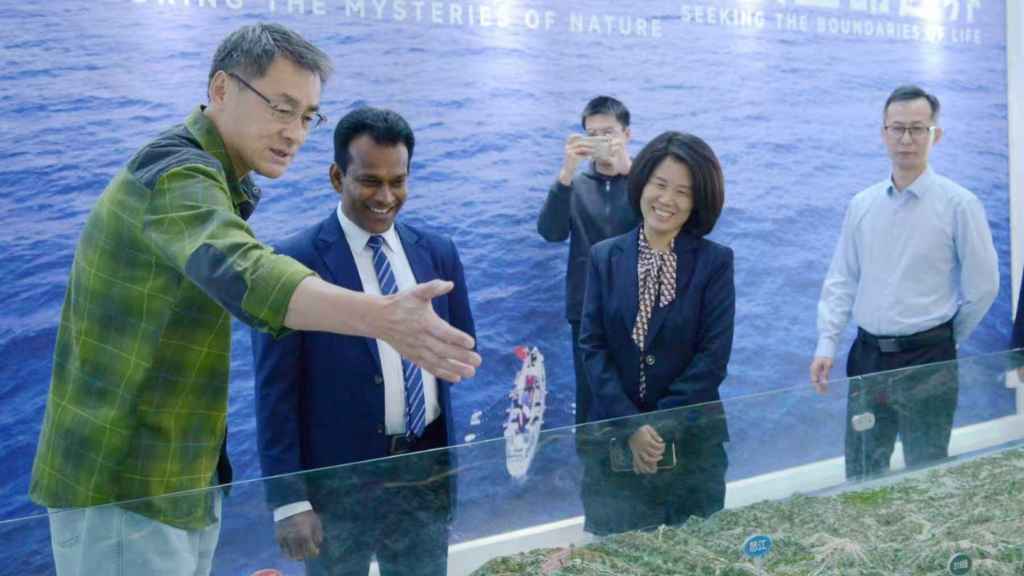
Sri Lanka, China agree for joint initiatives on tourism under BRI following high-level discussions aimed at strengthening bilateral cooperation in tourism, talent development, and research. The agreement was reached during an official visit by Deputy Minister Ruwan Ranasinghe to Sichuan Tourism College, where both sides outlined a framework for future collaboration.
The visit concluded with a cooperation symposium that produced preliminary consensus on several initiatives designed to expand tourism-related capabilities. These include the establishment of a Chinese Sichuan Cuisine Academy, the creation of a China–Sri Lanka Joint Research Center for Mountain Tourism, and the launch of a Cultural Tourism Cooperation Platform to promote shared heritage and experiences.
Further initiatives involve the development of an Innovation Service Research Center for Hospitality and the expansion of Sri Lankan student enrollment through academic exchange programmes. These measures are expected to enhance tourism workforce skills while fostering deeper institutional ties between the two countries.
Sri Lanka, China agree for joint initiatives on tourism under BRI at a time when the island nation is prioritizing tourism as a key driver of economic recovery. Officials highlighted the importance of integrating education, research, and industry collaboration to build a more resilient and competitive tourism sector.
During discussions, both sides emphasized strengthening vocational training and knowledge sharing. Ranasinghe, who has academic ties to Sichuan University, underscored the complementary strengths of Sri Lanka and China in tourism resources. He pointed to opportunities in culinary tourism, hospitality services, and eco-tourism as areas with strong growth potential.
He also stressed the role of culture as a central pillar of tourism development, noting that policy coordination, infrastructure connectivity, and digital innovation under the Belt and Road Initiative can convert cultural links into sustainable economic outcomes. These efforts align with broader objectives of enhancing cross-border tourism flows and improving service standards.
Sri Lanka’s partnership with China in tourism has expanded significantly in recent years, becoming a cornerstone of the country’s post-crisis recovery strategy. Authorities are increasingly focusing on diversifying source markets and attracting higher-spending visitors to stabilize foreign exchange earnings.
As of 2026, China has emerged as one of Sri Lanka’s leading tourist source markets. The Sri Lanka Tourism Development Authority has set a target of attracting around 300,000 Chinese visitors annually, reflecting expectations of sustained growth in outbound travel from China.
The momentum for deeper cooperation was reinforced during the state visit of Anura Kumara Dissanayake to Beijing in early 2025, where both countries signed agreements to improve aviation connectivity and facilitate smoother travel flows. These measures are expected to support increased tourist arrivals and strengthen economic linkages.
In addition to infrastructure and policy alignment, both countries are also focusing on digital integration. Initiatives such as the introduction of Weixin Pay are aimed at improving transaction efficiency for Chinese visitors while supporting local businesses, particularly small-scale vendors who benefit from seamless payment systems.
Media collaboration is another key component of the partnership. Joint content production between Sri Lanka Rupavahini Corporation and China Media Group is expected to promote Sri Lanka’s tourism offerings to a broader Chinese audience, leveraging digital platforms to enhance visibility.
Sri Lanka is also positioning major development projects such as the Colombo Port City within its tourism strategy, targeting high-value travelers seeking integrated urban, leisure, and wellness experiences. By aligning with initiatives like the International Tourism Alliance of Silk Road Cities, the country aims to strengthen its presence within regional tourism networks linked to the BRI.
Despite the growing importance of China as a source market, India continues to account for the largest share of tourist arrivals to Sri Lanka. However, policymakers see diversification as essential to mitigating risks associated with overdependence on a single region.
Overall, Sri Lanka, China agree for joint initiatives on tourism under BRI signals a strategic push to leverage bilateral cooperation for sustainable tourism growth. By combining infrastructure development, educational exchange, and cultural promotion, both countries are seeking to build a more dynamic and resilient tourism ecosystem that can contribute meaningfully to economic recovery and long-term development.